Nalasopara Tea Vendor Sparks Outrage After Washing Kettles in Street Rainwater
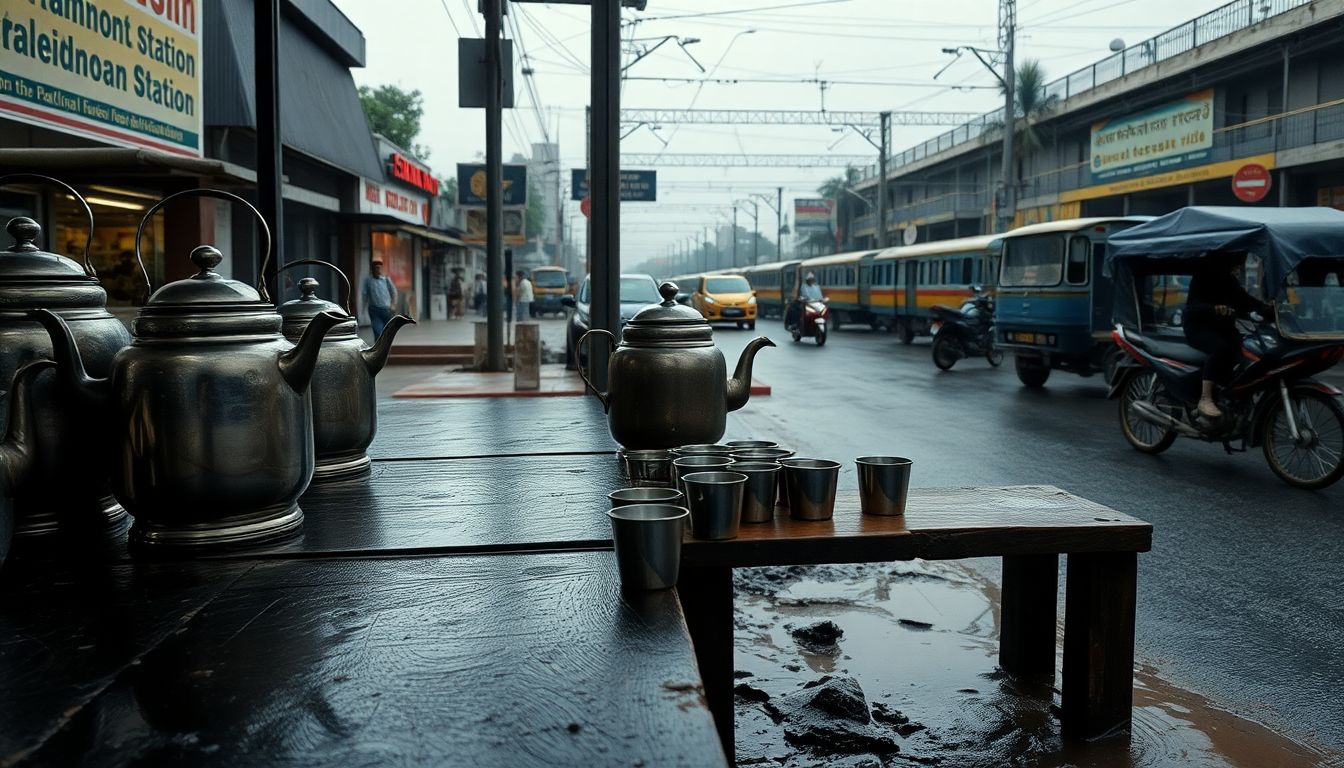
A local tea vendor operating just outside the Nalasopara East railway station, directly opposite platform number 4, has sparked widespread public outrage after a video emerged on July 11, 2026, showing him washing his tea kettles in dirty, foul-smelling rainwater accumulated on the street. The footage, which was recorded by a passing citizen on a mobile phone, has raised serious public health and food safety concerns among local residents and daily commuters in the busy station area near Mumbai.
The video captures the vendor using muddy rainwater pooled on the road to clean his large metal tea kettles. The footage quickly went viral, triggering widespread anger online from citizens who expressed disgust over the unhygienic practice.
Nalasopara serves as one of the busiest railway stations in the region, used by thousands of daily commuters who travel to Mumbai for work. Many of these passengers regularly buy morning and evening tea from street stalls and vendors operating around the station premises.
Locals pointed out that using contaminated water during the monsoon significantly increases the risk of waterborne diseases. The incident has raised fears of illnesses such as cholera, typhoid, and gastroenteritis among the thousands of commuters who frequent the station area daily.
Following the spread of the viral video, residents and commuters have raised serious concerns regarding the lack of hygiene monitoring for street food stalls. There is now a growing demand from the public for immediate intervention from authorities.
Citizens are actively urging the Railway Administration and the Food and Drug Administration (FDA) to take strict action against the vendor shown in the video. Furthermore, they are demanding regular, stringent hygiene inspections of all food and beverage stalls operating near the Nalasopara railway station premises to ensure consumer safety.