Navi Mumbai Approves Rs 527 Crore Smart Traffic Surveillance Project
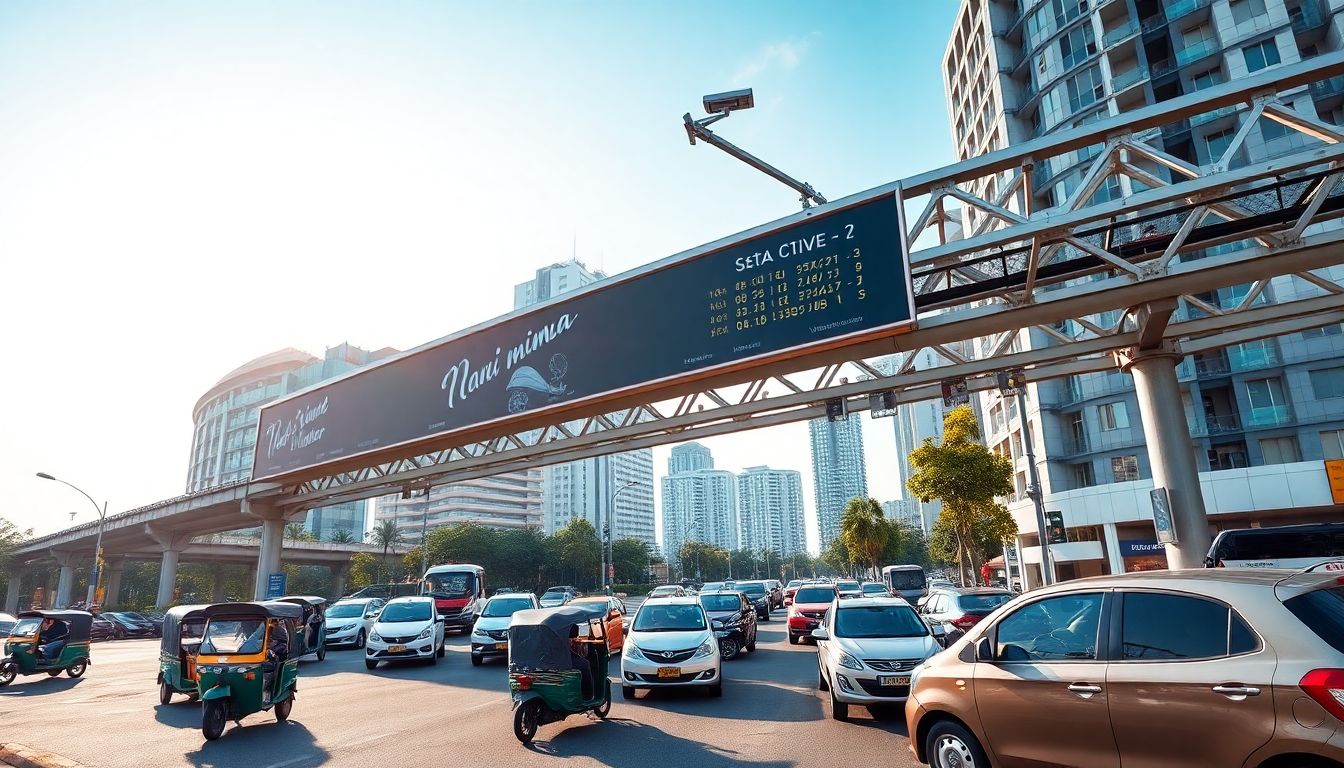
The Navi Mumbai Municipal Corporation (NMMC) has approved a Rs 527 crore project to install CCTV-based smart surveillance systems and digital civic display boards at 68 key junctions across Navi Mumbai. The initiative, executed under a Public-Private Partnership (PPP) model, aims to strengthen traffic management and improve commuter communication over a 20-year concession period.
Under the approved financial model, the project will require zero capital investment from the civic body. Instead, the private concessionaire will bear the entire cost of installation, operation, maintenance, repairs, electricity charges, and upkeep of the system. This setup ensures that the project does not impose any additional financial burden on the municipal corporation.
The project is expected to generate a steady revenue stream for the NMMC, starting with Rs 2.82 crore in the first year. Over the 20-year concession period, the cumulative earnings for the civic body are projected to reach Rs 93.14 crore.
Each of the 68 identified junctions will be equipped with two high-resolution CCTV cameras and a digital display screen. These screens will provide motorists with live traffic updates, enabling them to avoid congestion by taking alternate routes.
In addition to live traffic updates, the digital screens will be used to broadcast emergency alerts, traffic advisories, public awareness messages, and important civic announcements issued by the municipal corporation.
To fund the project, the private concessionaire will be permitted to display advertisements on the digital screens, which will serve as the primary source of revenue for the contractor.
An NMMC official stated that the project will significantly enhance traffic monitoring and management while providing citizens with real-time traffic information and important public messages. The official added that by implementing the project under the PPP model, the corporation will modernise its traffic infrastructure without capital expenditure while generating a steady revenue stream over the concession period.