Navi Mumbai Records 23 Malaria and 194 Suspected Dengue Cases Up to August 20
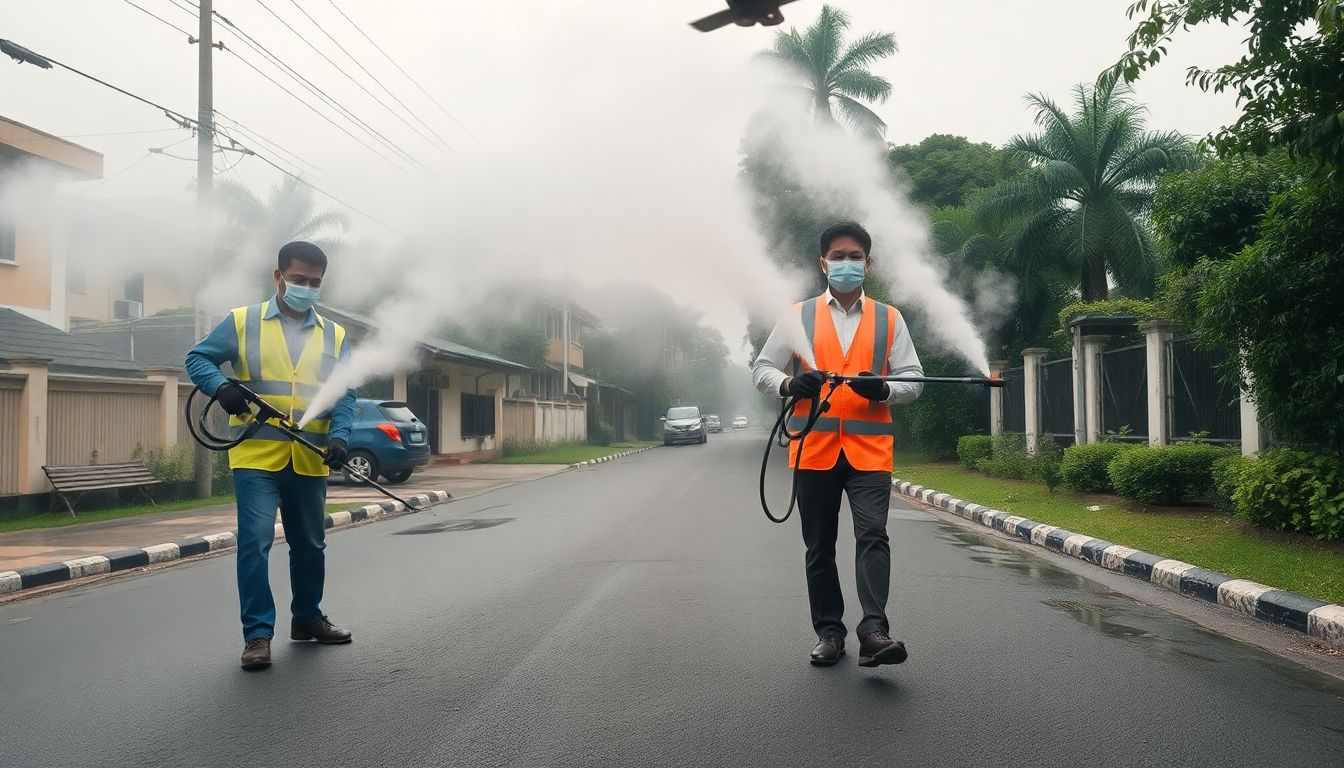
Navi Mumbai recorded 23 malaria cases and 194 suspected dengue cases between January 1 and August 20 this year, marking a decline compared to the corresponding period last year, according to data released by the Navi Mumbai Municipal Corporation (NMMC).
During the same period in 2025, the civic body had registered 32 malaria cases and 669 suspected dengue cases. Civic health officials noted that despite a seasonal rise in vector-borne infections during the monsoon months, overall numbers have remained lower this year.
According to NMMC records, 1,19,883 blood smears were collected between January and August 20, compared with 1,21,834 during the same period in 2025. Of the suspected dengue cases recorded this year, 82 samples were forwarded to the laboratory for confirmation, resulting in one confirmed positive case. In comparison, 138 samples were sent for confirmation in 2025, of which three tested positive.
Month-wise records show that malaria cases in 2026 stood at one in January, two in February, zero in March, four in April, one in May, two in June, 10 in July, and three up to August 20. In 2025, malaria cases were three in January, one in February, one in March, one in April, two in May, nine in June, 12 in July, and three up to August 20.
Suspected dengue cases this year were recorded at 16 in January, 12 in February, 15 in March, 10 in April, 14 in May, 12 in June, 69 in July, and 46 up to August 20. Out of these, 11 samples were sent for testing in July and 32 up to August 20, with none returning positive. In 2025, suspected dengue cases reached 199 in July and 308 up to August 20.
NMMC officials clarified that a positive NS1 test result should not be treated as confirmed dengue. Suspected samples are sent to the National Institute of Virology (NIV) in Pune, and only cases confirmed by the institute are officially counted as dengue.
Civic officials explained that NS1 is an antigen test indicating a viral infection rather than conclusive proof of dengue. They highlighted that distinguishing between suspected and laboratory-confirmed cases is necessary to accurately assess the disease situation in the city.