NCB Seizes ₹2 Crore Worth of CBCS and Tramadol in Bhiwandi Network Bust
The Narcotics Control Bureau's Mumbai zonal unit has dismantled an inter-state prescription drug trafficking network operating out of Bhiwandi in Thane district, arresting an alleged peddler and seizing Codeine-based cough syrup and Tramadol tablets valued at ₹2 crore.
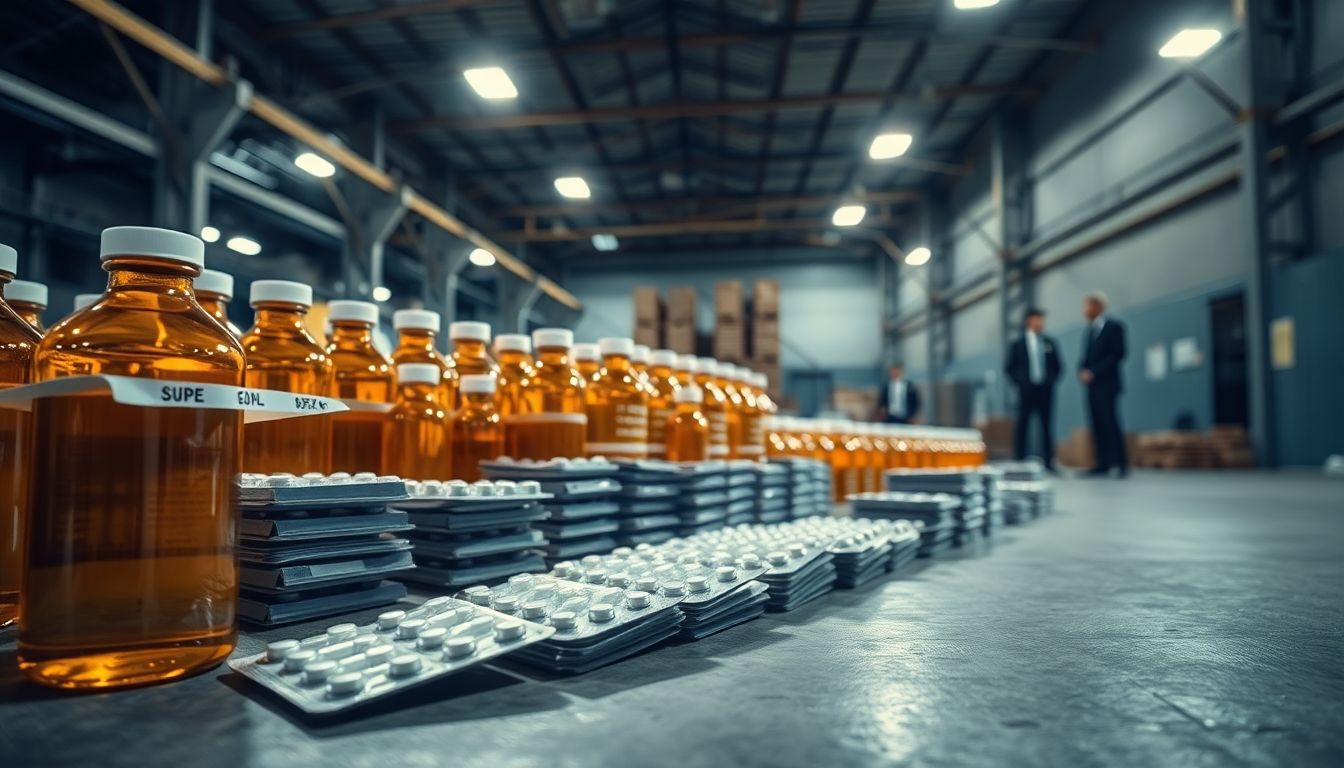
The operation commenced on Saturday when NCB officers intercepted a suspect identified as 'NS' and recovered 1,080 bottles of Codeine-based cough syrup (CBCS). During questioning, the accused disclosed that the consignment had been transported from Gujarat on a passenger train to be distributed across retail outlets in Bhiwandi, Mumbai, and adjoining localities.
Acting on information provided by the arrested peddler, an NCB team raided a godown belonging to an alleged CBCS distributor located in Vadodara, Gujarat. During the search, officers seized an additional 13,398 bottles of CBCS along with 12,240 Tramadol tablets, taking the total estimated value of the seized drugs to ₹2 crore.
According to NCB officials, the batch numbers on several seized CBCS bottles from the Vadodara facility had been tampered with. Invoices recovered from the site were found to be fake, suggesting an organized attempt to mask the illegal diversion of the pharmaceuticals into the illicit market.
Investigators established that 'NS', who operated primarily out of Bhiwandi, had a prior record and was previously arrested by Maharashtra police under the Narcotic Drugs and Psychotropic Substances (NDPS) Act. The Vadodara distributor from whose facility the bulk consignment was recovered was also a wanted accused in an NDPS case.
NCB officials noted that CBCS and Tramadol are strictly prescription-based opioid medicines. Non-prescription usage or overdosing on these substances affects the central nervous system and can cause shallow breathing, rapid heart rate, severe respiratory problems, and irreversible damage to the liver and kidneys, potentially leading to fatal consequences.