NITI Aayog proposes school clusters to address resource shortages in Maharashtra
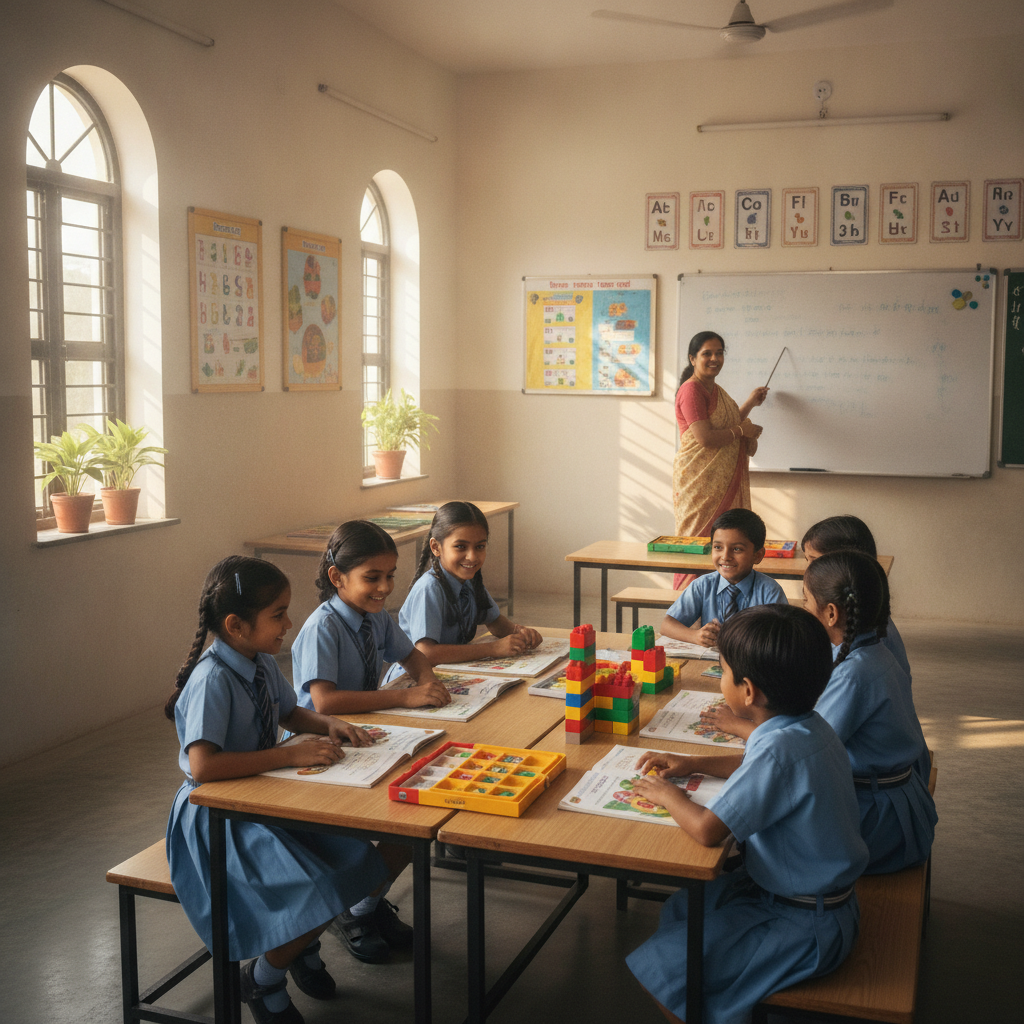
On Wednesday, the government policy body NITI Aayog recommended the creation of "school clusters" in Maharashtra to address resource shortages and improve learning quality, particularly targeting the state's estimated 14,500 schools that have fewer than 10 students each. The proposal aims to tackle high dropout rates after primary school, teacher shortages, and inadequate infrastructure by allowing nearby schools to share teachers, libraries, laboratories, and sports facilities.
According to the newly published NITI Aayog report, India has approximately 1.47 million schools and more than 246.9 million students. While primary education access has expanded, a significant number of children, especially in rural areas of Maharashtra, leave school before completing their higher secondary education due to a decrease in the number of available schools at higher levels.
The report also highlighted critical challenges in learning quality. Although student learning levels have improved since the Covid-19 pandemic, many students continue to struggle with understanding concepts. Teacher shortages, a lack of professional training, and limited access to mentoring in rural areas compound these difficulties.
Furthermore, many smaller and remote schools in the state lack basic infrastructure, such as functional libraries, laboratories, digital learning tools, and resources for children with special needs. Under the proposed school cluster model, students from these smaller institutions would gain access to shared facilities and better-trained teachers.
While education experts support the recommendation as a way to optimize government resources, the proposal has raised concerns among local parents and teachers. Parents worry that merging schools or sharing resources across clusters could force children to travel longer distances to attend classes. Teachers' groups have also urged caution, stating that any structural changes must ensure children do not lose easy access to education.
The recommendation comes after the Maharashtra government introduced its own cluster school policy in 2023, which was subsequently put on hold following opposition from various stakeholders.
The NITI Aayog report also noted a shift in school enrollment trends across India. The share of enrollment in government schools declined from 54.3% in 2014-15 to 49.25% in 2024-25. Meanwhile, private unaided schools saw their enrollment share increase from 31.7% to 38.8% over the same period, while government-aided schools account for about one-tenth of total enrollment.