NMMC targets mosquito breeding at 270 Navi Mumbai construction sites
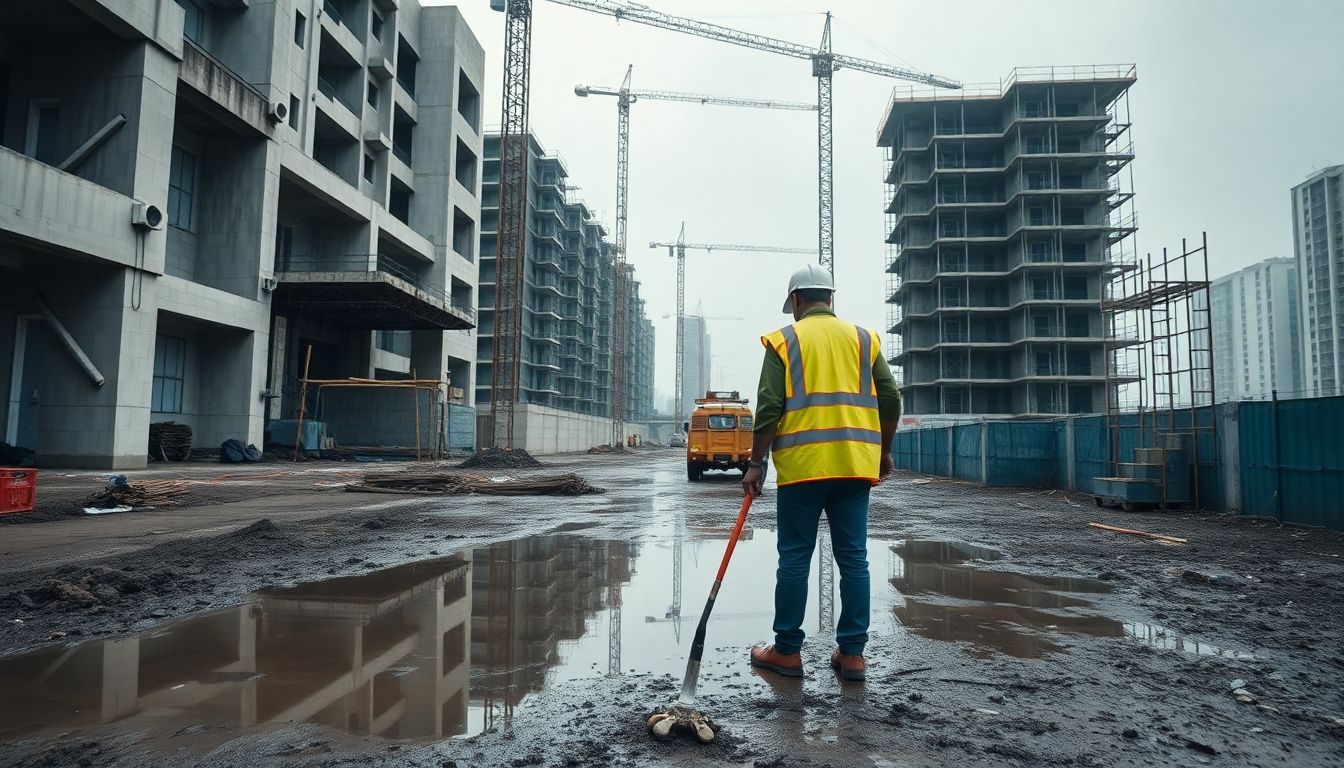
The Navi Mumbai Municipal Corporation (NMMC) has intensified its anti-mosquito campaign across 270 construction sites in Navi Mumbai over the past three months. The civic body's Health Department launched the targeted drive during the monsoon season to prevent the spread of dengue and malaria in areas where stagnant water often becomes a breeding ground for disease-carrying mosquitoes.
The campaign is being executed under the jurisdiction of the city's 26 Urban Primary Health Centres. These health centres mapped out the active construction sites, which currently employ approximately 14,390 workers.
According to NMMC data, the scale of these sites varies. Out of the mapped locations, 152 sites employ up to 50 workers, 45 sites have between 51 and 100 workers, and 40 sites employ more than 100 workers. The remaining 33 sites have only completed excavation work and have not yet begun active construction.
To protect the large workforce, the NMMC Health Department has been conducting weekly anti-larval treatments and regular health camps. Over the past three months, health workers sprayed anti-larval powder inside the residential shelters of 3,560 construction workers.
Additionally, the civic body introduced biological control measures by releasing guppy fish into stagnant water bodies at 265 construction sites. Granular larvicide treatments were also administered to eliminate mosquito larvae.
Health supervisors and officers are conducting regular follow-up inspections after each treatment to ensure the measures remain effective.
A senior NMMC Health Department officer stated that the anti-larval treatments are conducted on a fixed weekly schedule. The officer urged builders and local residents to cooperate by eliminating stagnant water and maintaining cleanliness.
Municipal Commissioner Dr. Kailas Shinde and Mayor Sujata Suraj Patil also issued appeals to citizens to support the health drive. They urged residents to keep their surroundings clean, remove stagnant water and discarded materials from terraces and open spaces, and eliminate potential breeding spots.