Padel Expands Across Mumbai With New Courts in Powai and Lower Parel
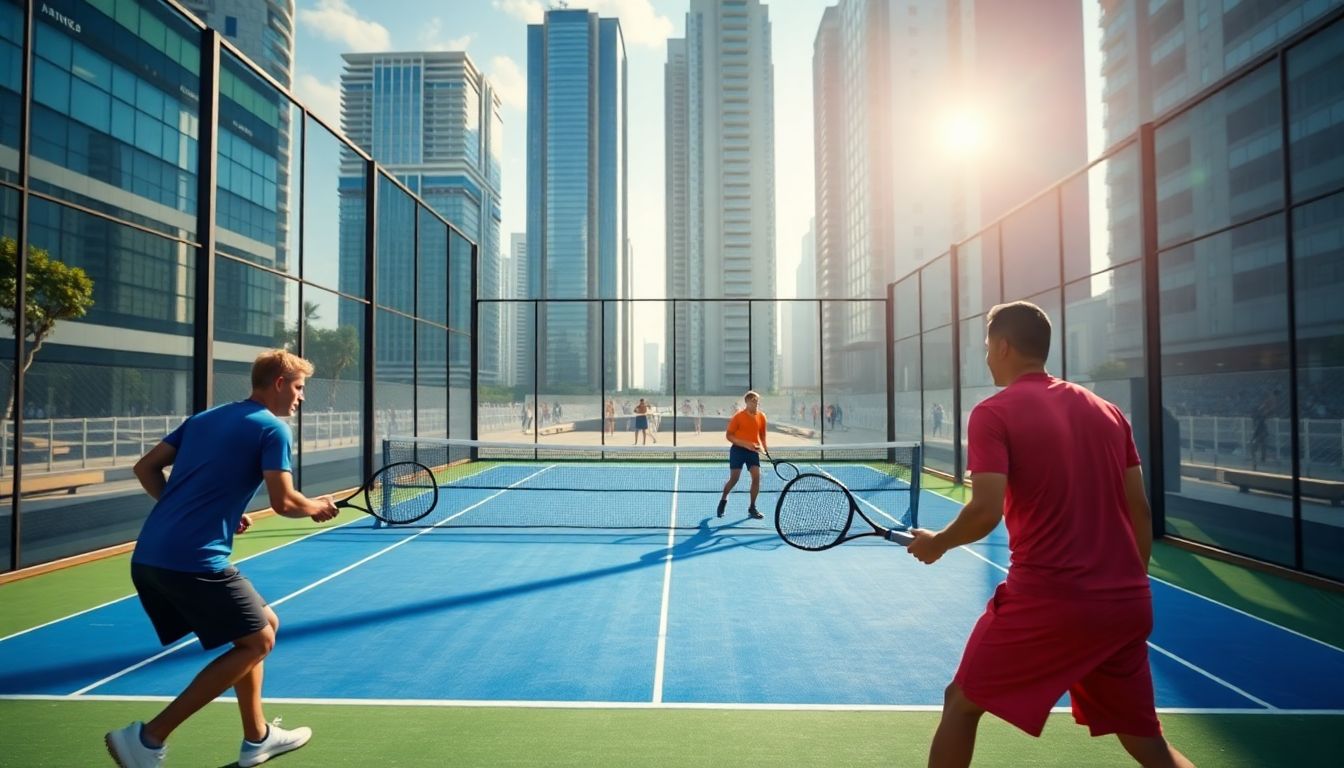
Padel is witnessing rapid growth across Mumbai as shrinking open spaces push residents toward compact sports, with facilities expanding into key commercial hubs including the Hiranandani Business Park in Powai. The city currently hosts 150 padel courts across 40 venues, contributing to a national footprint of 400 to 500 courts.
A hybrid of tennis and squash played on enclosed, smaller courts, the racquet sport has gained traction among young professionals and fitness enthusiasts. The sport functions both indoors and outdoors, enabling operators to establish venues in dense urban environments, such as Lower Parel's Phoenix Palladium, which has become India's largest integrated rooftop racquet sport hub.
Ronak Daftary, co-founder of Padel Park, noted that the sport has evolved into a regular routine for urban professionals, serving as an alternative to traditional social outings on weekday evenings. According to Daftary, the distinct structure of the court serves as the primary attraction driving player engagement.
However, the expansion has drawn scrutiny from urban planning experts who point out the economic barriers associated with the trend. Prerna Yadav from the Urban Design Research Institute stated that accessibility remains critical amid Mumbai's ongoing land constraints. Yadav noted that the concentration of facilities in commercial and upper-income areas highlights the growing privatisation of recreational spaces, leaving those who depend on free public playgrounds with fewer options.
Industry representatives acknowledge the financial hurdles facing broader adoption. Ujwal Deole, co-founder and chief operating officer of the sports booking platform KheloMore, stated that building a padel court requires an investment close to Rs 20 lakh. Deole emphasised that lowering court costs and encouraging adoption in schools will be vital for bringing padel into mainstream sports culture.