Panel Urges Maharashtra Govt to Set Up Dedicated Tribal Health System
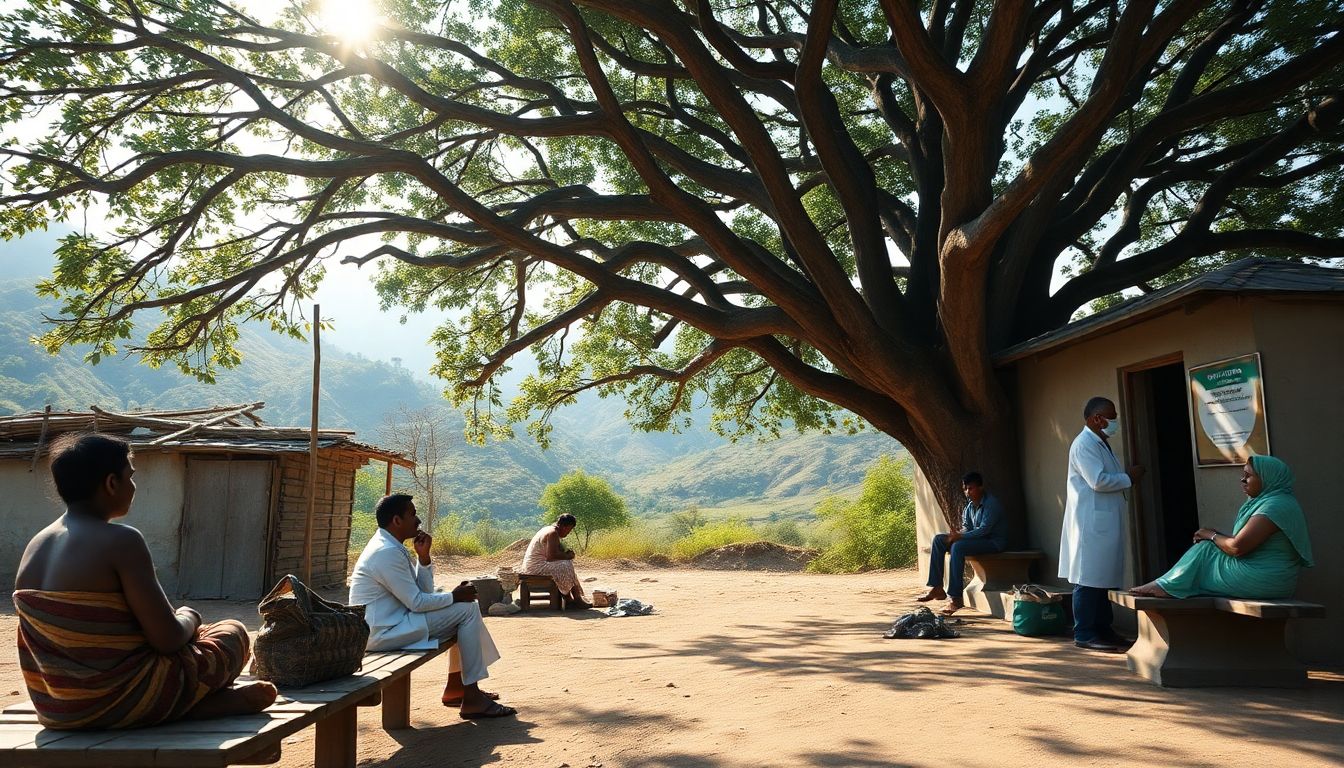
A state-level committee has recommended that the Maharashtra government create a separate tribal health system to address severe gaps in emergency care, nutrition, and healthcare delivery across remote tribal areas.
The recommendations were submitted to the state health department in the 'State Committee Report on Strengthening Tribal Health in Maharashtra'. In response, the health department constituted an implementation committee headed by Nandurbar district collector Dr Mittali Sethi, who also led the panel that drafted the report.
According to the 2011 Census, Maharashtra is home to 10.5 million tribal people, representing 9.35% of the state's population. The report highlighted that remote tribal communities remain particularly vulnerable due to difficult terrain, poor connectivity, staff shortages, weak follow-up mechanisms, and socio-cultural barriers. Key indicators such as infant and under-five mortality show that essential health services are not reaching these populations.
The report revealed that 58% of tribal children in the state are not fully immunised, calling for improved frontline tracking and digital monitoring systems. Anaemia was identified as a critical issue among women and children, linked to inadequate iron and folate intake, recurrent infections, and haemoglobin disorders. The panel recommended addressing anaemia through a wider nutrition strategy alongside point-of-care haemoglobin testing for earlier diagnosis.
To tackle poor follow-up for high-risk pregnancies and children, the committee proposed the creation of Health Action Centres. Citing National Family Health Survey (NFHS-5) data showing worse perinatal outcomes in tribal-dominant districts, the report noted that while pregnancies are registered, high-risk cases frequently lack consistent follow-up and completed referrals.
The panel also urged a substantial boost in funding, recommending that 12% to 15% of the Tribal Sub-Plan (TSP) be earmarked for health, translating to ₹1,100 crore to ₹1,500 crore annually. In 2018-19, the health department received only 3% of the ₹255 crore TSP allocation.
Additional recommendations include improving staff accommodation with modular or 3D-printed housing to retain doctors, developing all-weather roads and footbridges, expanding mobile networks, and establishing a Tribal Disaggregated Public Health Dataset to track health metrics down to the village and pada levels.