Panvel Records 286 Infectious Disease Cases in First Week of July
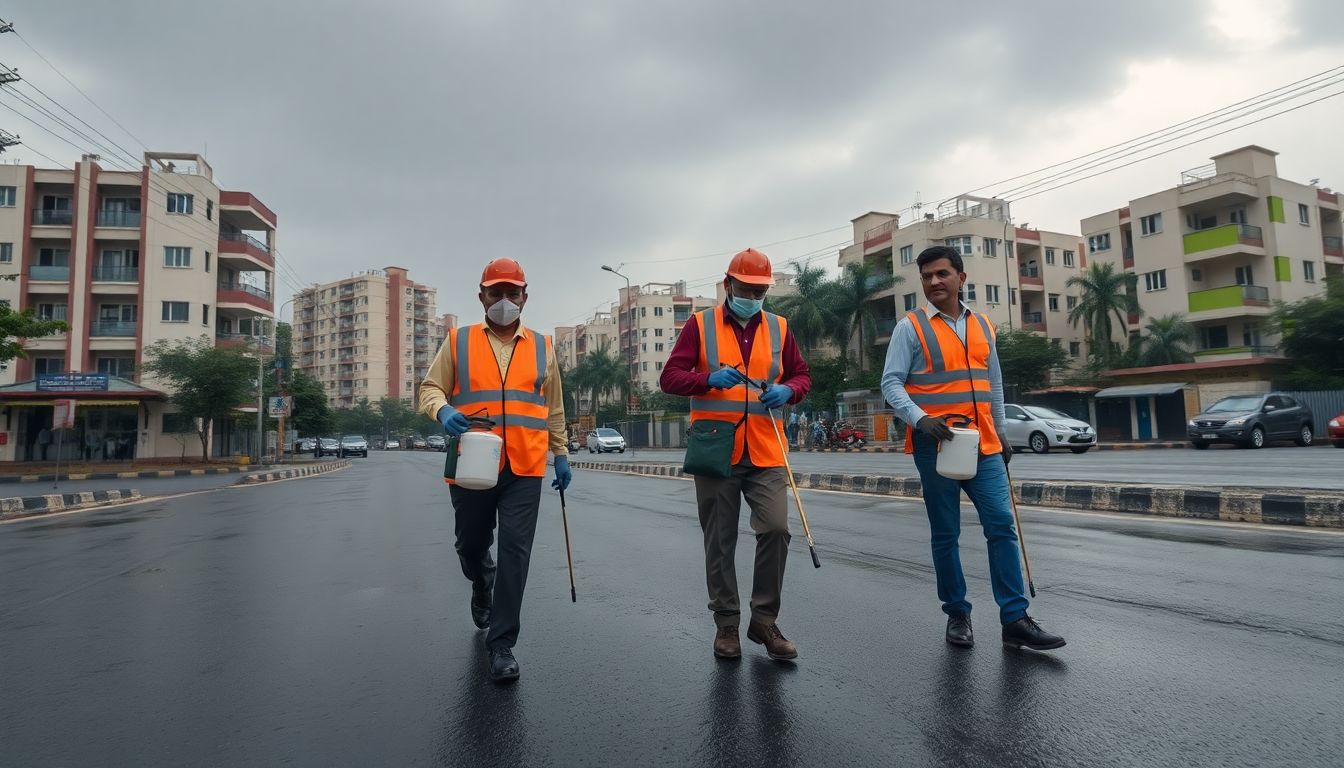
The Panvel Municipal Corporation (PMC) area in Navi Mumbai recorded 286 cases of infectious diseases during the first week of July 2026, following heavy rainfall and humid weather. The surge, which includes cases of dengue, malaria, and diarrhoea, has prompted the civic health department to intensify surveillance and preventive measures across the region.
According to data from the PMC health department, vector-borne diseases have shown a notable rise. In the first week of July 2026, health officials confirmed nine malaria cases from 1,873 blood samples tested. This follows a total of 43 malaria cases detected in June from 12,664 blood samples.
Dengue infections have also shown an upward trend. While 16 dengue cases were detected from 486 samples in June, the first week of July 2026 saw 12 cases confirmed from just 94 samples, indicating an increase in the infection rate.
Water-borne illnesses remain a major concern for local authorities. The PMC recorded 265 fresh cases of diarrhoea during the first week of July 2026, following 543 cases reported in June. Health officials noted an increase in complaints regarding muddy and contaminated water supply in several parts of the city. Stagnant water left behind by the rains has also created breeding conditions for mosquitoes.
Dr. Anand Gosavi, Chief Medical Officer of the Panvel Municipal Corporation, stated that weather changes after the rains frequently lead to an increase in mosquito-borne and water-borne diseases. He advised citizens to drink boiled or purified water, consume fresh food, keep their surroundings clean, and seek immediate medical attention if they experience symptoms like fever or diarrhoea.
To control the spread, the PMC has stepped up active and passive surveillance of fever patients, conducted focal surveys, and eliminated mosquito breeding sites. The civic body is also executing anti-larval spraying, releasing guppy and gambusia fish in water bodies, and conducting regular fogging in affected localities. Inspections are being carried out at construction sites, schools, slum pockets, and industrial areas, with notices being issued to builders and housing societies.