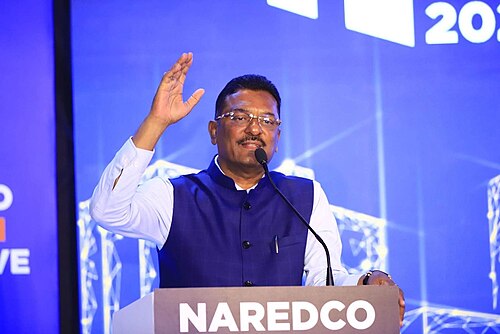
Pratap Sarnaik Directs MSRTC to Prioritise Conductorless Buses on Thane Routes
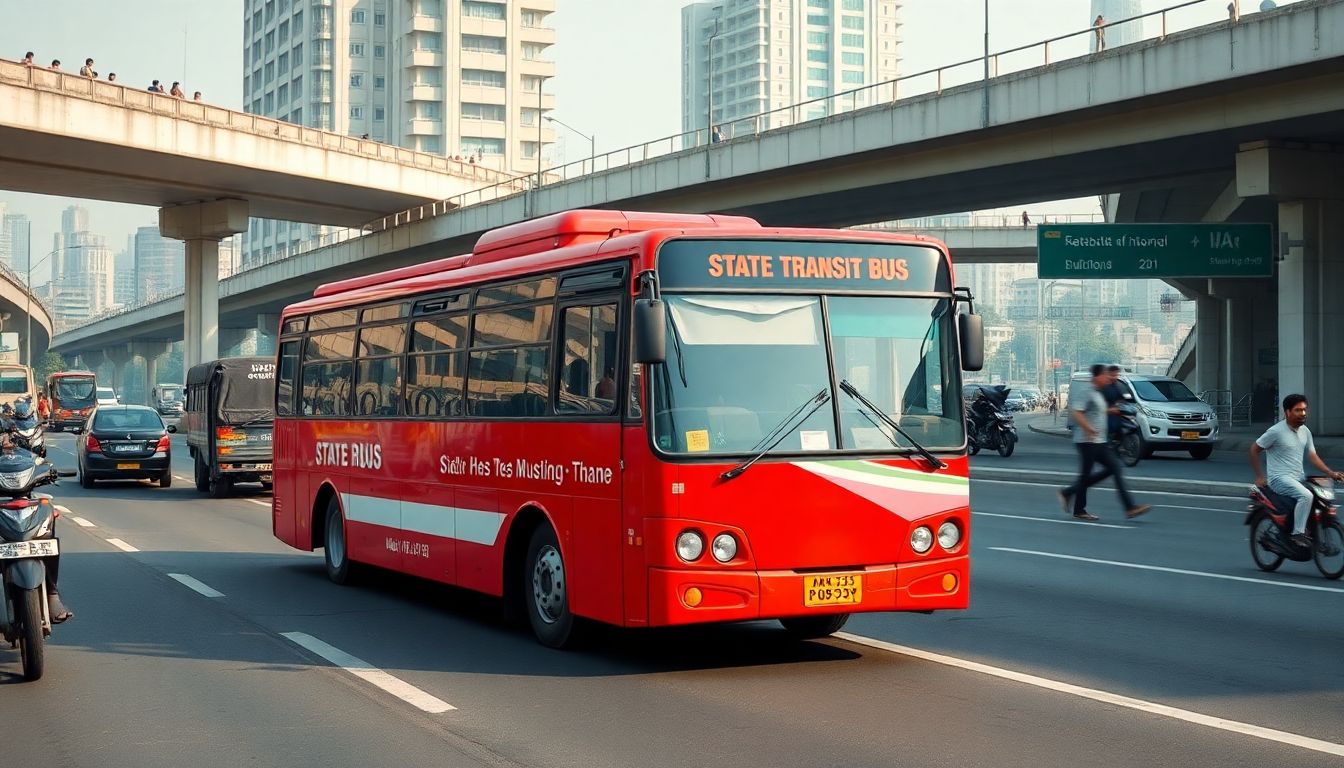
Transport Minister Pratap Sarnaik has directed the Maharashtra State Road Transport Corporation (MSRTC) to prioritise conductorless bus services on viable routes, including the Mumbai-Thane corridor, in a bid to curb manpower expenses and enhance the undertaking's financial health.
The directive comes as MSRTC explores strategies to increase overall revenue, reduce avoidable operational expenditure, and optimise the use of its existing resources across the state transport network.
The conductorless system is already being tested on shorter transit routes, such as Mumbai-Thane and Mumbai-Pune. On these routes, the deployment of smart cards, QR codes, and digital ticketing systems has enabled operations without requiring an onboard conductor, demonstrating potential manpower savings for the corporation on selected services.
However, extending this setup to long-distance services presents practical challenges that transport officials must address. On extended journeys, conductors play a critical role during vehicular breakdowns and emergencies by coordinating passenger movement, helping commuters transfer to replacement buses, and assisting with luggage and other travel requirements.
The lack of an onboard conductor could also pose difficulties for vulnerable commuters, including senior citizens and persons with disabilities who often require personal assistance during transit. In the event of an emergency or a technical fault in an isolated location, the driver would be left to handle driving responsibilities alongside passenger assistance, creating notable operational challenges.
Sarnaik maintained that increasing bus fares should not be viewed as the primary solution to MSRTC's financial problems. Emphasising the undertaking's role as a vital public service, he stated that merely increasing ticket fares cannot improve MSRTC's financial condition, and that increasing revenue while reducing expenditure and providing better services is the sustainable way forward. He stressed that passenger needs must remain central to the corporation's future planning.
Any wider rollout of the conductorless model will depend on rigorous route selection, dependable digital ticketing infrastructure, and clear support protocols to ensure that cost-cutting measures do not compromise passenger safety and service quality.