Railway Board Orders Water Cooler Inspection Drive After E. Coli Found at CSMT, Kalyan
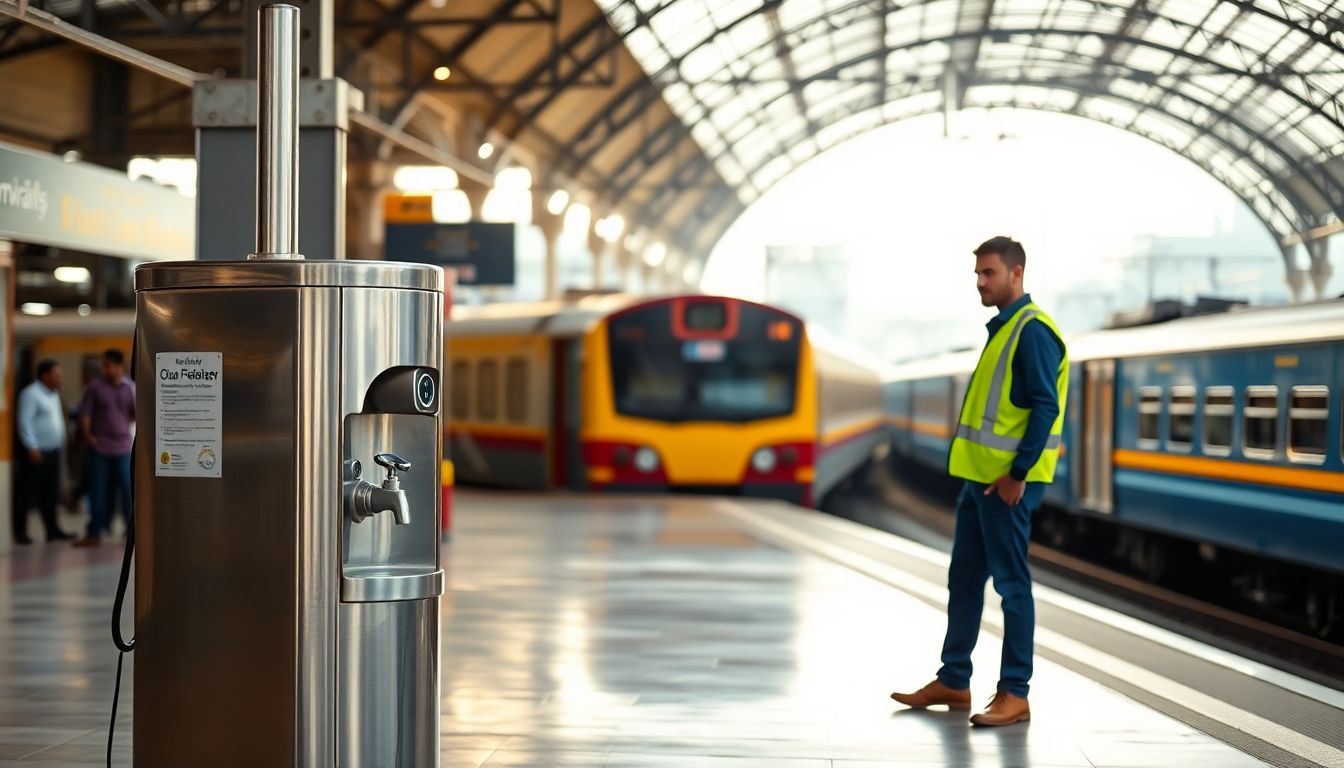
The Railway Board has ordered a 10-day special inspection drive to examine water coolers and UV-RO purification systems across the country after a Comptroller and Auditor General (CAG) audit detected E. coli bacteria in drinking water samples at stations including Chhatrapati Shivaji Maharaj Terminus, Kalyan, Bhiwandi Road, and Lonavala.
The findings, part of the CAG's Report on Passenger Amenities and Sanitation at Railway Stations, raised concerns over the quality of drinking water provided to passengers on Central Railway and other networks. The audit noted that prescribed periodic inspections and water-quality tests were not being consistently carried out at several stations.
Under the directives issued by the Railway Board, all zonal railways and production units must conduct comprehensive inspections of drinking-water equipment. Officials have been instructed to thoroughly clean water tanks and inspect them for rust, leakages, and other structural defects. Inspection teams will also check the condition of lids and gaskets to confirm that storage tanks remain properly sealed, and carry out immediate repairs on any leaking coolers, pipelines, or taps.
The inspection drive will also cover the operational status of UV and RO water purification systems. Zonal officials have been instructed to verify regular servicing, maintenance, and overhauling schedules, while ensuring that filtration units are replaced within prescribed timelines.
Railways has specifically mandated that defective, damaged, or unhygienic water coolers be taken out of service immediately. In cases where a cooler is found to be beyond repair or severely deteriorated, officials must arrange for its replacement with a new unit.
The cleanliness of surrounding areas near drinking-water points will also be inspected to ensure compliance with hygiene standards. Following the conclusion of the 10-day campaign, railways will resume regular inspections and maintenance schedules while maintaining logs of all checks and repairs.
Senior officials will oversee the implementation of the drive, and zonal railways are required to submit compliance reports to the Railway Board once the exercise is completed.