Rising Seas Threaten Millions In Mumbai With Permanent Inundation, UN Report Warns
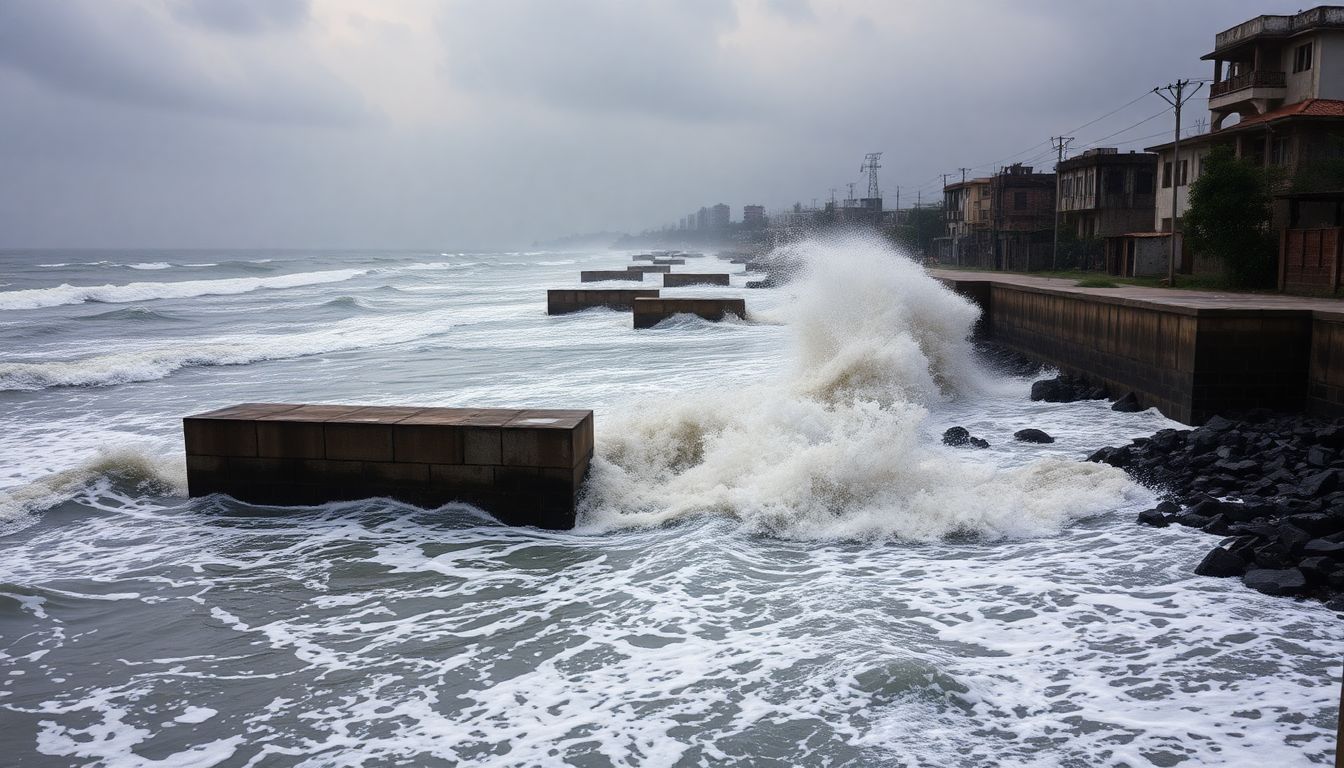
Millions of residents in Mumbai and Kolkata face an immediate risk of losing their homes to permanent inundation caused by accelerating sea level rise, according to a United Nations report released on Monday.
The report of the UN Secretary-General, titled 'Challenges related to sea level rise and ways and approaches to address it', stated that low-lying deltas across South Asia are experiencing severe threats of human displacement. Across cities including Mumbai, Kolkata, and Dhaka, more than 14 million people are at immediate risk of losing their homes.
While high-income coastal cities such as Miami, New York, and Guangzhou face primary risks related to coastal infrastructure assets worth trillions of dollars, the report highlighted that the defining impact in South Asian coastal hubs is the direct displacement of populations. The findings urge global indicators to weigh human lives and social vulnerabilities with the same urgency as financial loss.
The assessment noted that rising seas are already damaging urban infrastructure, transport systems, energy grids, buildings, water supplies, and groundwater resources. In coastal belts, the intrusion of saltwater into freshwater wells and soils compromises drinking water security and agricultural productivity. The report also warned of rising public health risks, including the spread of water-borne diseases, damaged sanitation systems, and increased mental health stress.
According to UN data, global sea levels rose by an average of 4.7 mm per year between 2014 and 2023. In 2024, sea levels rose by a record 5.9 mm due to intense ocean warming, with the rate expected to climb further through 2050. The annual rate of rise stood at 4.75 mm during the 2012–2025 period.
The report stressed that the combined impact of rising water and land subsidence demands urgent, long-term adaptation planning. It called for integrated policy frameworks linking river basins, coasts, and urban land-use planning, backed by accessible climate finance to protect vulnerable populations and local economies.