Sai Paranjpye Reflects on How Girangaon and Mumbai Chawls Shaped Her Cinema
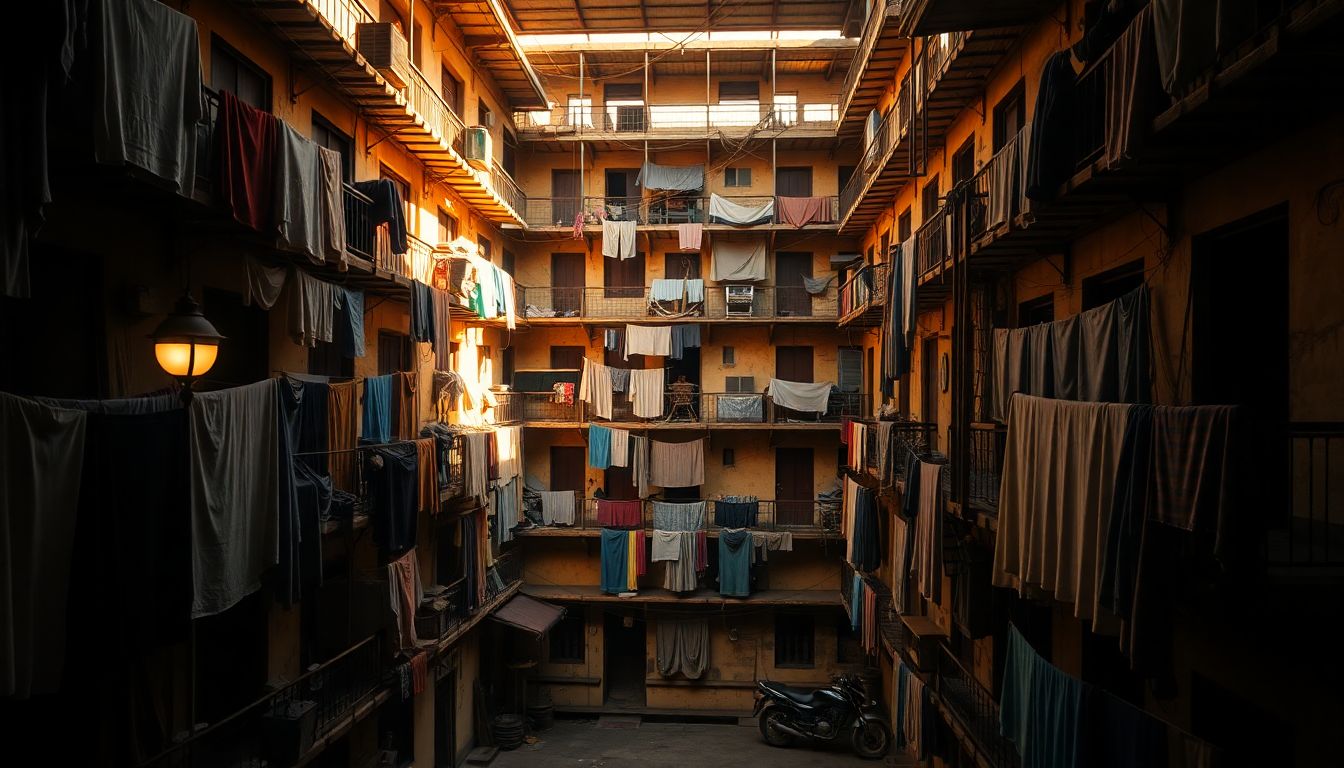
Veteran filmmaker Sai Paranjpye, 88, reflected on how the ordinary lives of Mumbai and the former mill district of Girangaon shaped her cinema, speaking as part of an ongoing series on the city's trailblazers. Highlighting neighbourhoods such as Parel, Chinchpokli, Curry Road, Delisle Road, and the BDD chawls, Paranjpye described how the shared spaces and working-class realities of the city formed the foundation of her films.
Paranjpye explained that her creative approach differed from mainstream Hindi cinema, which often depicted Mumbai through landmarks like Marine Drive, Nariman Point, luxury hotels, and nightclubs. Instead, she was drawn to the post-dusk lives of common residents—people returning home after disappointment, borrowing sugar from neighbours, writing money orders to villages, or sleeping in rooms shared with strangers.
Recalling her work on the movie 'Disha', Paranjpye noted that writing and filming the project over 17 years deeply affected her. The movie was filmed inside an actual gaala, a workers' dormitory where a single room held 30 to 40 migrant workers. Each worker occupied a narrow strip of space for a mat, or chatai, for eight hours before the next shift worker took over. Paranjpye recalled questioning a worker about the limited space and observing how workers negotiated individual loneliness and collective survival.
Before establishing herself in Mumbai, Paranjpye developed her creative sensibility through a radio career in Pune and early television production work in Delhi. However, she emphasized that Mumbai confronted her most directly with questions of human coexistence, which permanently altered her creative process and perspective on city life.
Reflecting on her filmography, Paranjpye also highlighted the distinct emotional experiences of her other major films, describing 'Sparsh' as emotionally intense, 'Chashme Buddoor' as a source of great joy, and 'Katha' as an exploration of irony and affection. She contrasted modern Mumbai's vertical structure with the horizontal intimacy and community solidarity of older mill-era chawls and neighbourhoods.