State Panel Proposes Calcination To Recycle Mumbai PoP Idol Waste
On Wednesday, the Maharashtra state government submitted an expert technical panel report to the Bombay High Court in Mumbai, recommending a pilot project and eco-friendly recycling methods to manage Plaster of Paris (PoP) idol waste. The report outlines concrete proposals for handling the massive volume of waste generated during festivals, while highlighting that certain chemical alternatives remain economically unviable.
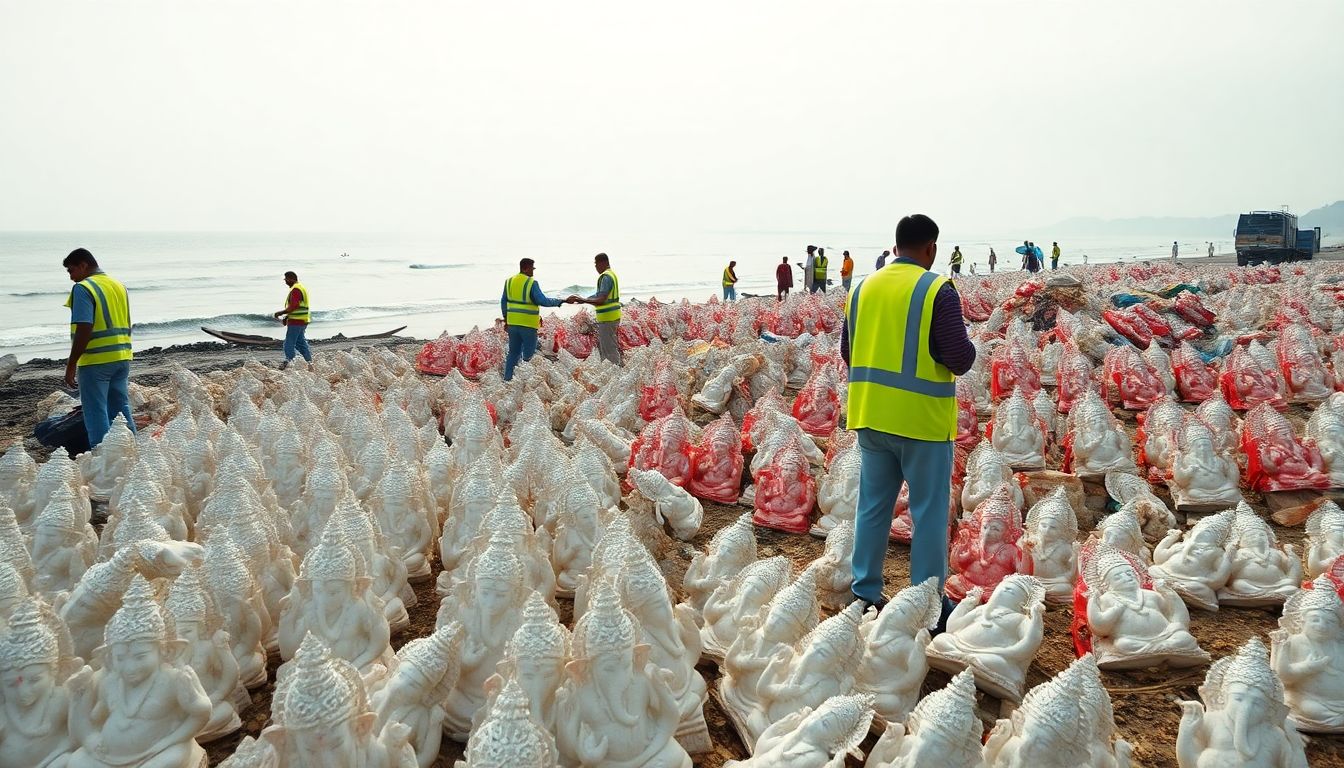
The initiative addresses a major environmental concern in the city. The Brihanmumbai Municipal Corporation (BMC) reported accumulating between 2,000 and 2,500 tonnes of PoP idol waste following the 2025 Ganesh festival.
To manage this waste, the expert committee recommended the creation of two separate artificial immersion ponds. Under this proposal, one pond would be dedicated to idols made of environmentally unfriendly materials, while a separate pond would be used for those made of traditional clay.
The panel's report noted that the biological disintegration of PoP is very slow and currently not technically feasible, meaning further research is required in this area. Instead, the committee suggested that thermal or chemical processes are the most viable options for disposal.
Among the recommended eco-friendly disposal methods is a thermal calcination process. This method involves dehydrating the used PoP waste at a temperature of 150°C to convert it back into fresh PoP. Once processed, the recycled material can be reused in various fields, including the manufacturing of new idols, plaster boards, bricks, or for medical plaster and ceramic items.
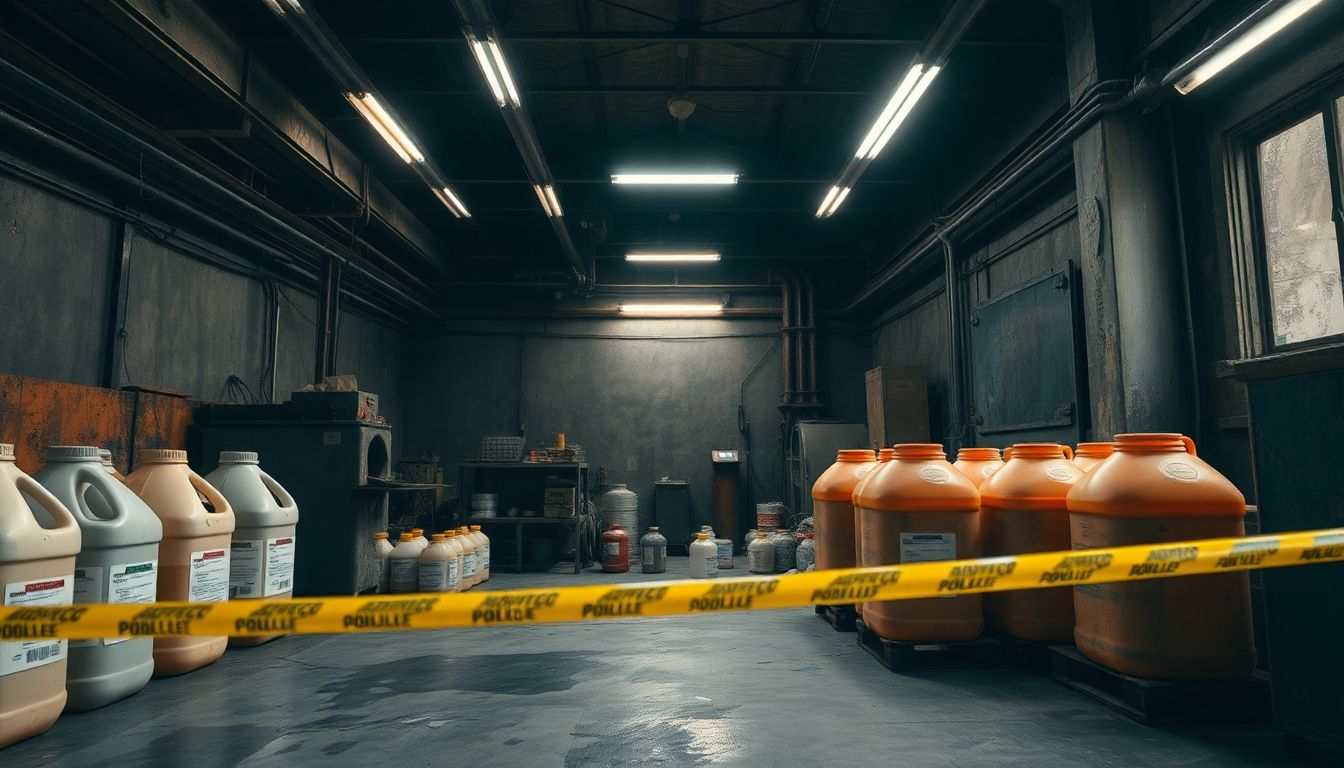
The report also evaluated a chemical process that uses ammonium bicarbonate to break down the PoP idols into ammonium sulphate and calcium carbonate. However, the panel raised significant concerns regarding this method's feasibility.
According to the committee, the chemical process requires an amount of ammonium bicarbonate equivalent to the weight of the idol itself, making it ten times more expensive than other options. Furthermore, the panel warned that the extensive use of these chemicals could lead to air and water pollution, meaning its economic and environmental viability needs further verification.
The Bombay High Court is scheduled to hear the matter finally after two weeks to consider the panel's recommendations and decide on the implementation of the pilot project.