Thane and Mumbai medical experts warn of rising costs as family doctor culture declines
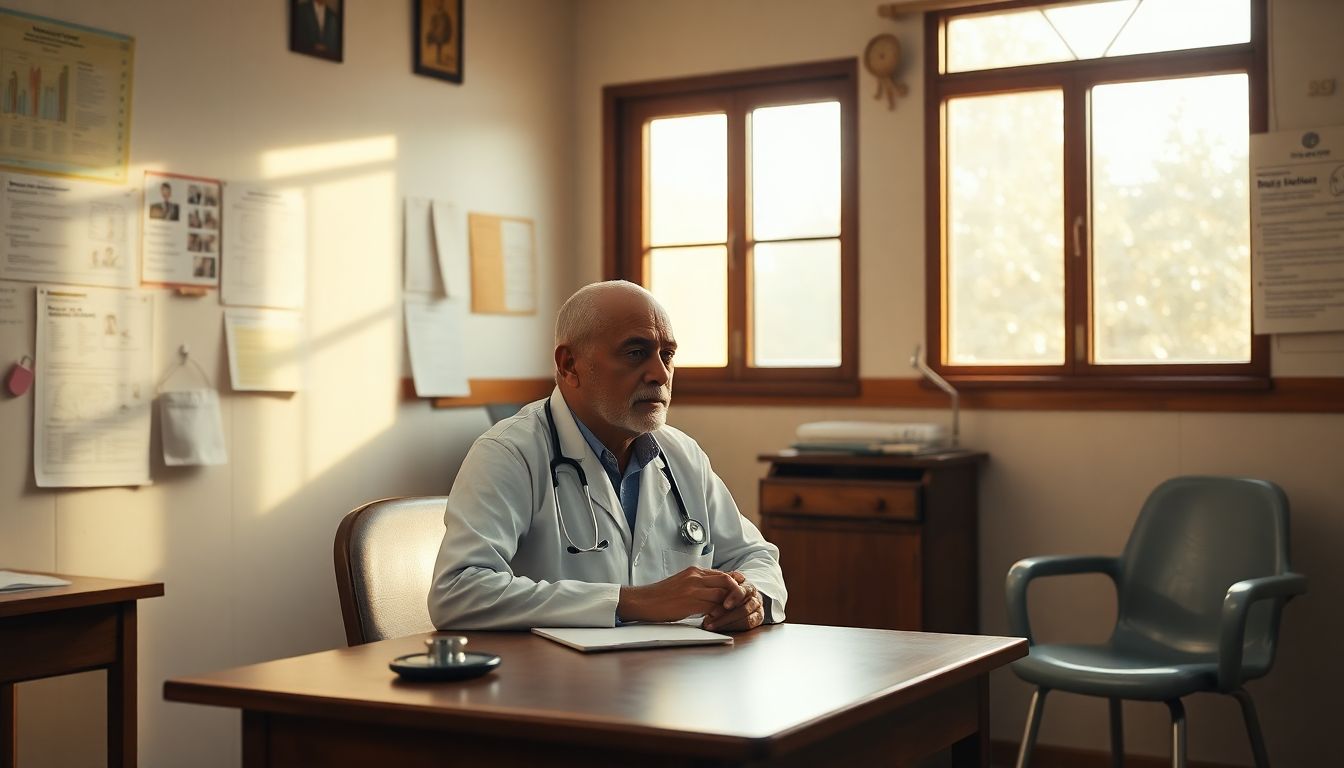
Medical experts in Thane and Mumbai have raised concerns over the decline of the traditional family doctor culture in urban areas, warning that patients bypassing general practitioners to consult specialists directly has led to fragmented care and rising healthcare costs. Speaking on the occasion of Doctors' Day, healthcare professionals, including Dr. Sundar Krishnan, Senior Consultant in Internal Medicine at KIMS Hospitals in Thane, emphasized that the shift away from primary care physicians is harming patient outcomes.
The shift has been particularly pronounced in cities like Mumbai and Thane, where patients increasingly seek treatment directly from specialists, corporate hospitals, and digital healthcare platforms. While this transition has improved access to advanced medical care, experts say it has also resulted in unnecessary medical investigations, a loss of continuity in treatment, and higher overall expenses for patients.
Dr. Samir Garde, Director of the Department of Pulmonology and Lung Transplant at Gleneagles Hospital in Parel, noted that the family doctor culture has weakened significantly in urban centers. He explained that without a trusted family physician, patients often consult multiple doctors, which leads to redundant tests and fragmented care, whereas a family doctor provides essential long-term understanding and preventive care.
Dr. Rajiv Kovil, a Diabetes and Obesity Specialist at Zandra Healthcare, supported this view, stating that family physicians offer deep understanding of a patient's medical history, lifestyle, and family background. This familiarity often results in earlier diagnoses and more rational treatment plans.
Offering an additional perspective, Dr. Rajshree Dayanand Katke, Professor and Unit Head at St. George's Hospital in Mumbai, remarked that the decline of primary care physicians is largely an urban phenomenon. She noted that while rural areas still rely heavily on family doctors as a first point of contact, urban patients have shifted preferences due to increased health awareness and the ready availability of specialists.
Highlighting the adaptation of primary care, Dr. Sundar Krishnan of KIMS Hospitals in Thane stated that family physicians have not disappeared but are instead adapting to a changing healthcare ecosystem. He noted that even with access to telemedicine and specialists, a trusted primary care physician remains essential to coordinate treatment across specialties and help patients avoid unnecessary investigations.
Medical experts attribute this changing healthcare landscape to the growth of health insurance, corporate hospitals, digital appointment platforms, and online health information. However, they agreed that technology should be used to strengthen the role of primary care physicians rather than replace them.