Three Sugar Mills in Solapur and Sangli Transition to 100% Bull-Free Supply Chains
Three major sugar processing plants, including Utopian Sugars Ltd. in Solapur and ND Patil Sugars Pvt. Ltd. in Sangli, have officially eliminated the use of bullock labour from their supply chains. The facilities have been awarded the "100% Bull-Free" certification by People for the Ethical Treatment of Animals (PETA) India, marking a significant shift toward mechanisation in Maharashtra's sugar belt.
Alongside the two Maharashtra facilities, Karnataka's Maragur-based Shri Bhimashankar Sahakari Sakkare Karkhane became the first cooperative sugar mill to achieve the certified status. These three processing plants join earlier certified pioneers, including Jai Hind Sugar Pvt. Ltd. and Lokmangal Mauli Mill Ltd., in completely phasing out draught animals.
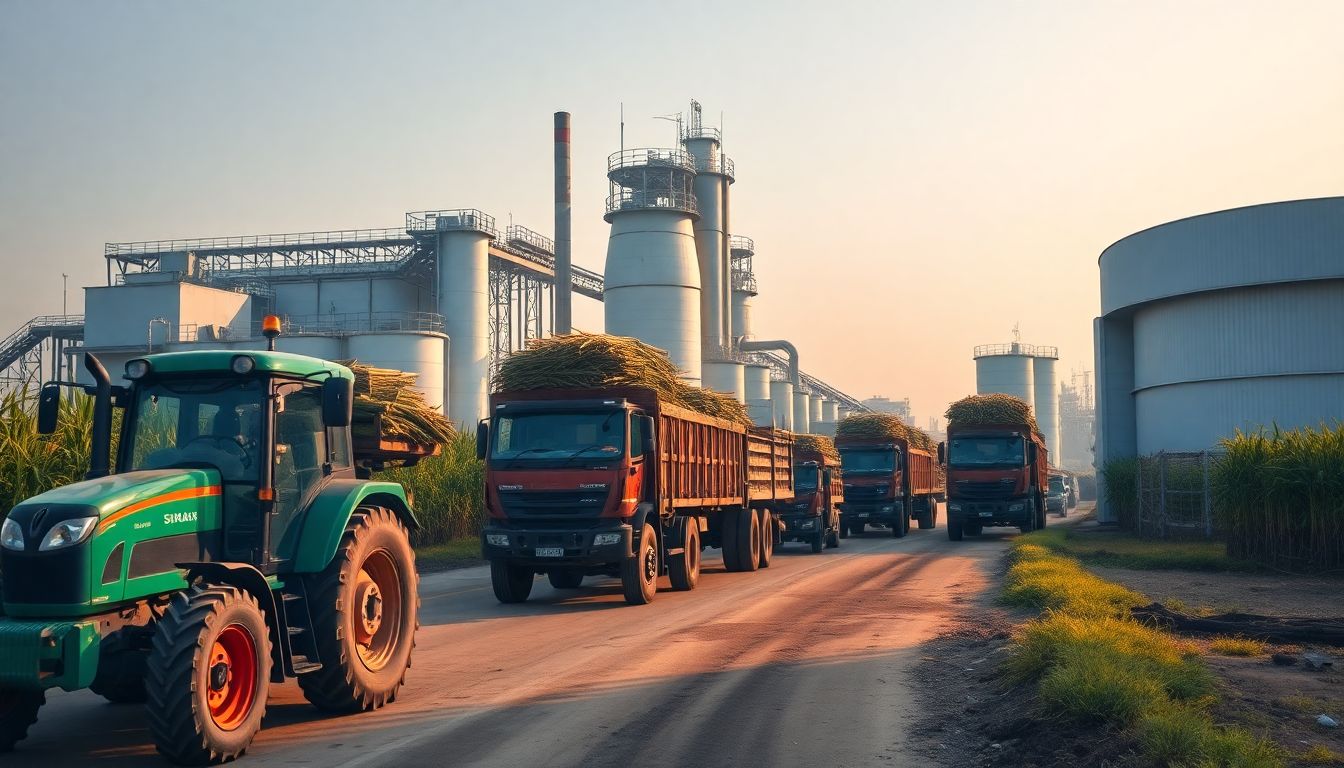
To achieve the certification, the mills aligned with the Sugarcane Industry Mechanisation Project, an initiative led by the Maharashtra-based NGO Animal Rahat. The project works directly with sugar processing facilities to replace animal-drawn transport with mechanised alternatives such as tractors and trucks, effectively retiring working bulls from heavy haulage duties.
According to PETA India, domestic and international sugar buyers are increasingly prioritising ethically sourced, animal-free, and fully mechanised supply chains. Each tractor introduced to the supply chain can transport up to 18 tons of sugarcane per trip, replacing multiple bulls while significantly improving haulage safety and transport efficiency.
Dr. Kiran Ahuja, senior manager of corporate projects at PETA India, stated that an ever-growing number of sugar mills are choosing mechanised transport to prove that compassionate and efficient practices can go hand in hand. Ahuja added that the bull-free certification helps commercial buyers easily identify sugar produced without bull labour.
For decades, the harvest season across Maharashtra involved harsh working conditions for both draught animals and migrant workers. Animal welfare organisations reported that bulls pulling heavy sugarcane carts routinely carried up to double the legal weight limit. Handlers often relied on painful devices, including sharp spikes, nail-studded tools, barbed wire, and restrictive nose ropes to control animals in severe heat.
The elimination of bullock carts also benefits migrant families who travel to the sugar belt during harvest season. Managing working animals previously subjected these families to round-the-clock manual labour, hazardous conditions, and economic instability. Transitioning to tractors allows working bulls to retire while enabling transport workers to save time and explore additional income-generating opportunities.