Two Mumbai JJ Blood Bank Officials Sacked After Illegal Blood Transfer
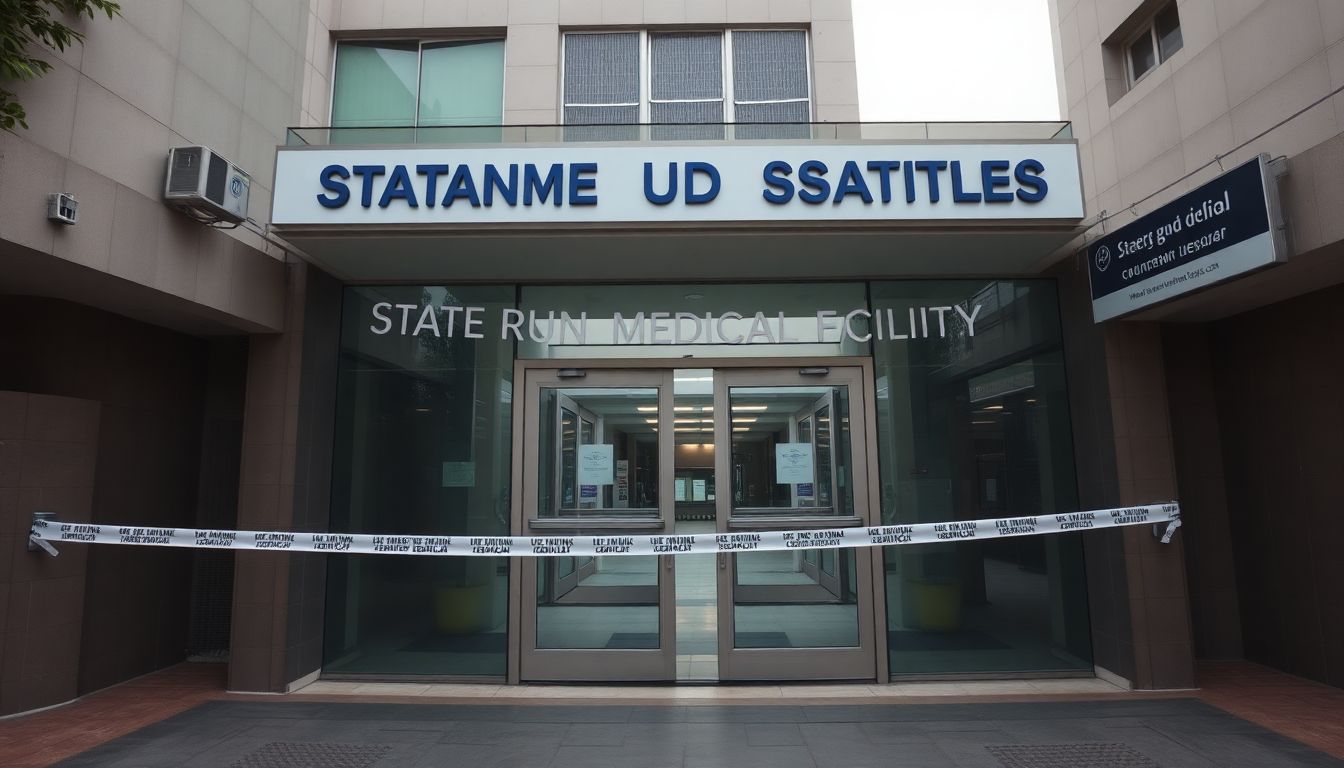
Two officials of Maharashtra's largest state-run blood bank, the JJ Mahanagar Blood Bank in Mumbai, have been sacked and face criminal charges after the facility was sealed on Friday. The action followed revelations that dozens of blood units collected during a donation camp in Chinchpokli were illegally transferred to a private facility in Badlapur. Minister of State for Health Meghana Bordikar announced the terminations and the registration of a First Information Report (FIR) in the legislative council on Monday.
The state Food and Drug Administration (FDA) took the step to seal the JJ Mahanagar Blood Bank on Friday after uncovering severe blood safety violations at the facility. This closure of the state's largest blood bank disrupted regular operations and exposed critical gaps in the safety protocols.
The issue came under sharp scrutiny in the legislative council on Monday following a calling attention motion moved by MLC Chitra Wagh. The motion highlighted serious irregularities in the handling and distribution of blood units at the state-run facility.
According to the motion, a blood donation camp was held in Chinchpokli, where 77 blood bags were collected. Out of these, approximately 50 to 55 units were allegedly transferred to a private blood bank in Badlapur without any authorization.
Minister Bordikar termed the unauthorized transfer "serious and illegal." An inquiry found the blood bank's nodal officer, Dr. Hitesh Pagare, and another official, Ajay Bhise, guilty of the irregularities.
"Their services are being terminated and an FIR is being registered," Bordikar told the house.
In addition to the immediate sackings and the filing of the FIR, the government is looking to implement systemic reforms to prevent future occurrences. These measures will include the establishment of new Standard Operating Procedures (SOPs) and the implementation of QR tracking to monitor the movement of blood units across the state.