Uddhav Faction Challenges ECI Order on Shiv Sena Symbol in Supreme Court
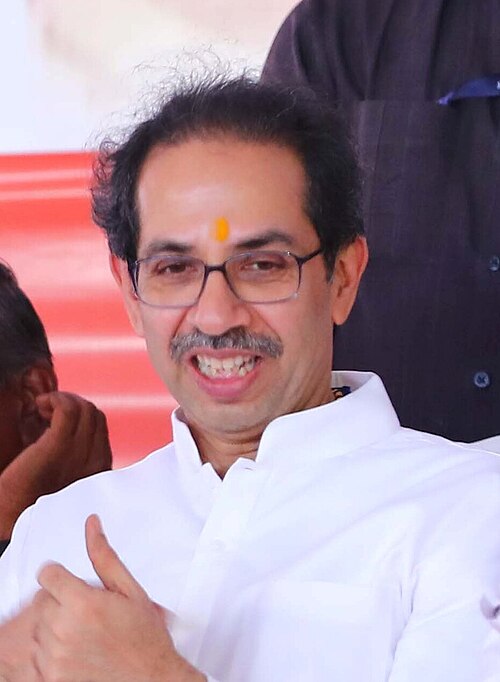
The Uddhav Thackeray-led Shiv Sena (UBT) told the Supreme Court on Tuesday, August 11, 2026, that a split in a legislative party cannot by itself amount to a split in a political party, arguing that the Election Commission of India's decision to recognise Maharashtra Deputy Chief Minister Eknath Shinde's faction as the real Shiv Sena was unlawful.
Appearing for the Shiv Sena (UBT) on the third day of final hearings, senior advocate Kapil Sibal presented arguments before a bench comprising Chief Justice Surya Kant and justices Joymalya Bagchi and V. Mohana. The court was hearing two pleas filed in 2024 challenging the poll panel's February 17, 2023 order that allotted the 'bow and arrow' symbol to Shinde's unit.
Sibal argued that the poll panel erred in assuming jurisdiction merely based on a split within the legislative wing. He stated that the Election Commission relied on communications concerning separate meetings, rival legislature party leaders, chief whips, and disqualification proceedings, which related essentially to the legislative wing rather than establishing a split in the original political party.
Referring to constitutional provisions under the former Tenth Schedule and past legal precedents, Sibal emphasised that a split in the original political party must be established separately from a separation of legislators within the legislature party. He asserted that the poll panel did what previous judicial rulings had expressly prohibited.
Sibal also challenged the Election Commission's decision to disregard the Shiv Sena's 2018 constitution on the grounds that it was undemocratic. He pointed out that members of the Shinde faction had themselves obtained positions and benefits under that same 2018 document prior to the dispute.
He further submitted that the poll panel holds no power under Section 29A of the Representation of the People Act, 1951, to adjudicate whether an established party's internal constitution is democratic. While Section 29A governs registration requirements, Sibal said it does not give the commission subsequent authority to invalidate a party constitution.
Invoking Article 19(1)(c) regarding the right to form associations, Sibal argued that a political party is a voluntary association entitled to function according to its own rules. During arguments, Justice Bagchi observed that the terms public order and morality under Article 19(4) were broad, raising questions of constitutional morality.
The Thackeray faction maintains that the poll panel wrongly allowed legislative strength to prevail over organisational support. The Supreme Court hearing is set to resume on Wednesday, August 12, 2026.