Video of Women Travelling on Exterior of Mumbai Local Train Sparks Concern
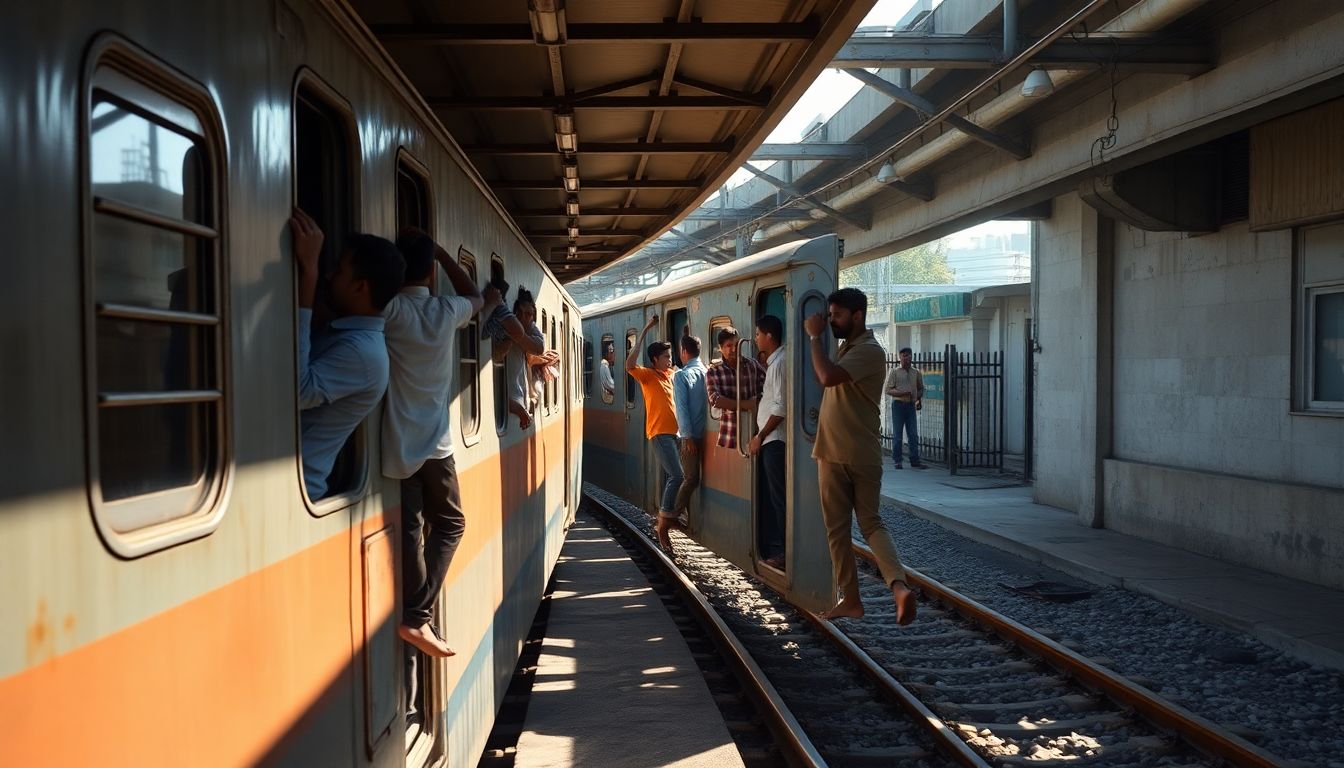
A video showing two women travelling on the exterior of a moving local train in Mumbai has sparked widespread safety concerns, highlighting the dangerous conditions faced by daily commuters on the city's suburban railway network.
The footage, shared on social media platform X by a user named Pallavi, captures the two passengers gripping the outside of a carriage as the train travels along the tracks, leaving their bodies completely exposed to oncoming traffic and trackside infrastructure.
In the recording, one woman dressed in a white floral top and teal-coloured trousers is seen clinging tightly to the side of the coach while carrying a backpack. Positioned slightly higher on the exterior, a second woman holds onto the carriage alongside her as the train remains in motion. The surrounding tracks and passing railway traffic underscored the severe risk of fatal falls or collisions.
The clip appeared to have been filmed along an open, green stretch of the suburban rail network, with vegetation visible beside the railway lines.
The circulation of the video prompted strong reactions online, with many users questioning why commuters are forced to take such extreme risks and directing attention to the persistent overcrowding across Mumbai's rail transit system. Commenters widely rejected attempts to frame such hazardous journeys as an example of the city's resilience.
Several social media users argued that romanticising such dangerous situations under the label of the "Spirit of Mumbai" ignores the helplessness and daily struggle of office-goers. Commenters noted that surviving under such life-threatening conditions reflects a severe compromise on commuters' quality of life and basic transit safety.
The incident has renewed discussions on passenger safety and the urgent need for improvements across Mumbai's local railway network, which carries millions of commuters daily as the city's primary transit lifeline.