Weevils successfully clear invasive weed from Vadale Lake in Panvel
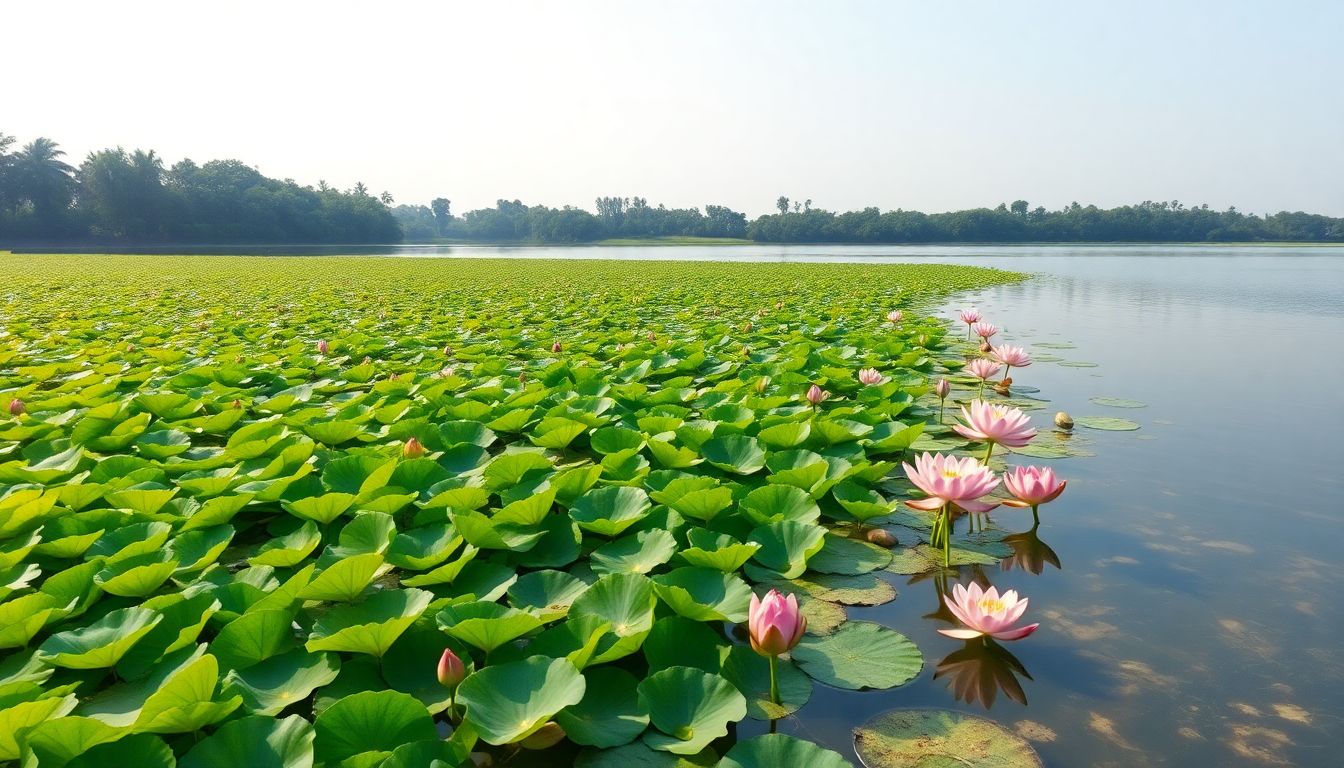
Environmentalists have called for a ban on the sale and distribution of the highly invasive aquatic weed Salvinia molesta after a biological control agent successfully began restoring Vadale Lake in Panvel. The demand comes 45 days after scientists introduced the Cyrtobagous salviniae weevil into the infested water body on May 7.
The invasive weed, commonly known as giant salvinia or Chinese lace, is considered one of the world's most destructive freshwater plants. Before the intervention, the weed had nearly engulfed Vadale Lake, forming dense mats that blocked sunlight, depleted dissolved oxygen, smothered native lotus plants, and disrupted habitats for resident and migratory birds.
The infestation went unidentified for nearly two years until June 2025, when environmentalist Jyoti Nadkarni identified the weed with the help of biologist Dr. Suchandra Dutta. In December 2025, Nadkarni approached the Indian Council of Agricultural Research – Directorate of Weed Research (ICAR-DWR) to find a scientific solution.
With support from Ranjana Sadolikar, chairperson of the Citizens United Forum, the team proposed biological control to the Panvel Municipal Corporation as a sustainable and cost-effective alternative to mechanical removal. On May 7, an ICAR-DWR team comprising scientists Dr. Archana Anokhe and Diksha, and staff member Mahindra, released the Cyrtobagous salviniae weevils into the lake.
Since the release, Nadkarni and volunteers Jyoti Dandekar and Madhav Athavale have monitored the lake to assess the impact of the weevils, which feed exclusively on the invasive weed. This marks the first time a biological control technique has been used to eradicate this weed in the Mumbai Metropolitan Region.
Following the early success of the project, Nadkarni and Sadolikar have urged the Panvel Municipal Corporation to install awareness boards at the site. They have also demanded strict regulations on the sale and cultivation of Salvinia molesta, arguing that aquarium hobbyists and ornamental plant traders are inadvertently spreading the weed into natural wetlands.