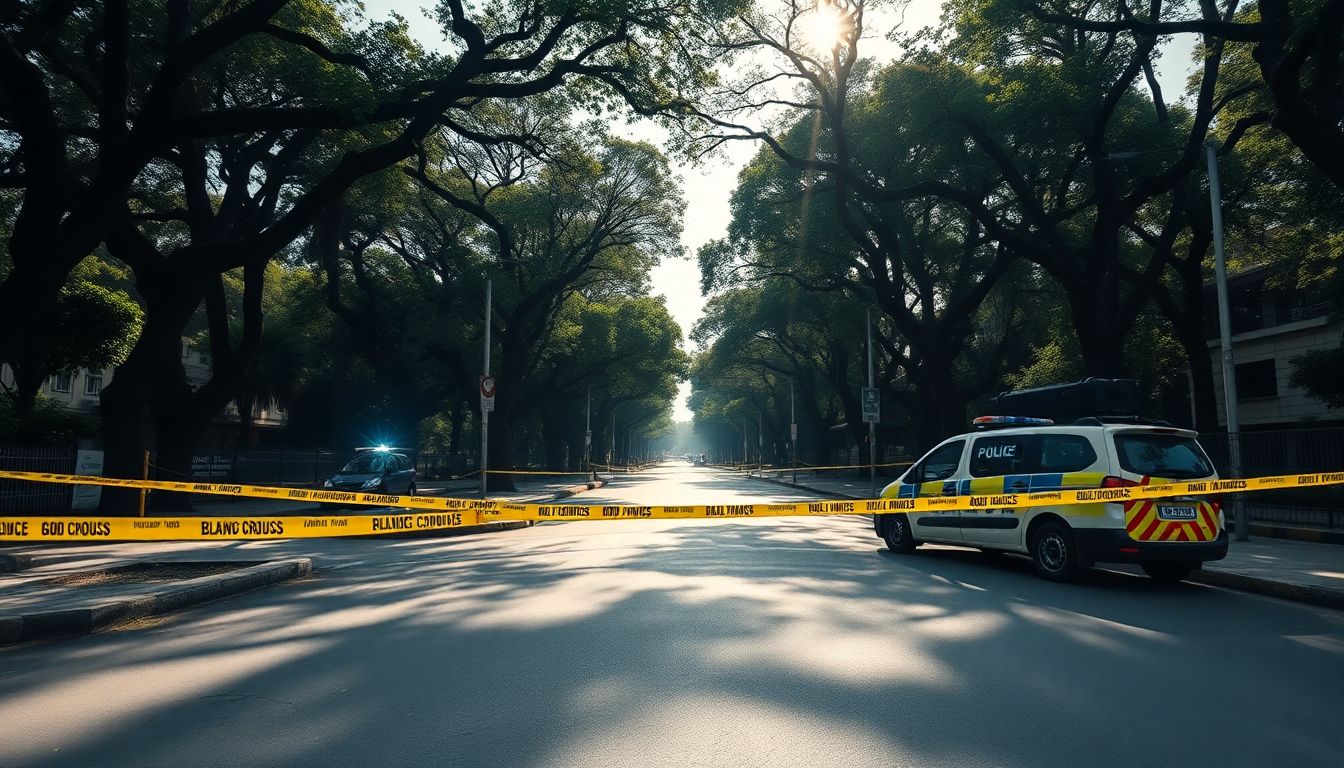
Activists Mark 200th Week of Sundays For Aarey Protests at Birsa Munda Chowk
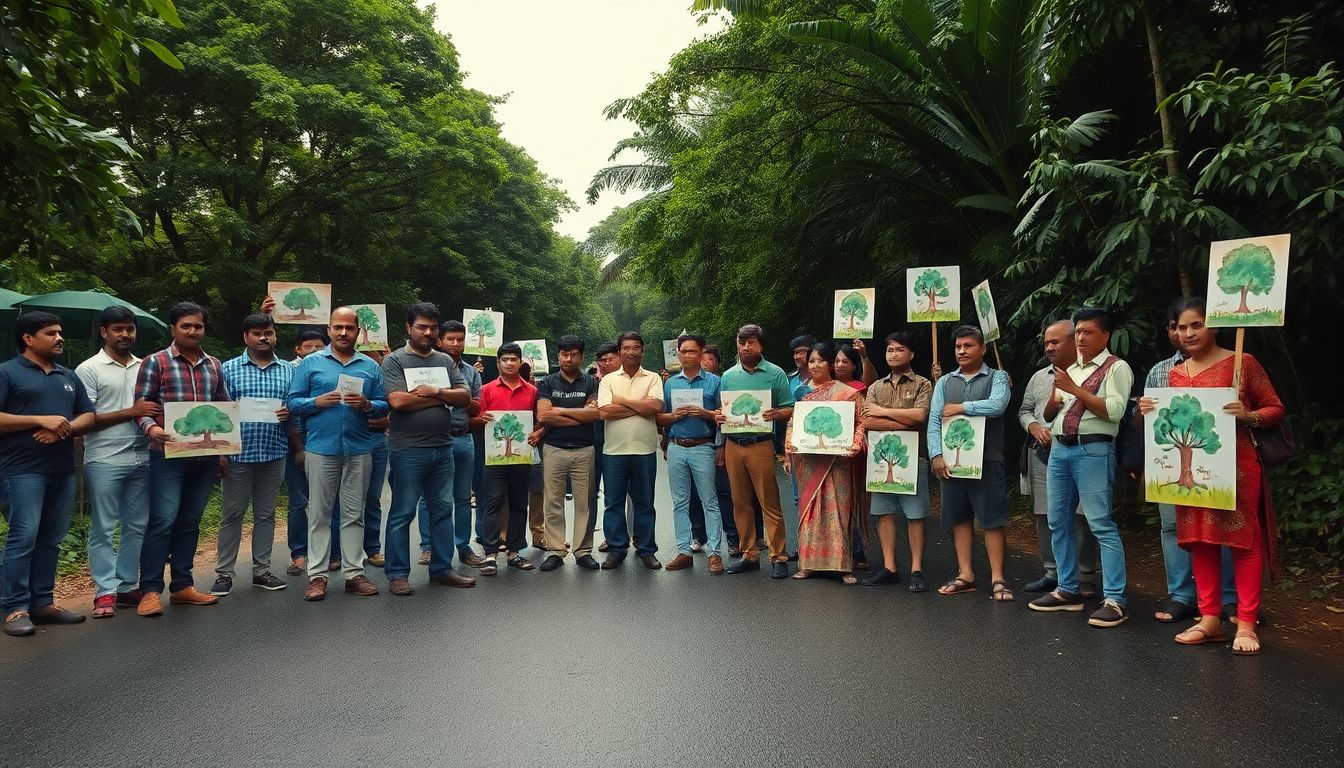
Environmental activists and citizens gathered at Birsa Munda Chowk in Aarey Milk Colony on Sunday to mark the 200th consecutive week of the 'Sundays For Aarey' protest. The demonstrators, including Bandra resident Rusi Nariman, renewed their demand for the 3,162-acre biodiverse urban forest to be declared a 'No Development Zone' to protect its wildlife and natural habitat from ongoing infrastructure projects.
Despite facing monsoon rain, campaigners assembled at the site to display banners, sing songs celebrating the forest, and perform a street play highlighting the ecological importance of Aarey. Animal rights campaigner Reshma Shelatkar, who has been associated with the movement since its inception, described the weekly demonstration as probably the longest continuous campaign anywhere in the world to save an urban forest.
The wider 'Save Aarey' movement began around 2010, with public opposition intensifying in November 2014 against the felling of trees and destruction of grasslands for a Metro car shed project. Several protesters faced police cases during these early demonstrations. Although the Maha Vikas Aghadi government announced in 2019 that the Metro car shed would be shifted to Kanjurmarg, this decision was reversed after the Mahayuti government assumed office in 2022.
Following the reversal, the first 'Sundays For Aarey' protest was held on July 3, 2022. The weekly demonstration has continued every Sunday since, drawing support from various organizations, including the India Greens Party, the Bombay Catholic Sabha, and concerned local citizens.
Rusi Nariman, a 79-year-old Bandra resident and regular participant in the weekly protests, expressed concern over the ongoing encroachment of the forest land. Nariman stated that while protesters are not against development, it should not come at the cost of destroying nature. He noted that the weekly gatherings aim to bring attention to the slaughter of trees in the rush for development.
The 3,162-acre Aarey Milk Colony consists of government dairy land, cattle sheds, tribal hamlets, and slum settlements. Vast stretches of the area remain covered by forests and grasslands, supporting a rich biodiversity that includes leopards, deer, wild boar, mongooses, jungle cats, reptiles, amphibians, butterflies, and numerous plant species.