Activists urge Devendra Fadnavis to halt Kharghar hill blasting over landslide risks
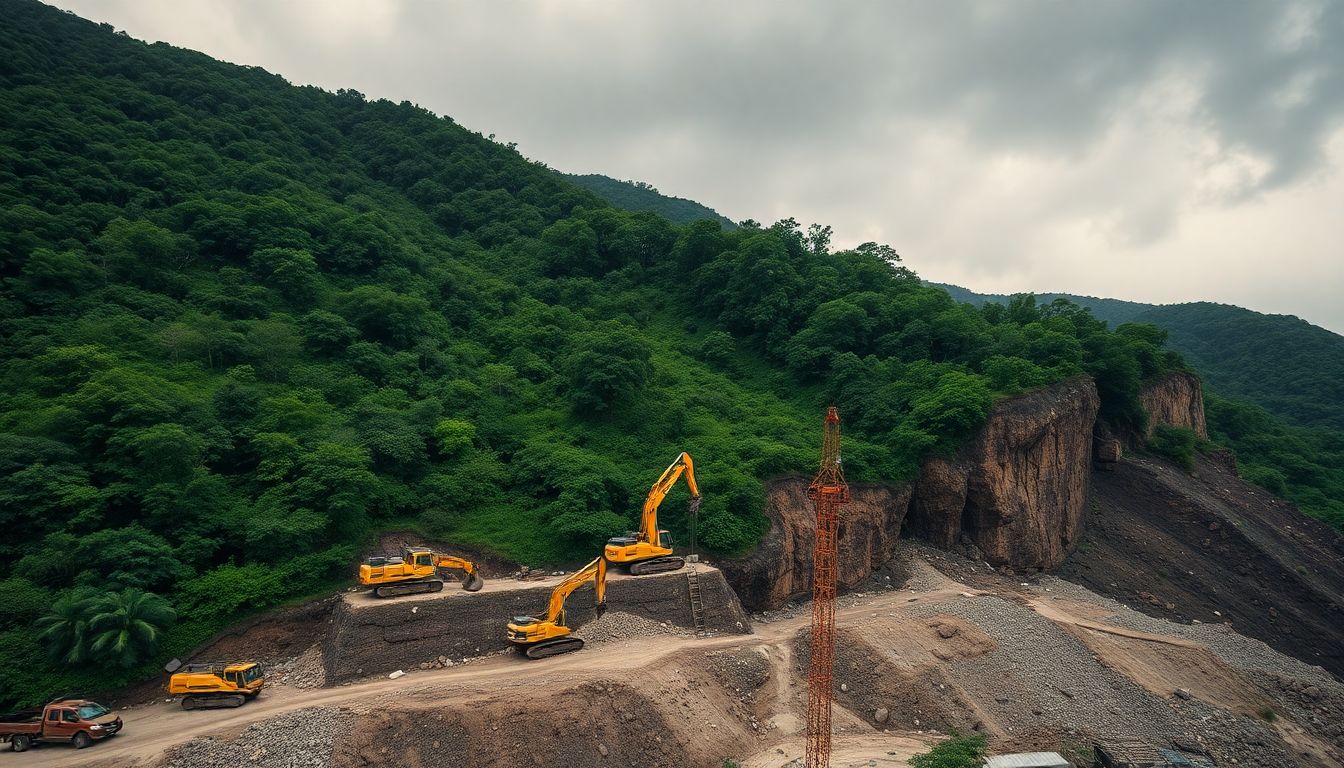
Environmental groups and local residents in Kharghar, Navi Mumbai, have urged the Maharashtra government to immediately halt hill blasting and excavation for a real estate project, warning of severe ecological damage and landslide risks.
In a memorandum submitted to Chief Minister Devendra Fadnavis, the NatConnect Foundation and the Save Kharghar Ecology Forum sought an immediate suspension of all blasting activities. The groups stated that the biodiversity-rich Kharghar hills are an integral part of the area's ecological infrastructure and act as natural water catchments, groundwater recharge zones, and climate buffers.
NatConnect Foundation director B N Kumar warned that the real estate project itself could face severe geotechnical risks if slope stability is compromised. He pointed to recent devastating landslides in Wayanad and Irshalwadi, as well as repeated slope failures during the Char Dham highway project, as stark reminders of the dangers of reckless hill cutting.
According to the activists, the ongoing excavation follows years of quarrying behind the Tata Memorial Hospital in Kharghar, which has already left large scars on the hill range. Instead of restoring the damaged terrain, another portion of the hill is now being blasted and cut.
Jyoti Nair, convenor of the Save Kharghar Ecology Forum and a sustainability consultant, stated that the blasting has continued unabated despite heavy monsoon rains. Nair expressed concern that there is a rush to flatten the hills before authorities can intervene, noting that every day of delay causes further irreversible damage.
Environmentalists highlighted that the hills perform vital ecological functions, such as absorbing rainfall, regulating local temperatures, and maintaining soil stability. They cautioned that disturbing the geological balance of the hills weakens Navi Mumbai's resilience to extreme weather events.
The groups have demanded an immediate halt to all blasting and excavation, an independent review of project approvals, and a cumulative environmental impact assessment of successive hill-cutting activities in the area.