Andheri Commuters Face Major Delays As Only 67 Percent Of BEST Buses Run After Strike
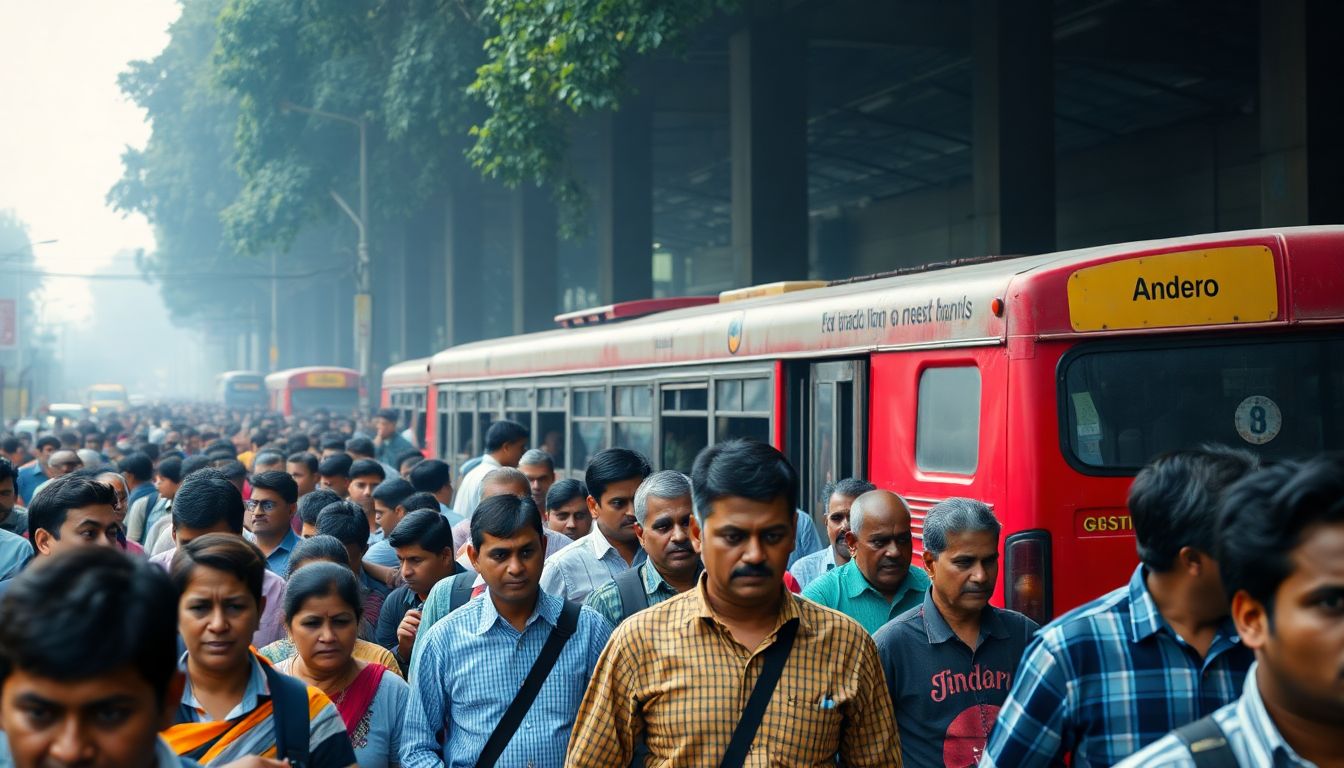
Commuters in the Andheri locality and across Mumbai faced severe travel hardships on Monday morning as Brihanmumbai Electric Supply and Transport (BEST) bus services remained heavily disrupted. Although BEST unions officially called off their three-day strike late Sunday night, the city's public transit network struggled to return to normal operations, leaving thousands of passengers stranded during the morning rush.
Outside key railway stations, including Andheri, long queues of frustrated commuters began forming early in the day. Hundreds of people were forced to wait for buses that were either severely delayed or already overcrowded, as the transport network struggled to normalise its services.
According to official data provided by a BEST official, only around 67 percent of the scheduled bus fleet was operational across the city during the morning peak hours. Specifically, only 1,863 buses out of the scheduled 2,766 buses were deployed on the roads.
The primary cause of this shortage was a significant deficit in staff attendance. Only 42 percent of the drivers reported for their duties on Monday morning, representing just 1,279 drivers out of the total 3,029 drivers. Sources reported that driver attendance was particularly poor at several key depots, including the Deonar depot, which directly resulted in a continued shortage of buses on the road.
The situation was compounded by the limited presence of wet lease buses. A significant number of these wet lease buses were not deployed on the roads on Monday, further reducing the number of available vehicles for commuters.
Because of the partial restoration of services, operations on several routes became highly sporadic. This inconsistency aggravated delays and caused extreme crowding on the active routes. Consequently, many commuters had to rely on overcrowded local trains, auto-rickshaws, and taxis to reach their destinations, while others spent extended periods waiting at bus stops.