ASI Discovers Rare Ancient Copper Plates At Morabander On Gharapuri Island
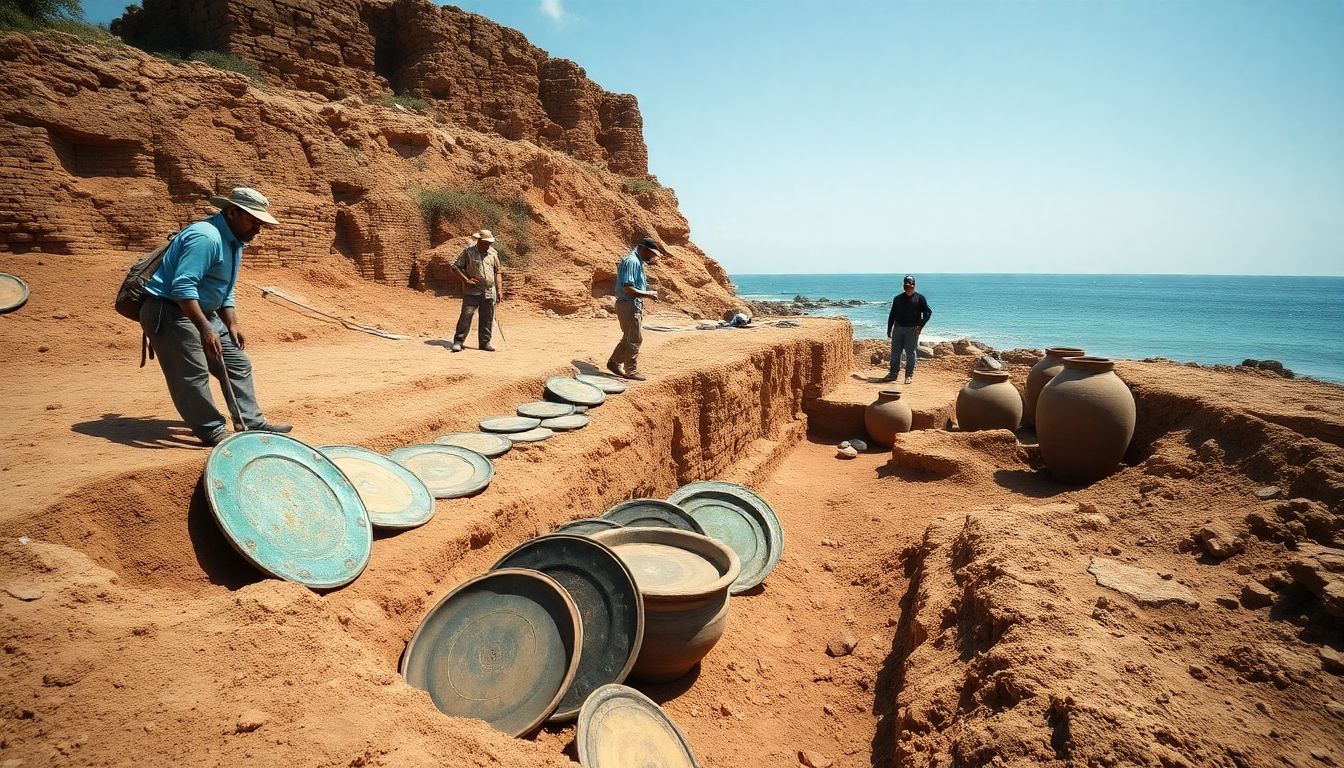
The Archaeological Survey of India (ASI) Mumbai Circle has discovered two rare, historic copper plates during excavations at Morabander on Gharapuri (Elephanta) Island near Mumbai. The discovery, reported on June 27, was made during the 2025–26 excavation season. The find provides fresh evidence of ancient international maritime trade networks dating back to the fourth to eighth centuries AD, confirming the island's historical role in global trade.
Archeologists unearthed the copper plates inside one of two large storage jars near the remains of a warehouse-like structure. The artifacts are linked to the Chalukya and Traikutaka dynasties, which ruled over parts of western India.
The first copper plate is linked to the Chalukyas of Navasarika, who ruled parts of South Gujarat, North Konkan, and the Nashik region during the seventh and eighth centuries. The royal seal on this plate bears the inscription "Shri Jayashrayah." Experts believe this plate dates to the reign of King Jayashraya Mangalarasa.
The second copper plate belongs to Maharaja Indrasena of the Traikutaka dynasty. The Traikutaka dynasty ruled Aparanta (North Konkan), Maharashtra, Khandesh, and South Gujarat between the fourth and sixth centuries AD. Historians consider this inscription to be extremely rare.
According to the findings, the two copper plates illuminate nearly 300 years of western Indian history. They strengthen existing evidence that Gharapuri served as an important maritime trading centre connecting western India with overseas commercial networks.
Previous archaeological excavations at the Morabander site have yielded several other artifacts pointing to international trade. These include Roman amphora fragments, West Asian torpedo jars, turquoise glazed ware, hatched sgraffito ware, stone anchors, and iron fragments. Imported pottery, coins, and a stepped water reservoir were also found during previous digs.
The latest discovery further enriches the understanding of early coastal commerce and regional political history in the area.