BMC Chief Ashwini Bhide Orders Speedup of Water and Road Projects in Bhandup
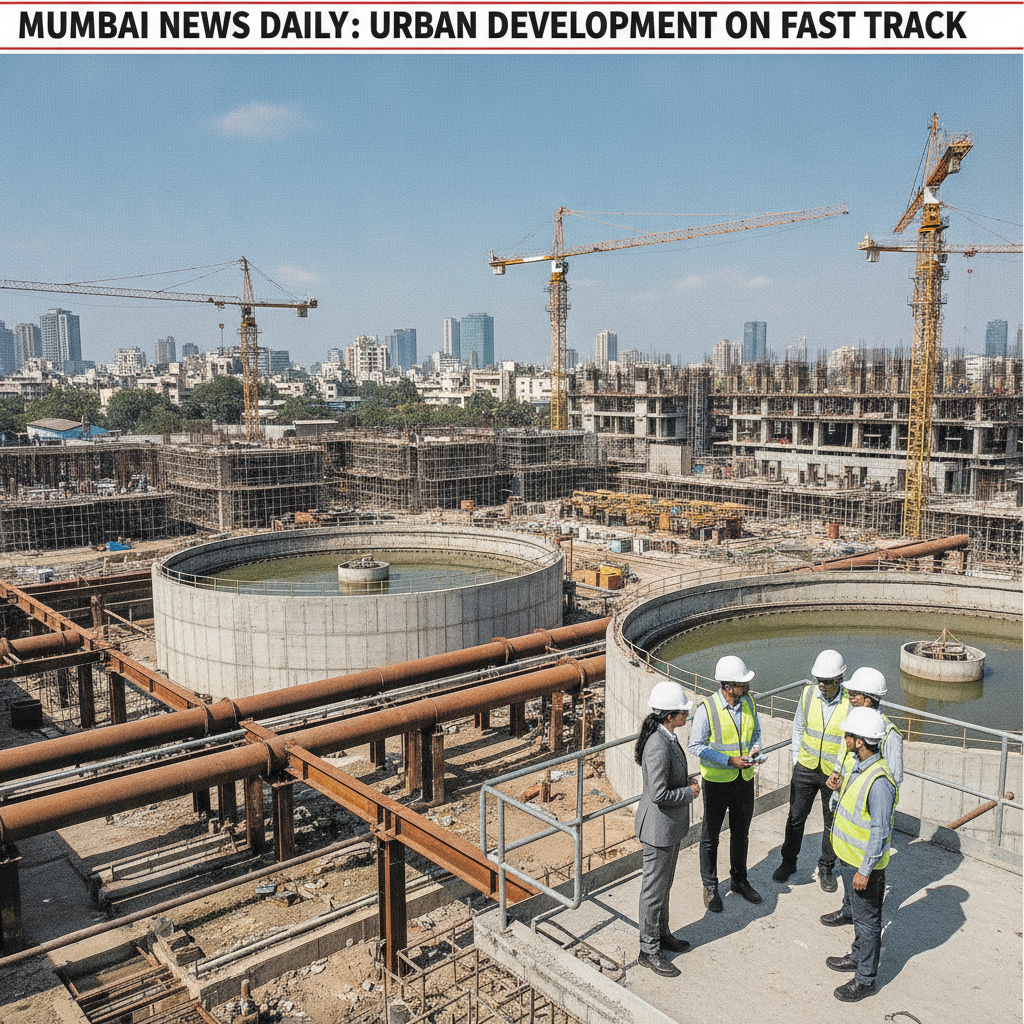
On Wednesday, June 17, 2026, Brihanmumbai Municipal Corporation (BMC) Municipal Commissioner Ashwini Bhide directed civic officials to expedite work on major water supply and transport infrastructure projects during site inspections in Bhandup and the Goregaon-Mulund area. The directive came a day after the civic body enforced stricter water cuts as Mumbai reels under a water shortage.
During her visit, Bhide inspected the upcoming water treatment plant in Bhandup, which is designed to treat up to 2,000 million litres of water per day (MLD). The BMC has set a completion deadline of July 2028 for this plant, which authorities maintain will play a key role in Mumbai's future water infrastructure. Currently, Mumbai draws its water from seven lakes, which is transported to filtration plants before being supplied to households through pipelines.
In addition to the water treatment plant, Bhide reviewed the progress of the 215 MLD Bhandup Sewage Treatment Plant (STP), which is expected to be operational by October 2026. This facility is part of the BMC's Rs 30,000 crore STP project, under which the civic body aims to build seven sewage treatment plants across Mumbai. These plants will recycle sewage water to make it fit for non-potable usage, such as garden irrigation and public sanitation projects, thereby reducing the city's reliance on lake water.
The Municipal Commissioner also inspected the Goregaon-Mulund Link Road (GMLR) project. This review included inspecting the assembly of Tunnel Boring Machine (TBM) components for the twin tunnels. These tunnels will originate from Filmcity in Goregaon East and extend to Nahur in the eastern suburbs.
Bhide directed engineers and contractors working on the GMLR to ensure the adequate deployment of manpower, machinery, and resources. She emphasized that the projects must be completed within their stipulated timelines while maintaining strict quality and safety standards. According to the civic chief, these projects are vital for the city's long-term water security, environmental sustainability, and transport connectivity.