BMC partners with IIT and Mumbai University to study tree roots after fatal collapses
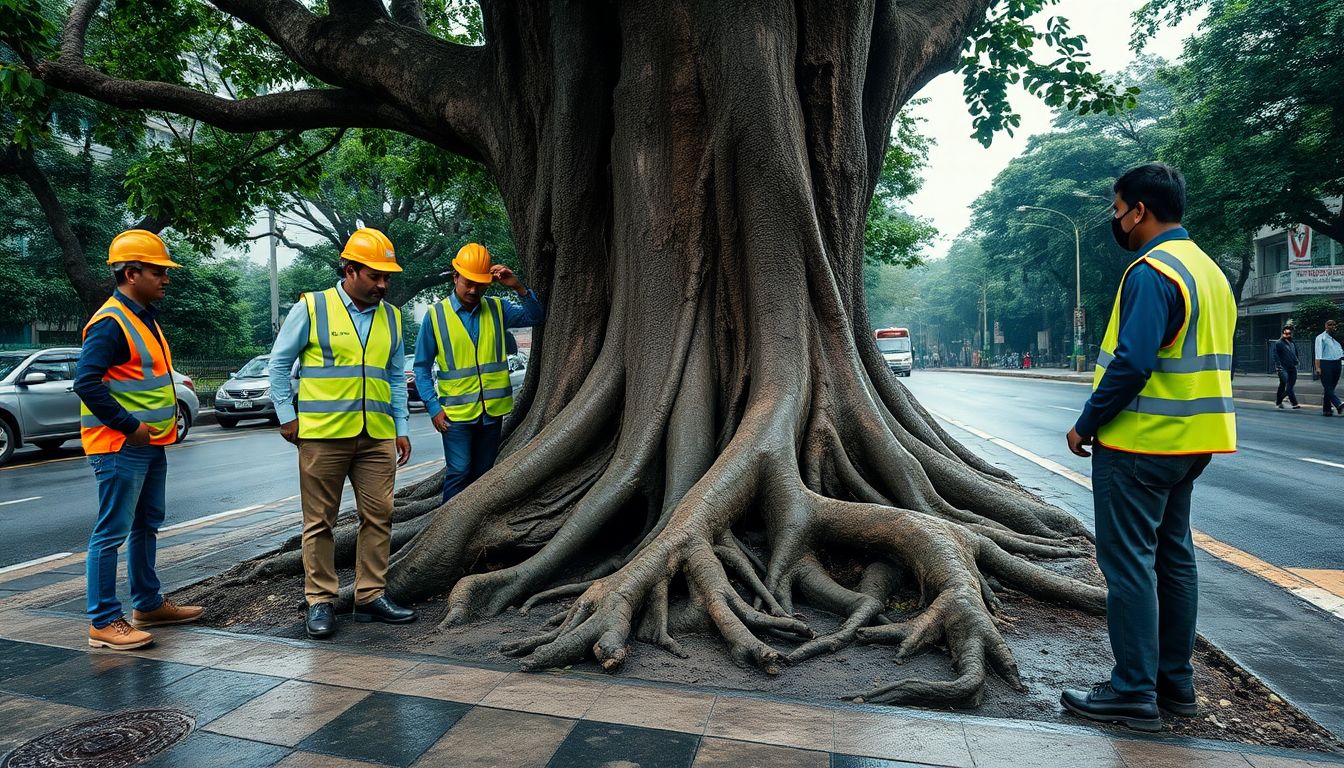
Following two fatal tree collapses in Chembur and BKC's Bharat Nagar, the Brihanmumbai Municipal Corporation (BMC) has partnered with the Indian Institute of Technology Bombay (IIT Bombay) and Mumbai University to study the city's roadside tree systems. The scientific study aims to find ways for tree roots to safely co-exist with underground utility lines.
The initiative comes after Mumbai recorded an unprecedented 1,100 tree collapses between July 1 and July 6 amid heavy monsoon rains and high winds. The spike in collapses resulted in two deaths within a single week, prompting the civic body to launch internal review meetings regarding the health of roadside trees.
On June 30, 11-year-old Vihan Srivastava was killed in Chembur when a large Peepal tree collapsed onto his school van. On July 5, 63-year-old Yunush Kundawala, a resident of Bharat Nagar in BKC, died when a tree collapsed onto his shop.
Municipal Commissioner Ashwini Bhide attributed the sharp rise in incidents to high wind speeds, which reached 70 to 80 kmph in several pockets of the city during a red alert. According to BMC's 2018 tree census, Mumbai has 29.75 lakh trees, with approximately 2 lakh located along roadsides in public spaces.
Bhide explained that these roadside trees are highly vulnerable because they stand on footpaths where underground utility lines run. Sometimes, the utility lines get entangled within the roots. The study will explore how to protect both the roots and utility lines to keep the trees healthy. Many of these roadside trees are banyan and peepal trees, which have complex root systems.
To address the issue, the BMC is consulting with experts from Mumbai University's Life Sciences and Biodiversity department, as well as IIT Bombay. The study will evaluate aspects ranging from root systems to the impact of concretisation, and will explore options such as tying tree roots.
Additionally, the civic body is looking to expand the creation of soil-filled tree basins to anchor roots and improve their health. The BMC has already implemented this measure in some areas, including Malabar Hill, and is now planning to scale it up across larger spaces.
In tandem with the study, the BMC has launched an immediate ward-level survey to inspect all roadside trees and is currently reviewing its standard operating procedures for tree pruning.