BMC Plans ₹10,000-Crore Mumbai Flood Mitigation Project With IIT Bombay

On July 7, 2026, the Brihanmumbai Municipal Corporation (BMC) announced a ₹10,000-crore flood-mitigation project to overhaul Mumbai's flood-management infrastructure, focusing on completing pending pumping stations in Mogra and Mahul. Speaking at a press conference at the BMC headquarters, Municipal Commissioner Ashwini Bhide stated that the civic body is partnering with the Indian Institute of Technology (IIT) Bombay to prepare a Detailed Project Report (DPR) to secure financial assistance from the National Disaster Relief Fund (NDRF).
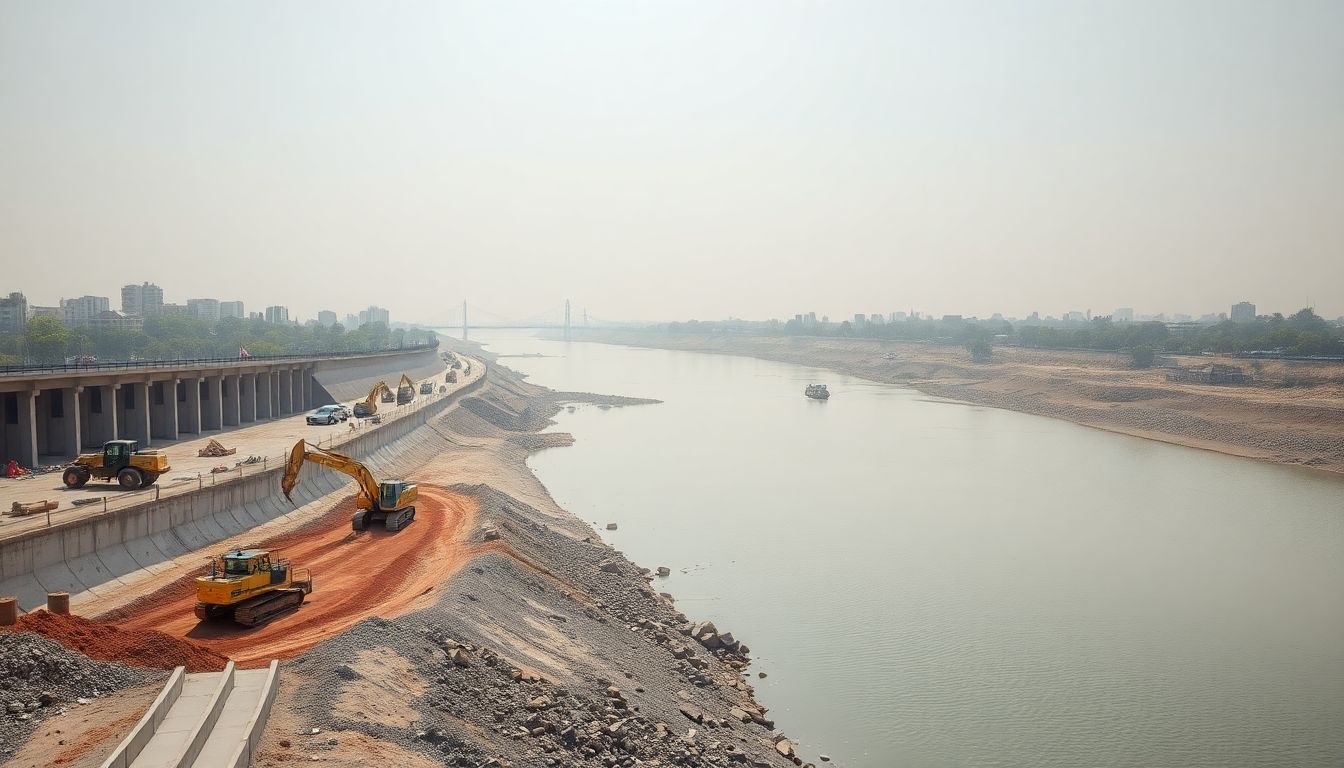
The proposed mega project aims to address 300-350 chronic flooding hotspots across Mumbai. The comprehensive plan includes constructing new pumping stations, expanding the capacity of existing facilities, installing automated floodgates, and strengthening the city's stormwater drainage network.
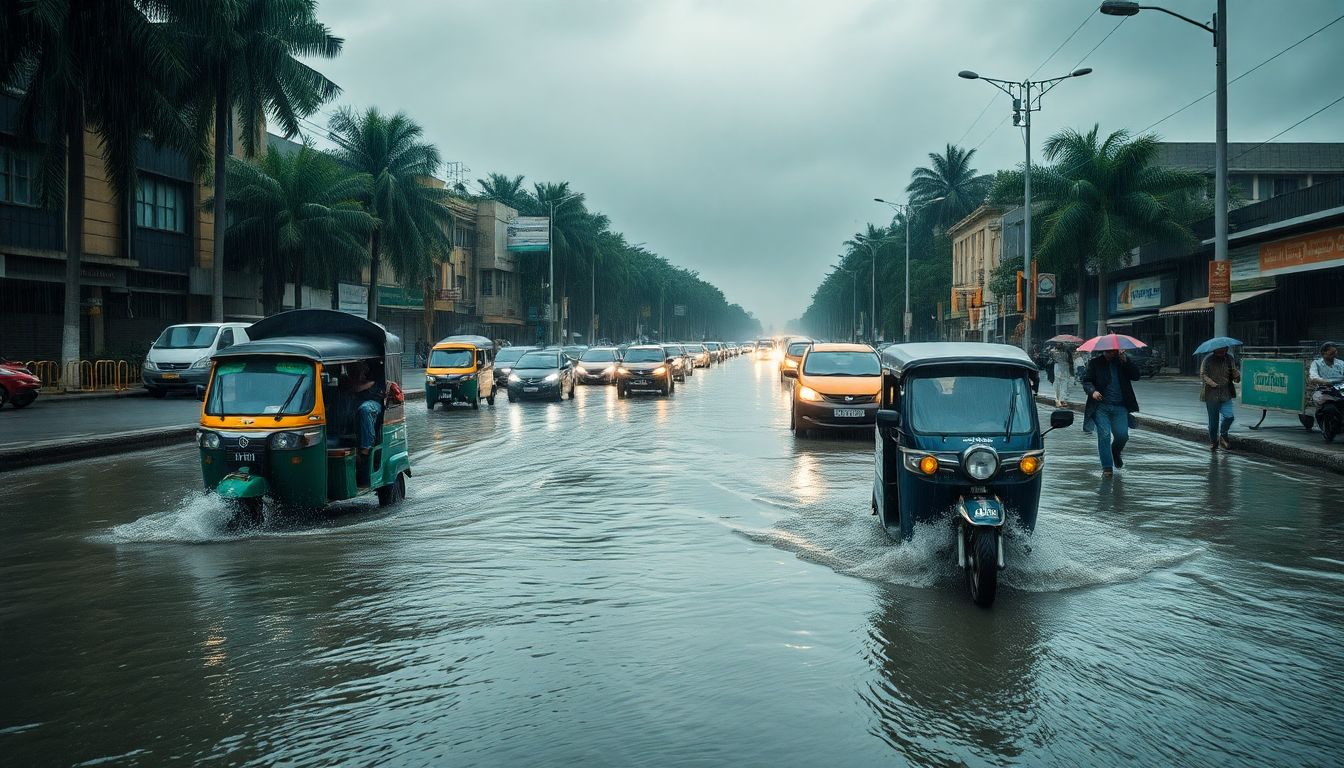
The announcement follows a period of intense rainfall that left several parts of the city waterlogged and disrupted normal life. During the press conference, Bhide acknowledged that recurring flooding has become inevitable during extreme weather conditions.
Bhide explained that waterlogging is unavoidable when approximately 300 mm of rain falls within a short span and coincides with a 4.5-metre high tide. She pointed out that Mumbai is surrounded by the sea on three sides and has been extensively developed on reclaimed land.
This admission marks a shift in the civic body's strategy, signalling that annual desilting operations alone are no longer enough to tackle Mumbai's increasingly intense rainfall. Consequently, the BMC is preparing to seek Central funding for a long-term upgrade of the city's flood-control systems.
IIT Bombay has been officially tasked with preparing the DPR. This report will form the basis of the BMC's funding proposal to the NDRF for the multi-crore overhaul. A key priority of the project is completing the two pending pumping stations at Mogra and Mahul, alongside building additional pumping stations where they are required.
In addition to the infrastructure upgrades, civic authorities urged citizens to cooperate by not dumping solid or floating waste into rivers and nullahs. According to the BMC, clogged waterways severely reduce carrying capacity and aggravate waterlogging during heavy rains.