BMC Seeks Extra ₹21 Crore for Mithi River Project as GST Hike Raises Cost to ₹625 Crore
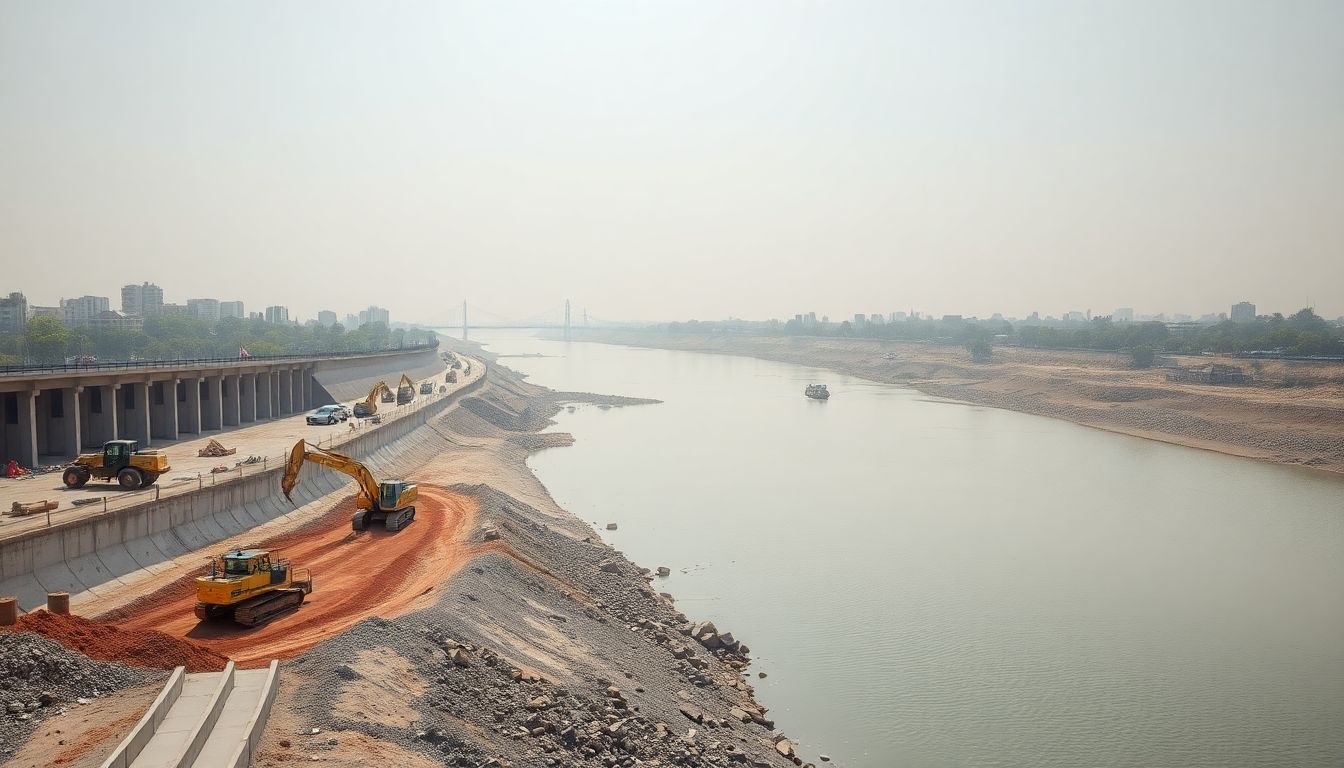
On July 7, 2026, the Brihanmumbai Municipal Corporation (BMC) requested an additional ₹21.03 crore for Phase IV of the Mithi River Rejuvenation Project, which carries surplus water from Powai and Vihar lakes. The cost escalation, driven by a Goods and Services Tax (GST) rate hike from 12% to 18%, will increase the total project cost from ₹604.30 crore to ₹625.34 crore.
The civic body prepared a proposal to present before the BMC Standing Committee on Wednesday to approve the revised project cost. The contractor, a joint venture of J. Kumar Infraprojects Ltd. and Michigan Engineers Pvt. Ltd., sought reimbursement for the extra tax burden following the Central government's revision of the GST rate.
Phase IV of the project is highly advanced, having achieved 96.67% completion. While tunnel excavation has been completed, only shaft-related works remain. The BMC is currently processing an extension for the contractor to complete this remaining work. The contract was originally awarded in 2021 with a four-year completion timeline.
Once fully operational, Phase IV will divert an estimated 168 million litres per day (MLD) of untreated dry-weather sewage flow, projected by 2051, away from the Mithi River. The sewage from Bapat Nullah and Safed Pool Nullah will be redirected through a newly constructed sewage tunnel to the proposed Dharavi Sewage Treatment Plant (STP) for treatment.
The Mithi River is a crucial 17.8-kilometre-long stormwater channel in Mumbai that drains a 7,295-hectare catchment area. It receives untreated sewage throughout the year and carries surplus water from Powai and Vihar lakes during the monsoon. The river originates near Vihar Lake and empties into the Arabian Sea at Mahim Causeway.
Out of the river's total length, the BMC is responsible for maintaining 11.8 kilometres, while the remaining 6 kilometres fall under the jurisdiction of the Mumbai Metropolitan Region Development Authority (MMRDA). The rejuvenation project follows a four-phase strategy designed by a BMC-appointed consultant to systematically curb pollution in the water body.