BMC Uses LiDAR And AI In Bandra West To Assess 5,000 Trees After Deadly Collapses
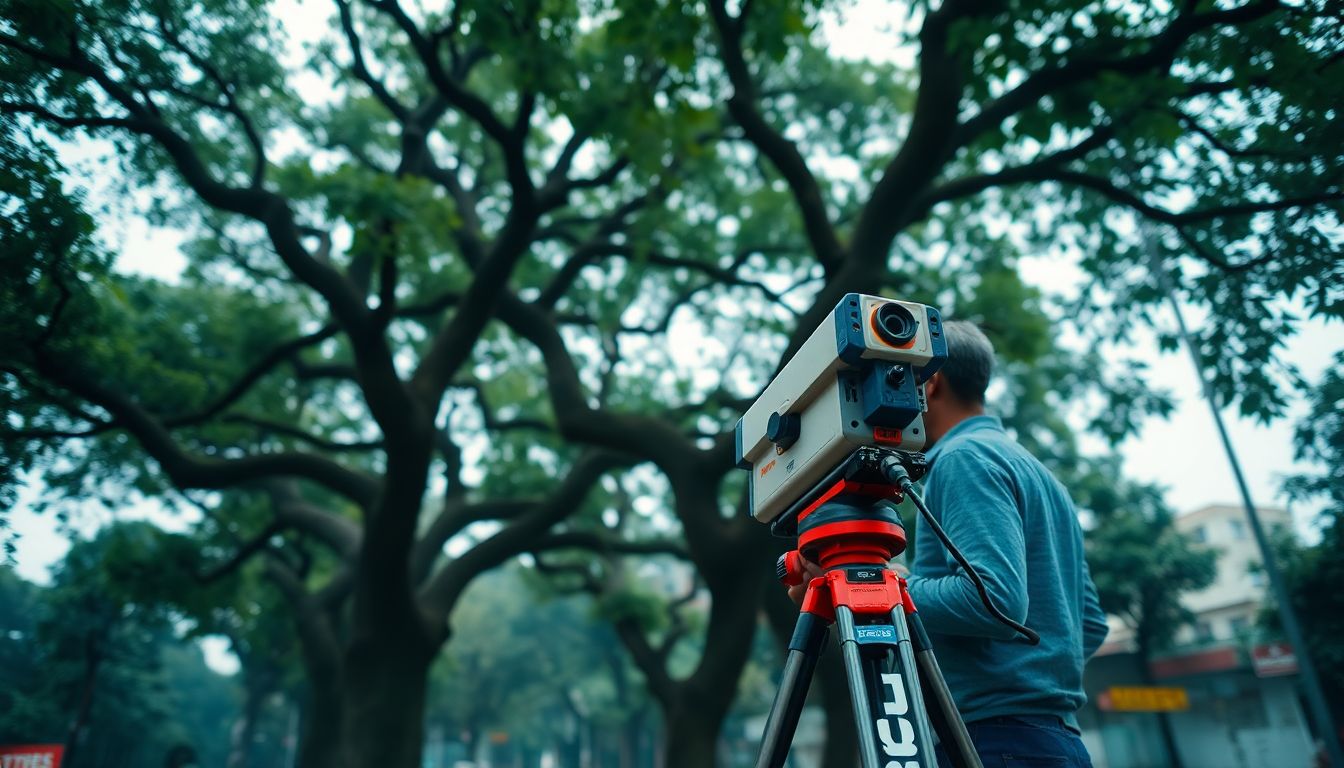
Following the deaths of three people and the collapse of hundreds of trees during heavy monsoon rains in Mumbai, the Brihanmumbai Municipal Corporation (BMC) has partnered with arborist Vaibhav Raje on a pilot project using LiDAR and AI technology for scientific tree assessment in the Bandra West area. Reported on July 8, 2026, the initiative aims to proactively identify weak trees and prevent future collapses by creating digital health records for approximately 5,000 trees in the locality.
The pilot project represents a first-of-its-kind scientific tree assessment initiative in India. Initial LiDAR scanning and field data collection have already been completed for the targeted trees in Bandra West. The gathered data is now undergoing further processing and review.
In the coming months, depending on weather conditions, ground-truthing and arboricultural diagnosis will be carried out to validate the findings. The primary objective of the assessment is to establish a proactive model for urban tree management.
The project comes amid rising concerns over public safety and urban forestry management in the city. Within a single week, three residents lost their lives and hundreds of trees collapsed across Mumbai due to heavy monsoon rains. Many of these collapsed trees appeared externally healthy, raising questions about hidden structural weaknesses, cement concretisation, and improper pruning practices.
Raje, a former expert member of the Maharashtra State Tree Authority, explained that tree collapses during the monsoon are usually due to hidden stresses not visible from the outside. Roots are often suffocated under concretised soil, weakened by decay, or damaged during construction and road works.
Furthermore, heavy rains saturate the soil, which reduces root anchorage, while strong winds add pressure to already stressed trees. According to Raje, these combined factors can cause sudden failures even when the tree canopy appears green and healthy.
Raje also highlighted the negative impact of cement concretisation around tree bases. When soil is sealed, roots lose vital access to air and water. While the mandatory one-metre basin rule helps smaller trees, larger and older trees require two to three metres or more of open space to remain stable.
Additionally, Raje noted that haphazard pre-monsoon pruning by the BMC can harm trees. Unscientific cuts leave wounds that invite decay and create imbalances in the canopy, increasing structural stress. He urged authorities to ensure adequate rooting space, use permeable materials around tree bases, avoid root cutting, and commission regular arborist inspections to preserve tree health.