Bombay High Court Refuses to Quash FIR Against Majalgaon Banner Printers
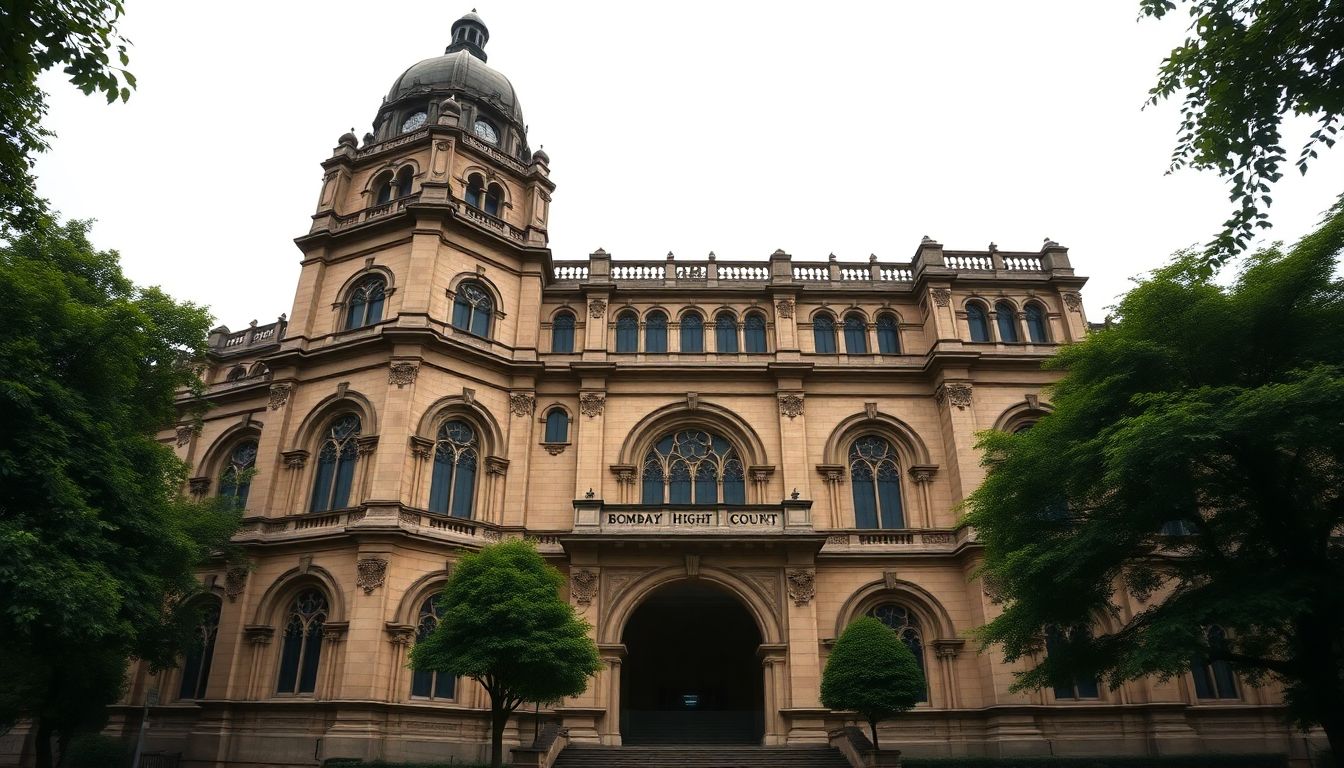
On July 8, 2026, the Aurangabad Bench of the Bombay High Court refused to quash criminal proceedings against a printing press owner and his employee accused of printing and displaying a controversial banner at Dr Ambedkar Square in Majalgaon.
Justice Neeraj Dhote rejected the plea, ruling that the banner's contents prima facie promoted religious hatred and disharmony. The accused, printing press owner Shaikh Wajed and his employee Shaikh Nasir, face charges under various sections of the Indian Penal Code (IPC) and the Maharashtra Police Act.
The case stems from an incident in April 2023, following the killings of gangsters Atiq Ahmed and Ashraf Ahmed in police custody in Uttar Pradesh. According to the prosecution, a 15x10-foot flex banner was displayed at Dr Ambedkar Square in Majalgaon to condemn the killings.
The prosecution alleged that the banner used abusive language against the Hindu community and warned that those responsible for the killings would face consequences. Following the display, the police registered an FIR under Sections 153A, 188, 294, 295A, 298, and 505(2), read with Section 34 of the IPC, alongside Section 135 of the Maharashtra Police Act.
Investigations revealed that Shaikh Wajed printed the banner at his press, while Shaikh Nasir pasted and displayed it in the public square.
The applicants approached the High Court seeking to quash the FIR, arguing they had merely printed and displayed the banner on the instructions of two co-accused. Citing Supreme Court rulings, they contended that no offence was made out against them.
The State opposed the plea, arguing that the language used on the banner clearly hurt religious sentiments and that the applicants were aware of its contents.
Justice Neeraj Dhote dismissed the application, stating that the cited Supreme Court decisions were factually distinguishable. The court observed that a careful reading of the messages on the banner showed a clear reference to one religion and the use of abusive words towards it, making out a prima facie case.
The court further ruled that the applicants could not escape liability simply because one printed the banner and the other displayed it. Justice Dhote noted they could prima facie be attributed with the knowledge that its publication would hurt religious feelings, adding that a quashing petition is not the stage for a mini-trial.