Colaba and Santacruz Record Over 790 mm of Rain in First Week of July
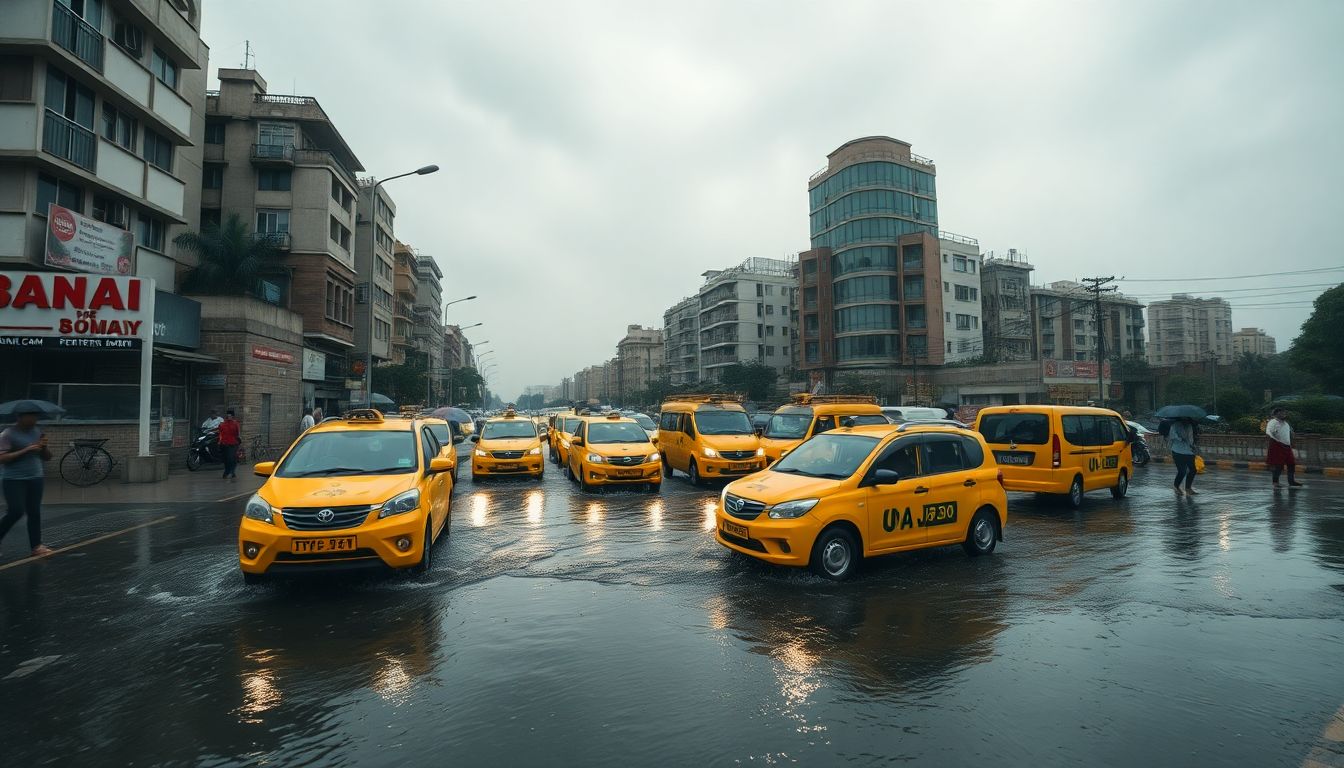
Between July 1 and 7, heavy monsoon spells lashed Mumbai and neighbouring Thane, with the India Meteorological Department (IMD) recording record-breaking precipitation that surpassed monthly averages in just one week at key observatories. The IMD's Colaba observatory recorded 791 mm of rain, exceeding its entire July climatological average of 768.5 mm, while the Santacruz observatory registered 879 mm.
The intense rainfall occurred despite the ongoing effects of El Niño, which had initially delayed the southwest monsoon's arrival in the region by nearly two weeks. By the end of June, the monsoon entered an active phase, bringing heavy downpours to the city and several parts of coastal Maharashtra.
Climate scientists noted that the heavy spells fit a long-term trend driven by global warming. Between 1981 and 2000, Mumbai recorded an average annual rainfall of 2,325.8 mm. This average rose to 2,672.7 mm between 2001 and 2024, representing an increase of nearly 15 percent.
Dr. K. J. Ramesh, former Director General of the IMD, explained that global warming has permanently altered the character of the monsoon. He stated that even during El Niño years, when the number of rainy days is lower, rainfall tends to occur in short-duration, high-intensity spells.
According to Dr. Raghu Murtugudde, Emeritus Professor at the University of Maryland and former professor at IIT Bombay, multiple weather systems combined to produce the heavy rain. He noted that warming patterns over West Asia and changes in Arabian Sea winds allowed moisture to feed into the monsoon system, which was then forced upward by the Western Ghats to cause heavy rain over the region.
The intense spell has begun to ease. In the 24 hours ending Tuesday morning, the Santacruz observatory recorded 94 mm of rain, while the Colaba observatory recorded 90 mm. This marked the first time in five days that daily rainfall at both stations fell below the 100 mm mark.
According to the Brihanmumbai Municipal Corporation, the western suburbs recorded 78 mm of rain, followed by 77 mm in the eastern suburbs and 46 mm in the island city during the same 24-hour period.
The IMD has placed Mumbai under a yellow alert. However, its five-day forecast indicates that the city and neighbouring Thane are expected to receive only light rainfall over the coming week, with no heavy rainfall warnings currently in place.