Devendra Fadnavis Explains Anti-Conversion Bill Provisions In Assembly
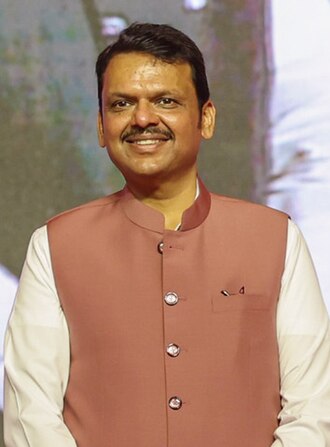
On Tuesday, June 30, 2026, Maharashtra Chief Minister and Home Minister Devendra Fadnavis addressed the State Assembly to explain that the newly passed anti-conversion Bill will establish a dedicated legal framework to address forced religious conversions. Speaking in the legislature, Fadnavis assured that the law is designed to target offenders while ensuring that innocent people do not face trouble.
Fadnavis stated that the existing provisions under the Bharatiya Nyay Sanhita (BNS) are inadequate to effectively address cases of forced religious conversions. He noted that central approval is currently awaited for the implementation of the Act, which will provide a specific legal framework to prosecute such offences.
The Chief Minister also highlighted that the central government has strengthened the Foreign Contribution (Regulation) Act (FCRA). Under these strengthened rules, licences of organisations found misusing foreign funds for illegal activities, including religious conversions, are being cancelled.
Addressing a recent case in Nagpur, Fadnavis mentioned that allegations of religious conversion had surfaced, though the victim's complaint was primarily related to alleged sexual exploitation. He stated that the matter in Nagpur would be investigated thoroughly based on the available evidence.
Fadnavis assured the Assembly that the police would conduct a fair and impartial probe into all such complaints, promising that action would only be taken against those found guilty. "No innocent person will be implicated," he said, adding that the proposed law would strengthen the state's ability to handle these cases.
The Maharashtra Freedom of Religion Bill 2026 contains stringent provisions to prohibit religious conversions carried out through coercion, fraud, inducement, or marriage. It prohibits conversion through allurement, misrepresentation, force, undue influence, or any other fraudulent means.
Under the Bill, those involved in unlawful conversion on the pretext of marriage will face punishment of seven years of imprisonment and a fine of ₹1 lakh. The Bill also prescribes a mandatory procedure for conversion, which includes submitting a prior notice to the competent authority declaring the intent to convert.