Draupadi Building collapse in Badamwadi raises questions over MHADA safety audit
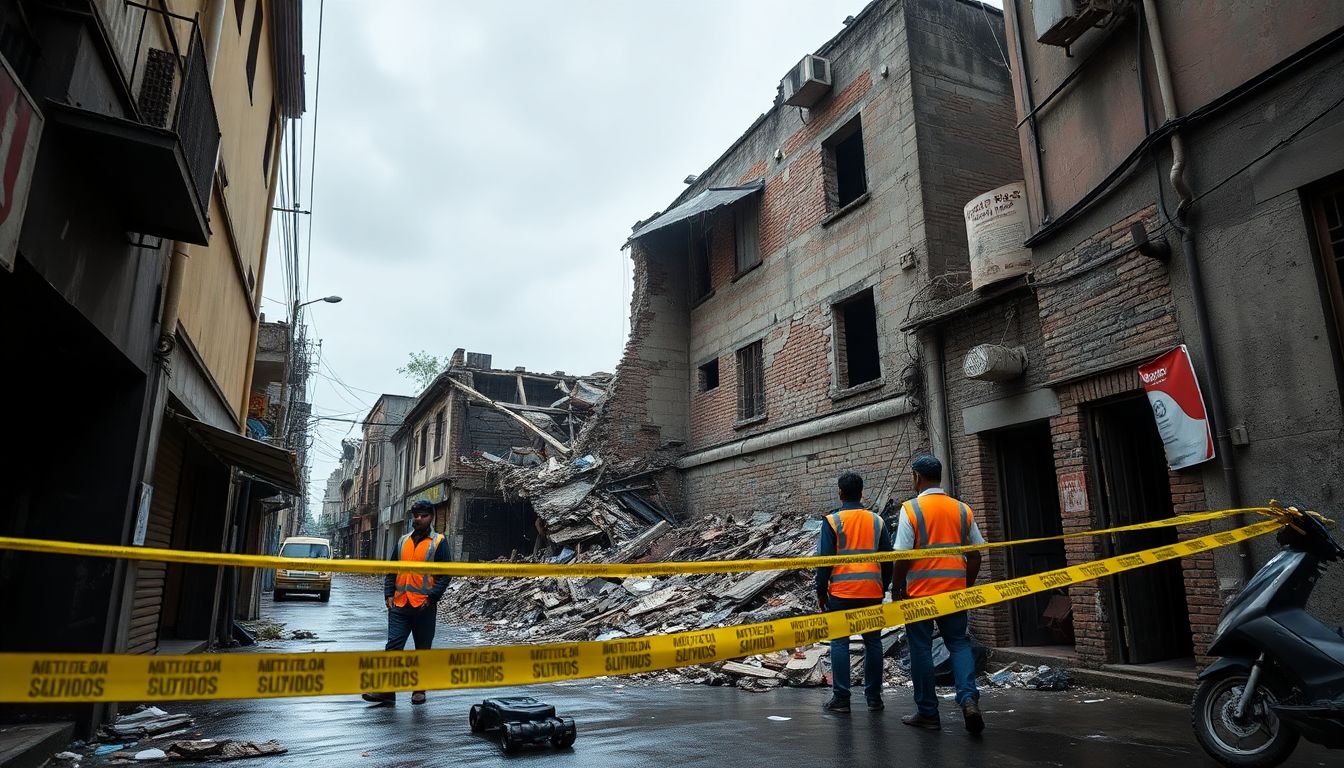
A portion of the 130-year-old Draupadi Building in Badamwadi, South Mumbai, partially collapsed on Friday, July 3, 2026. The incident has raised serious questions regarding the accuracy of the Maharashtra Housing and Area Development Authority's (MHADA) pre-monsoon dangerous buildings audit. Fortunately, no injuries were reported during the collapse as residents had already been evacuated from the structure.
The Draupadi Building is located in the Badamwadi area of South Mumbai and is owned by the Life Insurance Corporation of India (LIC). Despite being around 130 years old and showing visible signs of deterioration, the structure was entirely omitted from MHADA’s official list of dangerous buildings.
The housing authority's pre-monsoon audit had previously identified 82 buildings across Mumbai as dangerous. However, the Draupadi Building was not among them. The omission has sparked strong reactions from tenants and housing activists, who are questioning how such an old and visibly deteriorated building managed to escape the audit.
This partial collapse has renewed widespread concerns regarding the safety of Mumbai’s ageing cessed buildings. Housing activists and local residents are raising questions about the criteria and thoroughness of MHADA's safety inspections, especially given the risks posed to occupants of older structures during the monsoon season.
With the building's owner identified as LIC, the incident highlights ongoing challenges in managing and auditing the city's historic real estate. While the timely evacuation of the Draupadi Building's residents prevented injuries, the event has intensified scrutiny on MHADA's audit processes and the safety of the city's vulnerable housing stock.
As Mumbai navigates another monsoon, the partial collapse of this unlisted 130-year-old structure serves as a stark reminder of the potential dangers lurking in the city's unmonitored cessed buildings. Activists continue to call on MHADA and building owners like LIC to ensure more rigorous safety checks are conducted in the future.