Justice Ranjana Desai to lead seven-member Maharashtra Uniform Civil Code committee
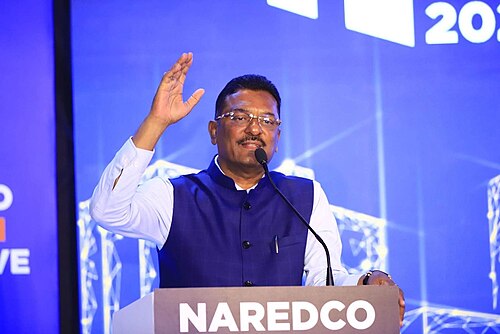
On Thursday, Maharashtra Chief Minister Devendra Fadnavis announced in Mumbai the appointment of a seven-member committee to prepare the framework for a Uniform Civil Code (UCC) in the state. The committee will be led by retired Supreme Court Judge Justice Ranjana Prakash Desai.
The newly formed panel is tasked with analyzing the legal, constitutional, social, and administrative aspects of a UCC to draft a common civil law for Maharashtra. Chief Minister Fadnavis stated that the committee is expected to conduct a thorough analysis and submit its official recommendations within a six-month deadline.
The state government plans to use the panel's upcoming report to finalize the draft legislation. The administration aims to introduce the proposed UCC bill during the winter session of the state legislature, which is scheduled to take place in Nagpur.
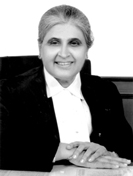
Justice Desai, a 76-year-old jurist, has established a reputation as the country's go-to legal expert for states looking to frame a Uniform Civil Code. She previously chaired the committee that drafted Uttarakhand’s landmark UCC and has subsequently headed similar drafting exercises in other states.
Since her retirement from the Supreme Court of India in October 2014, Justice Desai has undertaken a series of high-profile constitutional and legal assignments. She served as the chairperson of the Delimitation Commission that redrew assembly constituencies in Jammu and Kashmir following the abrogation of Article 370.
In addition to these roles, Justice Desai has chaired the Appellate Tribunal for Electricity and the Advance Ruling Authority for Income Tax. She also led the Lokpal Search Committee.
Her latest appointment to head the Maharashtra UCC panel further cements her status as a key figure in state-level legal reforms. The state government's decision highlights her prominent role in guiding states through the complex legalities of implementing a common civil law.