Maharashtra Announces ₹13,000-Crore Flood-Control Plan For Mumbai
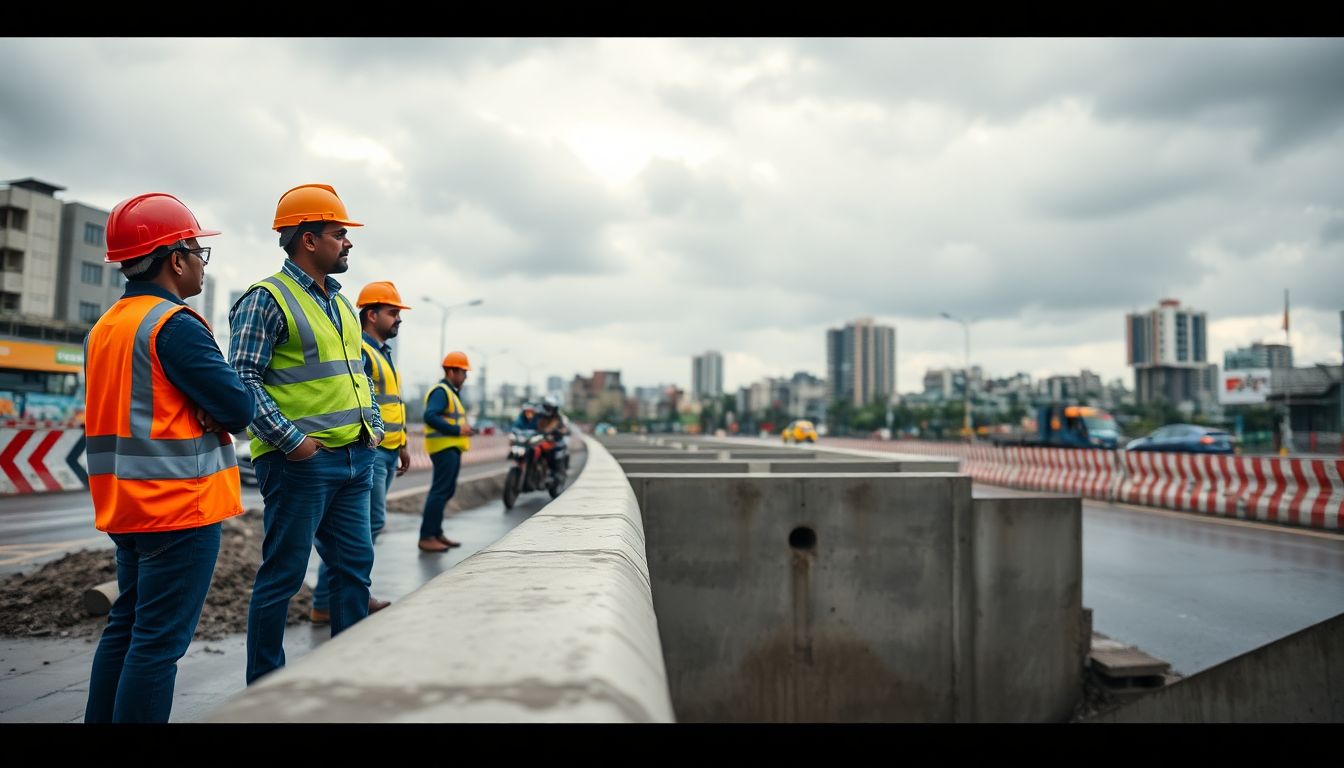
The Maharashtra government on Wednesday unveiled a ₹13,000-crore flood-control plan for Mumbai to upgrade the city's drainage system and eliminate 370 chronic waterlogging hotspots. The announcement follows severe flooding in localities across the city, including Colaba and Santacruz, during the season's first heavy spell of rain.
Addressing the legislative assembly, Chief Minister Devendra Fadnavis stated that the multi-crore project aims to resolve the city's recurring monsoon crisis. The newly proposed system is designed to clear waterlogging at all 370 identified locations within 30 minutes of accumulation.
The government's intervention comes after heavy criticism over the city's vulnerability to flooding. Fadnavis defended the administration's response by pointing to the unprecedented volume of rainfall that recently brought Mumbai to a virtual standstill.
According to data shared by the Chief Minister, Mumbai received almost 90 percent of its average July rainfall in just four days. The city's average seasonal monsoon rainfall stands at 2,318 mm, but the downpour over those four days alone accounted for 42 percent of that entire seasonal total.
Fadnavis provided specific figures for key monitoring stations to illustrate the intensity of the downpour. He noted that while Colaba averages 734 mm of rain for the entire month of July, it recorded 882 mm in just the first six days of the month—equivalent to 111 percent of its monthly average.
Similarly, the Santacruz observatory, which averages 856 mm of rainfall in July, recorded 988 mm during the same six-day period, representing 102 percent of its average July total.
Fadnavis explained that the 370 identified flooding hotspots are areas where water typically accumulates during heavy rainfall, particularly when the downpours coincide with high tides. The ₹13,000-crore drainage upgrade is specifically targeted at mitigating these high-risk zones to prevent future disruptions to the city.