Maharashtra Anti-Conversion Law Takes Effect Amid Minority Concerns
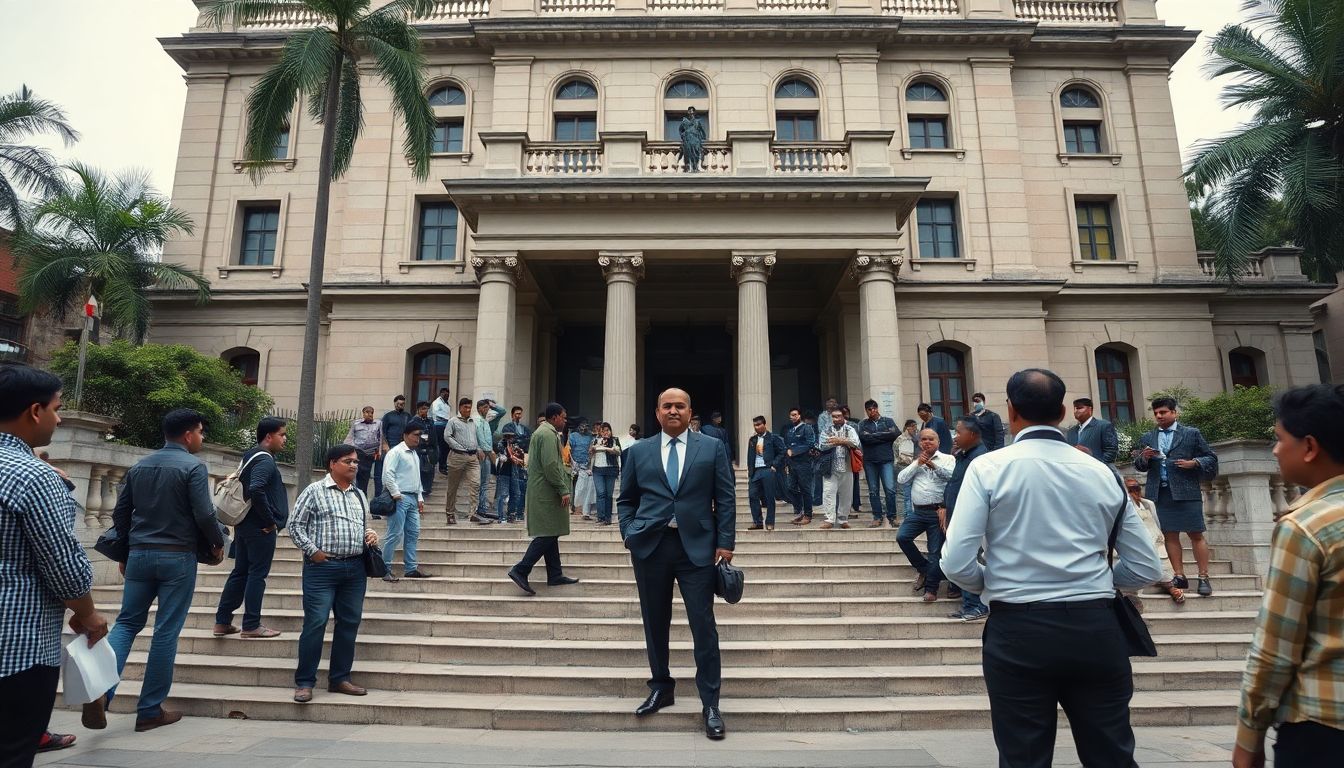
The Maharashtra Freedom of Religion Act, 2026 came into force on August 28 across the state, introducing strict procedures for religious conversions that have prompted reactions across Thane and the Mumbai Metropolitan Region. Under the new statute, anyone intending to change their religion must submit a formal notice to the district magistrate sixty days in advance.
The legislation, which received President Droupadi Murmu's assent before being officially notified on July 30, targets religious conversions carried out through coercion, fraud, inducement, or allurement. A conversion must also be registered with the relevant authority within 25 days, failing which it will be considered null and void. In addition, if a blood relative files a complaint alleging an unlawful conversion, the police are required to register a First Information Report and launch an investigation.
Penalties under the law include prison terms of up to seven years for a first violation and up to ten years for repeat offenders found guilty of forcing individuals to convert. According to a press note issued by the Archdiocese of Bombay, Maharashtra has become the thirteenth state to implement legislation of this type, following similar laws in Uttar Pradesh, Madhya Pradesh, Gujarat, and Karnataka.
Religious communities across the region have expressed concerns over how the law will be enforced. In Thane, Bhante Vishal, a Buddhist monk at the Amrapali Buddha Vihar, pointed out that conversions to Buddhism often take place on a large scale, particularly on October 14, the anniversary of the day B.R. Ambedkar embraced the faith to oppose untouchability and caste discrimination.
Meanwhile, several prayer halls in the Mumbai Metropolitan Region have begun distributing self-declaration forms to worshippers. The forms, which require an attached photograph and identity proof, state that attendees are present by choice without facing pressure, threat, or inducement. Fr. Nigel Barrett, spokesperson for the Archdiocese of Bombay, described the measure as a precaution taken to safeguard worshippers.
The anti-conversion law formed part of the Bharatiya Janata Party's election promises. When the draft was approved by the state cabinet in March, Minister Nitish Rane stated that the administration had fulfilled its commitment made during the Assembly elections to introduce a strict anti-conversion statute in Maharashtra.