Maharashtra Approves Rs 14.50 Crore to Protect Ratnagiri Prehistoric Rock Carvings
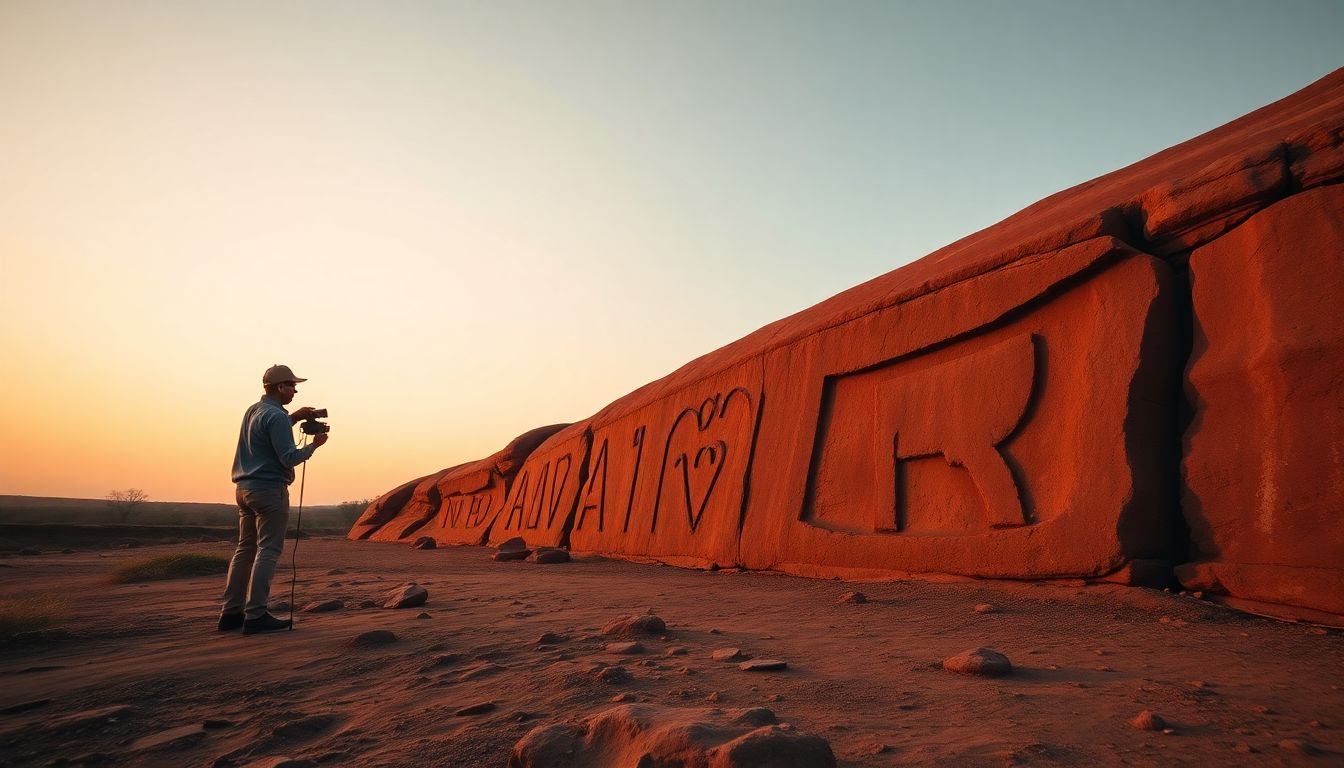
On Tuesday, the Maharashtra government assured that future development projects in the Konkan region, specifically Ratnagiri district, will only proceed after ensuring the complete protection of the area's prehistoric rock carvings. Cultural Affairs Minister Adv. Ashish Shelar announced a ₹14.50 crore action plan in the Legislative Assembly for the preservation, documentation, and tourism development of these ancient geoglyphs.
The issue was raised in the Assembly through a starred question by MLA Vitthal Langhe, with MLAs Bhaskar Jadhav, Shekhar Nikam, Vikrant Pachpute, and Nana Patole participating in the discussion. More than 2,000 rock art engravings spread across over 150 sites have been discovered in a 300-kilometre-long and 25-kilometre-wide belt in Ratnagiri district.
Minister Shelar stated that a Government Resolution issued on April 8, 2026, granted administrative approval of ₹14.50 crore to the Directorate of Archaeology and Museums. These funds, which have already been released, will be used to document the Konkan rock art to international standards.
Under the approved action plan, a 45-minute cinematic documentary will be produced using AI-assisted visual reconstruction to depict prehistoric life and culture. Additionally, separate eight-minute documentaries will be created for each of the nine rock art sites currently included in UNESCO's Tentative World Heritage List, along with their buffer zones.
The project will establish a permanent digital archive containing raw footage, drone-based aerial cinematography, and high-resolution photographs of all sites. This material will also support digital promotional campaigns, social media outreach, and educational resources.
To protect the heritage sites, the construction of protective walls and other conservation works has already commenced. Measures have also been designed to benefit private landowners whose properties contain many of the rock art sites. Shelar assured the Assembly that no future infrastructure projects would be allowed in the region without prior approval from the Archaeological Survey of India and the State Department of Archaeology.