Maharashtra Imposes Sugar Stock Limits and Launches Inspection Drive in Thane
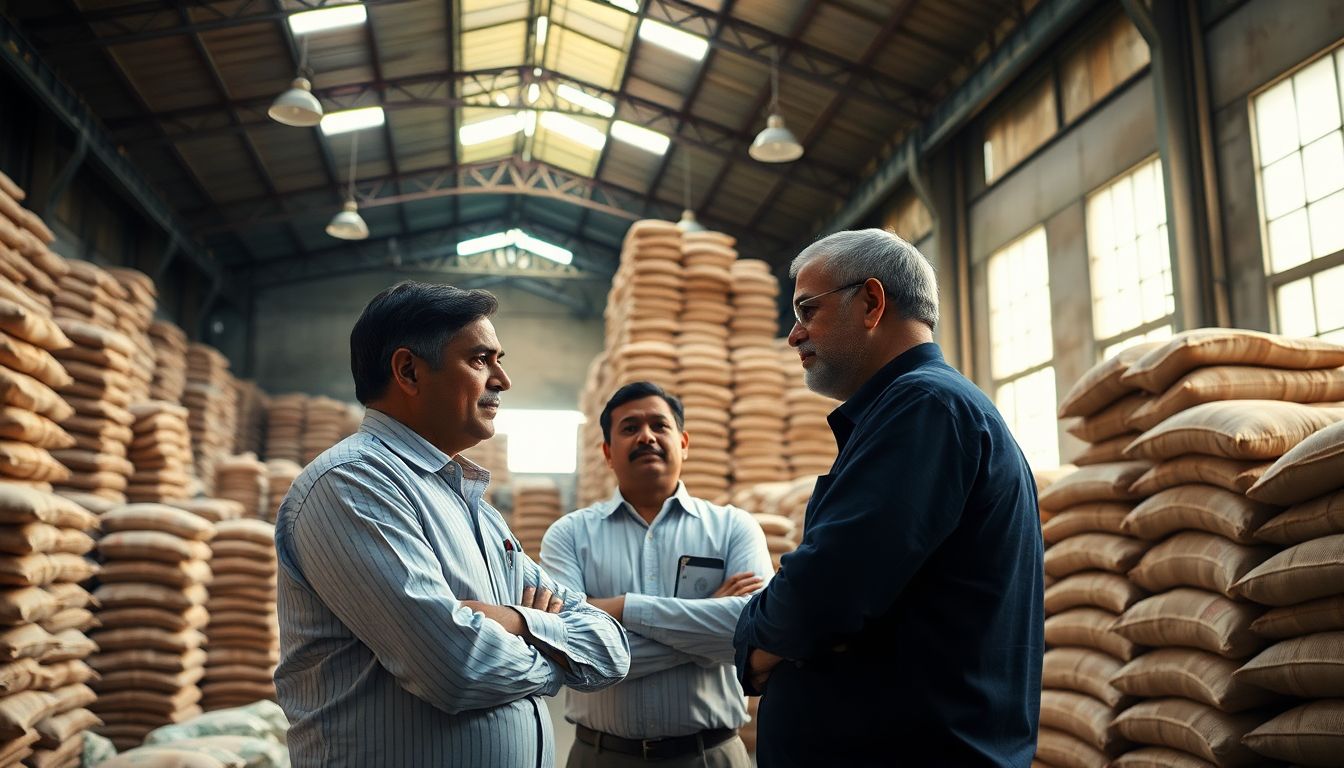
The Maharashtra government has initiated a statewide inspection drive across districts, including the Thane division, to curb sugar hoarding, artificial shortages, and potential price hikes. The Food, Civil Supplies and Consumer Protection Department has ordered physical verification of sugar stocks held by sugar mills, traders, distributors, and bulk industrial consumers.
The regulatory measures, implemented following directives from the Central Government, will remain effective until November 30, 2026.
Under the newly enforced rules, private traders and distributors are prohibited from holding sugar stocks for more than 30 days from the date of receipt. Additionally, they cannot maintain more than 4,000 quintals, equivalent to 400 metric tonnes, of sugar at any single time. For large industrial consumers who use more than 10 metric tonnes of sugar per month for manufacturing or processing, stocks are capped at a maximum of 15 days of their operational requirements.
The state department has made it mandatory for all sugar sellers, distributors, and major industrial consumers to register on the official food-stock monitoring portal. Entities must register immediately, declare their current inventory, and submit weekly stock updates every Friday.
To enforce the regulations, district-level inspection squads have been established to carry out physical checks at storage facilities and warehouses. While district teams are headed by District Supply Officers alongside representatives from the Sugar Commissioner, Legal Metrology, and the Cooperative Societies registrar, dedicated inspection teams in Thane and Mumbai will function under the direction of their respective Rationing Controllers.
During warehouse inspections, officials will count stored sugar bags and cross-verify physical inventories against purchase registers, sales books, Goods and Services Tax returns, transport records, and portal declarations. Discrepancies between physical stock and declared figures, as well as any violations of prescribed holding limits, will be documented through photographs and official records.
The government warned that failure to register on the monitoring portal, concealing stock, or providing inaccurate details will lead to legal action under the Essential Commodities Act, 1955, including criminal proceedings.