Maharashtra passes Bill giving MHADA power to declare South Bombay buildings unsafe
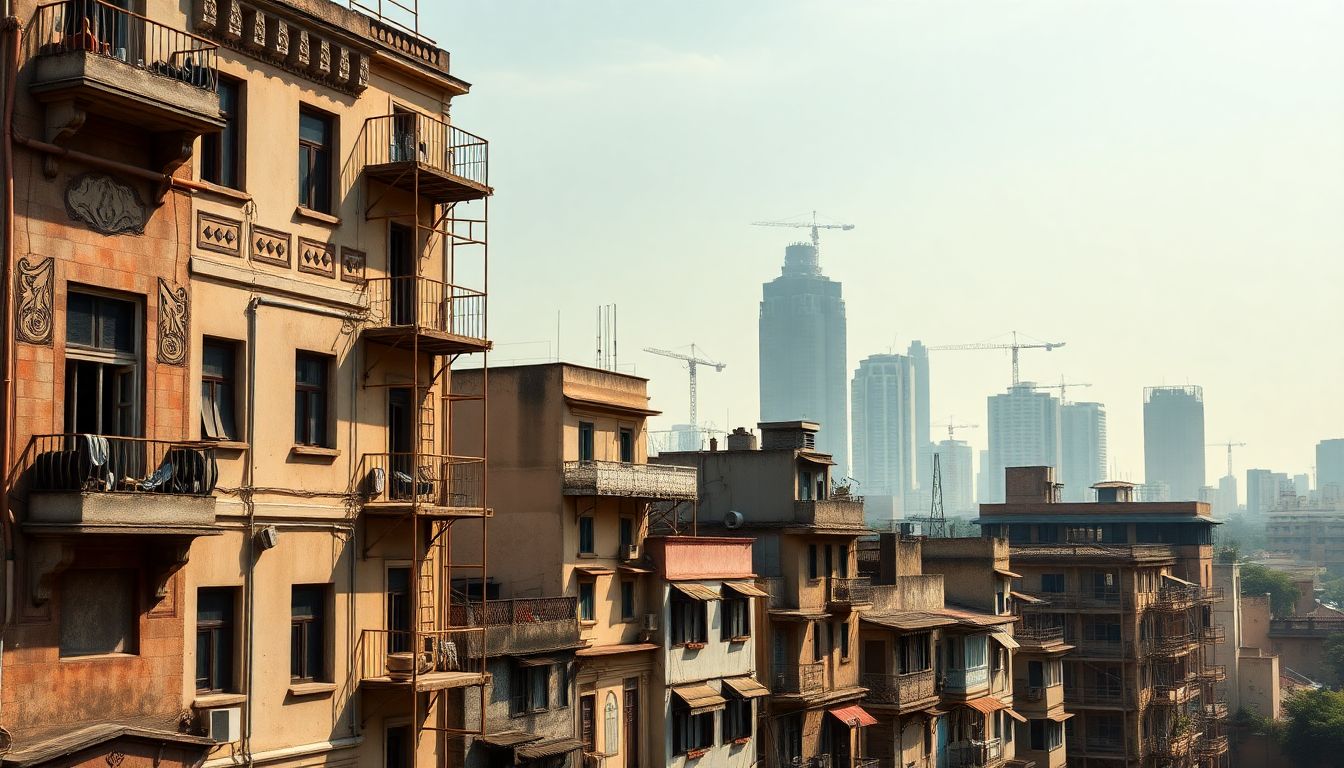
The Maharashtra legislature has passed a Bill to amend the MHADA Act, designating the Maharashtra Housing and Area Development Authority (MHADA) as the competent authority to declare cessed buildings dilapidated. This decision, made this month, aims to revive Section 79A and could restart the stalled redevelopment of nearly 13,000 old, unsafe buildings in South Bombay.
The amendment seeks to resolve a years-long legal deadlock that has stalled Section 79A of the MHADA Act since 2025. Originally introduced in 2022 to ensure time-bound redevelopment of unsafe structures, the provision had faced legal uncertainty over whether MHADA possessed the authority to issue C1 notices, which classify a building as dilapidated beyond repair.
Cessed buildings are structures built before September 1, 1969, in Mumbai’s Island City that pay a repair cess to MHADA. Under Section 79A, once a building is declared C1, a fixed sequence for redevelopment begins. The landlord is given nine months to initiate redevelopment. If the landlord fails, tenants with at least 51 percent consent are given six months to take over. If neither party acts, MHADA can step in.
The new amendment also introduces an option for landlords to undertake reconstruction using zonal Floor Space Index (FSI) to recover costs if tenants refuse to give the required 51 percent consent. Furthermore, it expands MHADA’s powers, allowing the authority to reconstruct or redevelop buildings without consent from either party if deadlines are missed, while preserving the legal entitlements of both landlords and tenants.
Before the provision is implemented, the Bill requires assent from the Governor of Maharashtra. Once obtained, MHADA will inform the Supreme Court, where the matter is currently pending, and initiate fresh structural audits on old buildings. However, challenges may persist, as landlords can still dispute C1 classifications through independent audits, which are referred to the Technical Advisory Committee (TAC) and can be challenged in the Bombay High Court.