Maharashtra rolls out kharif season plans to mitigate El Nino impact
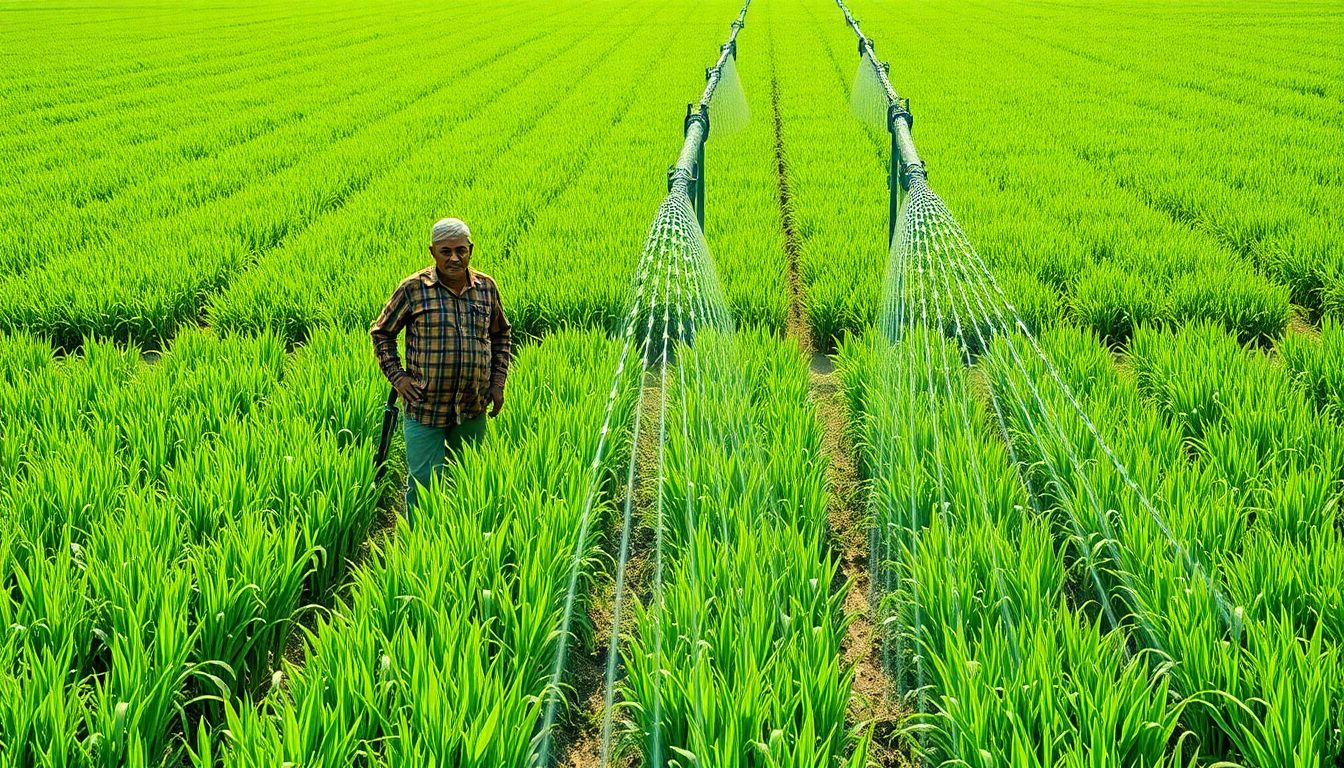
On Thursday, July 2, 2026, the Maharashtra state government announced comprehensive advance preparations in Mumbai for the upcoming kharif season to mitigate the potential impact of El Niño. Speaking in the Legislative Council, Minister of State for Agriculture Adv. Ashish Jaiswal stated that the state has secured fertilisers, seeds, crop loans, fuel, and water to prevent hardship for farmers.
Jaiswal was replying to a Calling Attention motion moved by MLC Sadabhau Khot. The minister noted that high-level review meetings, chaired by Chief Minister Devendra Fadnavis, had been conducted across all districts to assess kharif preparedness. Legislative Council members Bachchu Kadu, Sanjay Khodke, and Dr Pragya Satav also raised supplementary questions during the session.
To ensure uninterrupted agricultural inputs, the state government has coordinated with the Central government to stock more seeds than required and maintain sufficient reserves of chemical fertilisers. Maharashtra has also become the first state in India to monitor and curb the sale of counterfeit seeds using the digital Sarathi portal.
Jaiswal announced a strict ban on the forced bundling of additional products with subsidised fertilisers, a practice that has previously exploited farmers. He noted that the government had already suspended licences, seized stocks, and registered criminal cases against violators during the previous year.
Addressing financial concerns, the minister reported that nationalised banks have already disbursed crop loans worth Rs 6,490 crore. Although crop loan disbursement faced minor delays, Jaiswal assured that all eligible farmers would receive credit. He also advised farmers to avoid rushing their sowing operations due to delayed rainfall.
The government is currently planning a dedicated mechanism to provide faster compensation to farmers affected by counterfeit seeds, aiming to bypass lengthy consumer court procedures. Additionally, to prepare for potential drought, a new policy allows women's self-help groups to lease government and grazing land for Rs 1 per year to cultivate fodder.