MMRDA to Appoint Independent Engineer for Bandra-Kurla Pod Taxi System
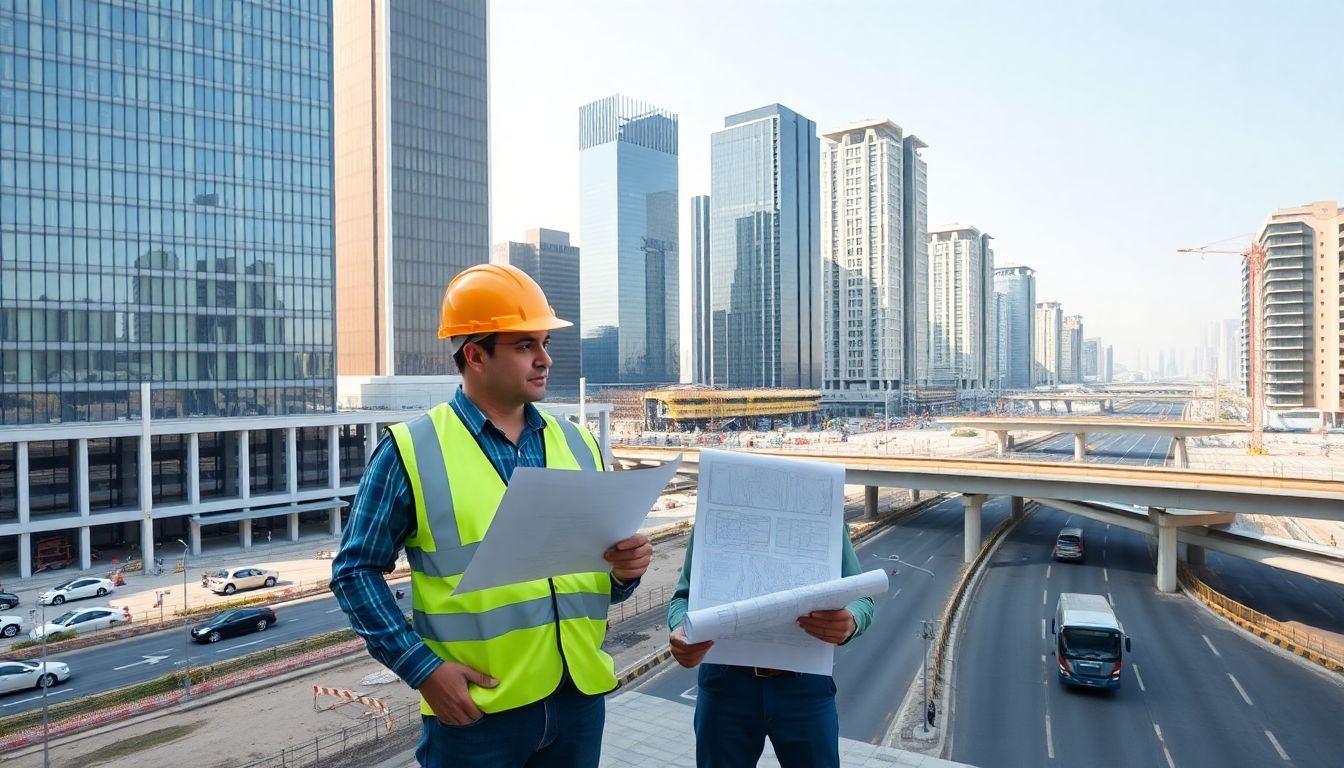
The Mumbai Metropolitan Region Development Authority (MMRDA) plans to appoint an independent engineer to monitor the construction quality and execution of the proposed Automated Rapid Transit System between Bandra and Kurla.
The engineer will be selected through a tender process and will function independently of both the MMRDA and the agency executing the pod taxi project. The oversight role involves tracking construction progress, inspecting quality, and reporting deficiencies or deviations directly to the concerned authorities.
The proposed 8.85-km automated transit corridor is being developed on a Public-Private Partnership (PPP) model without direct financial cost to the state government or the MMRDA. Despite bearing no project cost, the MMRDA is expected to earn revenue from the system.
The full corridor will feature 22 air-conditioned stations spaced roughly 200 metres apart. The initial phase will cover 3.36 km between Bandra and Kurla across eight stations, including Bandra (East) Terminal Station, Kalanagar, Old MMRDA Building, Excise Department, BDB Gate-11, MMRDA Pay & Park in G Block, LBS Marg, and Kurla Terminal Station.
Designed to improve first- and last-mile connectivity to Bandra and Kurla suburban railway stations and the Bandra-Kurla Complex (BKC), the system will deploy battery-powered, driverless pods operating on a dedicated elevated guideway. Each pod will accommodate six passengers, measure 3.9 metres long, 2.01 metres wide, and 1.8 metres high, and run at speeds up to 40 kmph with a planned headway of 15 seconds. Pods will stop only at passenger-selected stations.
Operations will be managed from a central control room. To support maintenance, a depot has been planned at a Rail Land Development Authority (RLDA) plot in Bandra East. The elevated network will also integrate with Metro Line 3 at the BKC Metro station and Metro Line 2B at the ITO and IL&FS stations.
The zero-carbon transit system is projected to carry approximately 1.09 lakh daily riders by 2031, with a proposed fare of Rs 21 per kilometre based on 2022 rates.