Mumbai consumers face pricier phones and laptops as AI servers trigger chip shortage
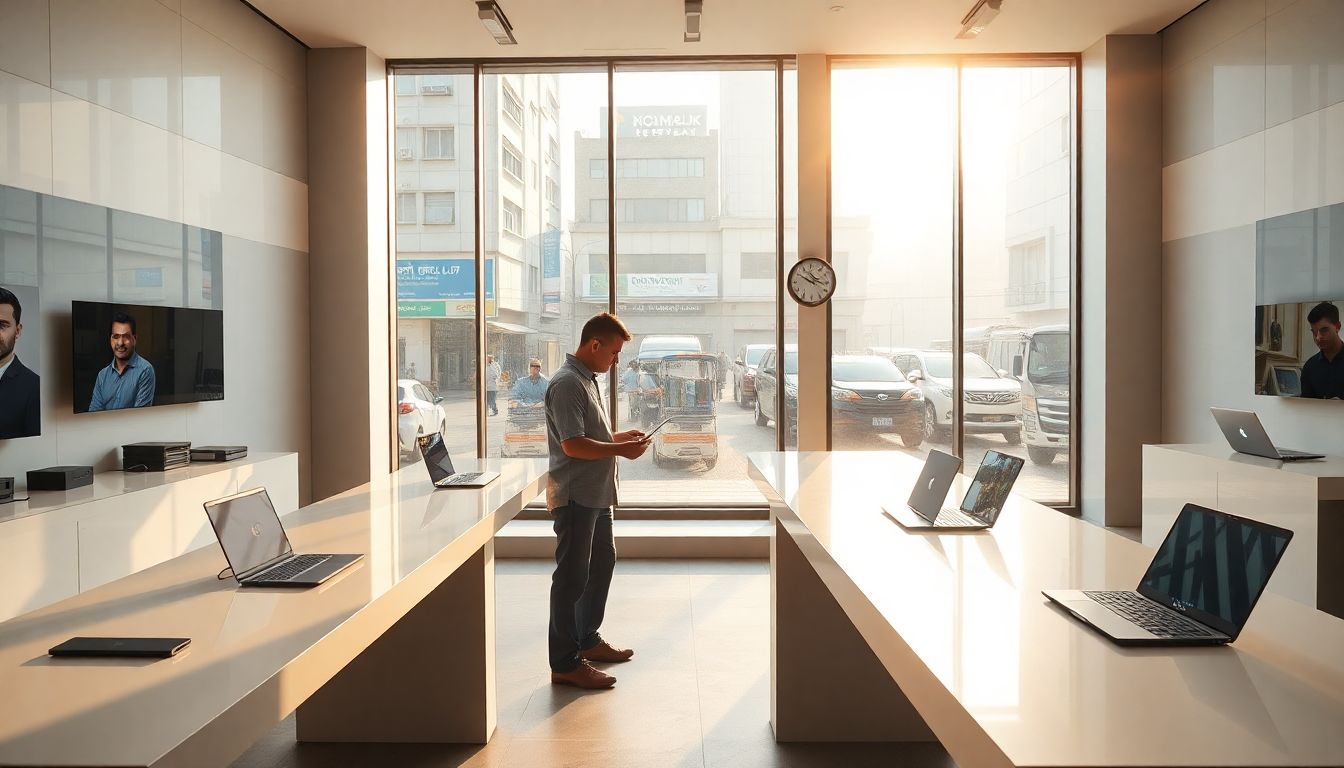
Mumbai consumers are facing higher prices and fewer product choices for smartphones and laptops as a severe shortage of memory chips, driven by the massive computing demands of artificial intelligence (AI) servers, squeezes device manufacturers.
The shortage is driven by the rapid consumption of memory chips by AI servers powering services such as ChatGPT, Gemini, and Claude, making components harder and more expensive to source.
As a result of rising component costs, manufacturers are being forced to make difficult trade-offs. Companies must either absorb the higher costs and accept lower profit margins or pass the expenses directly to buyers. For local shoppers, this has already translated to price hikes, such as a device previously priced at ₹25,000 now costing ₹28,000. Additionally, manufacturers are trimming technical specifications, delaying product launches, or reducing the number of models they offer in the market.
The shortage is reshaping the global device market. Data from the International Data Corporation (IDC) shows that Apple and Samsung widened their lead in the global smartphone market during the second quarter of 2026.
Navkendar Singh, associate vice president at IDC, explained that companies with the deepest supply chains and strongest supplier relationships inevitably gain an advantage when critical technology components become scarce. Apple benefits from its massive scale and negotiating power, while Samsung is insulated because it manufactures many of its own components, including memory chips.
According to Singh, this supply-led disruption is unprecedented. Unlike previous semiconductor crunches or DRAM shortages, which were driven by fluctuations in consumer demand, this crisis is entirely supply-led. Singh estimates that the pressure on smartphones and personal computers is unlikely to ease before late 2027 or 2028.
While market analysts note that high prices and extraordinary profits typically encourage new investments and factory capacity over the long term, the immediate future remains highly uncertain. For now, Mumbai buyers must prepare to pay more for devices that may offer fewer features and choices.