Mumbai on alert as 3.93-metre high tide and heavy rain raise waterlogging fears
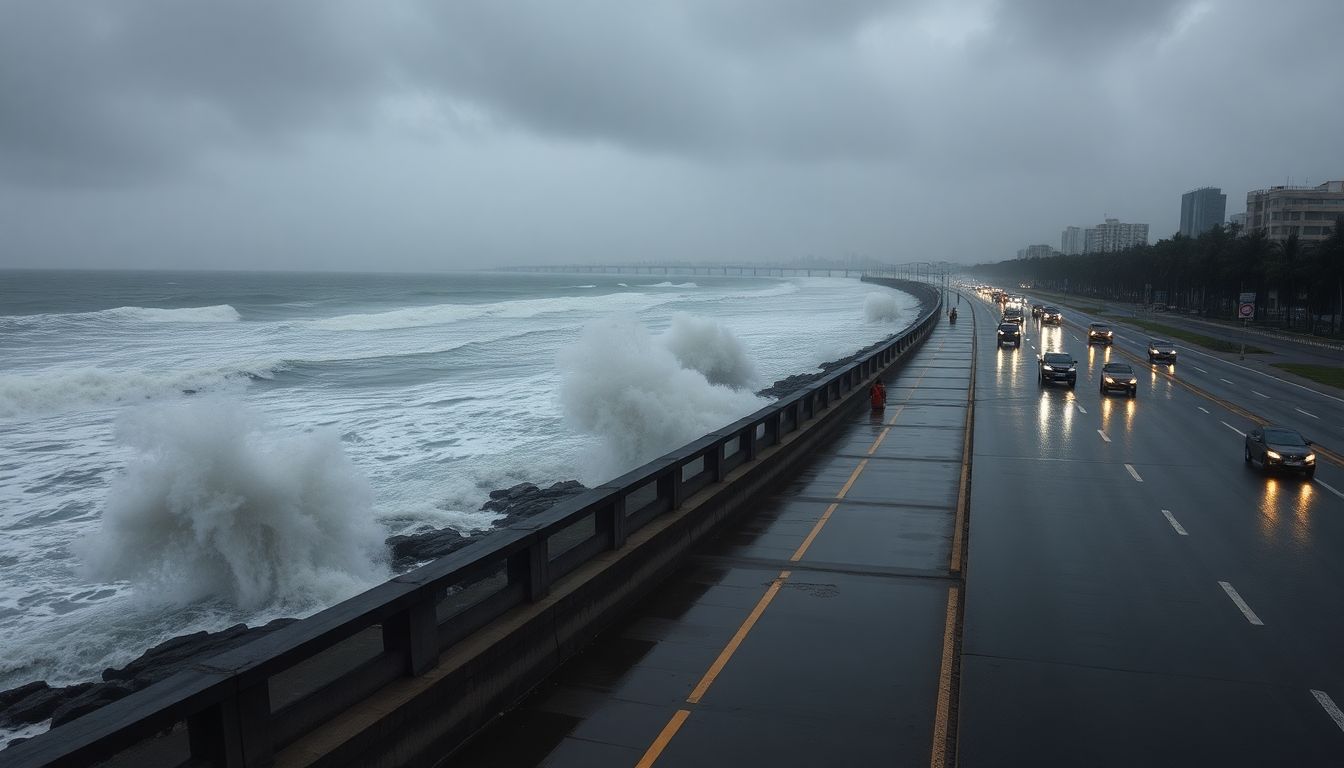
Mumbai was placed on alert on Tuesday as civic authorities and the India Meteorological Department warned of potential waterlogging due to a 3.93-metre high tide coinciding with an Orange Alert for heavy rainfall. The high tide was forecast to peak at 4:34 p.m. on Tuesday, raising major concerns that stormwater drainage could be severely hampered in low-lying areas of the city.
The India Meteorological Department (IMD) issued the Orange Alert for Mumbai and forecast intermittent spells of rain across the city and its suburbs throughout the day. Meteorologists warned that heavy to very heavy rainfall was likely to hit isolated places. Additionally, gusty winds reaching speeds of 60 to 70 kmph were expected to accompany the active monsoon conditions.
Although Mumbai residents woke up to cloudy skies, gusty winds, and only light drizzles on Tuesday morning after overnight rainfall subsided, authorities cautioned that the monsoon conditions remained highly active. The IMD advised citizens not to lower their guard, warning that isolated heavy showers and strong winds were highly likely to continue across the city.
According to the official tidal schedule, the afternoon high tide of 3.93 metres at 4:34 p.m. on Tuesday would be followed by a low tide of 1.43 metres at 11:02 p.m. On Wednesday, July 8, the next high tide was scheduled to reach 3.41 metres at 5:43 a.m., followed by a low tide of 2.14 metres at 11:07 a.m.
Civic authorities urged residents to remain extremely cautious during these high tide periods. The combination of high tides and heavy afternoon showers poses a significant risk of waterlogging, as the rising sea levels prevent municipal stormwater drains from effectively clearing water out of low-lying neighbourhoods.
On a positive note, the recent spell of heavy rainfall significantly improved Mumbai's drinking water reserves. The city's seven lakes, which supply drinking water to the metropolitan area, saw their levels rise to hold 28.92 per cent of their useful live storage capacity, providing a substantial boost to the city's water supply.