Mumbai Records Driest May in Three Years Despite Sunday Rain
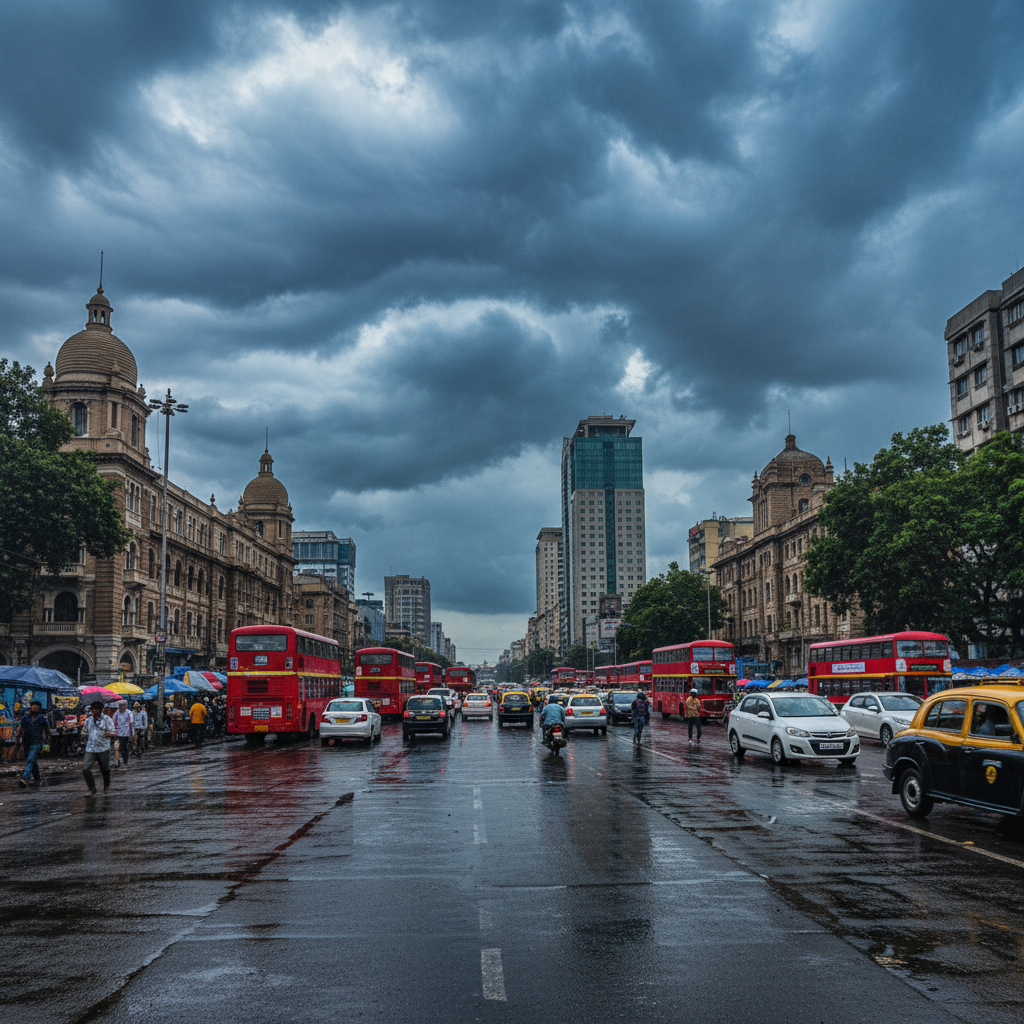
Moderate pre-monsoon rainfall lashed Andheri East and other parts of Mumbai on Sunday morning, May 31, but the city still recorded its driest May in three years. Despite the late showers bringing some relief, India Meteorological Department (IMD) data showed a major rain deficit for the city compared to previous years, even as other regions of Maharashtra experienced heavy rainfall.
The Sunday morning spell at the Santacruz observatory recorded 8.8 mm of rainfall, which constitutes the city's total rainfall for the entire month of May. Prior to this, the Santacruz and Colaba coastal stations had logged zero rainfall between May 1 and May 30, despite multiple heatwave alerts since March.
While some eastern suburbs, including Vikhroli, Kanjurmarg, and Mulund, experienced brief drizzles on May 22, the moisture was too minimal to be registered by standard measurement units, leaving official logs at "nil" until the final day of the month.
The dry spell marks a stark departure from the previous year, when Mumbai experienced its wettest May in 107 years. During that period, the Colaba observatory recorded 509 mm of rainfall, and the city experienced its earliest monsoon onset in 75 years on May 26.
According to IMD records, this is Mumbai’s driest May in the past three years. In May 2025, the Santacruz observatory logged 395 mm of rainfall, compared to 21.3 mm in May 2024, and 3.4 mm in May 2023. Additionally, the Santacruz station registered a 9.7 percent rainfall deficit between March and May, while the Colaba observatory recorded a 15.5 percent deficit.
Mumbai's dry conditions stood in contrast to other pockets of Maharashtra. Cities such as Pune, Kolhapur, and Satara received significant pre-monsoon precipitation, with each area recording over 100 mm of rainfall up to May 31.
This dry pre-monsoon phase comes as the IMD revised its nationwide monsoon forecast downwards to 90 percent of the long-period average, down from an earlier estimate of 92 percent. Meteorologists attribute this reduction to the development of El Niño conditions in the Pacific Ocean, which typically weaken southwest monsoon winds and lead to below-average rainfall in India.