NMMC to Lift 10% Water Cut in Navi Mumbai as Morbe Dam Level Reaches 93%
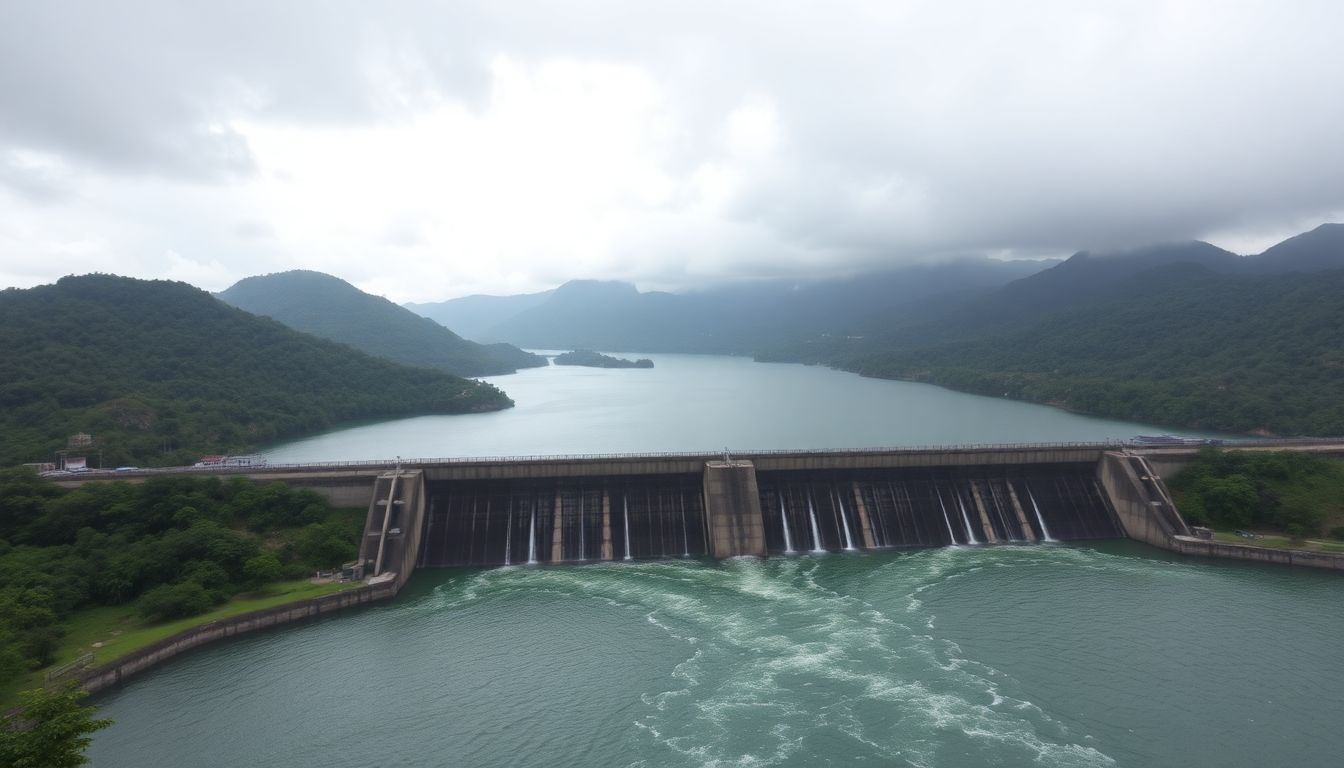
Navi Mumbai residents will receive regular water supply starting September 4, coinciding with Gokulashtami, after the Navi Mumbai Municipal Corporation (NMMC) decided to lift the ongoing 10% water cut following a significant rise in storage at Morbe dam. Storage levels in the reservoir, which serves as the city's primary drinking water source, have risen to 93% due to sustained monsoon rainfall.
Mayor Sujata Patil announced the civic body's decision on Wednesday during a review meeting held to assess preparations for the upcoming Ganeshotsav festival. She stated that the water restriction is being cancelled from Gokulashtami so that citizens, particularly women, do not face difficulties during the festive period.
The civic administration had initially enforced the 10% water reduction across Navi Mumbai on May 22. The measure was introduced in response to concerns over extreme heat, the El Niño phenomenon, and rapidly depleting water reserves. At that time, the usable stock in Morbe dam had dropped to 19.11%.
To manage the shortage and conserve available reserves, the civic body had also introduced rotational evening supply shutdowns twice a week across various nodes. Belapur and Vashi were assigned evening shutdowns on Mondays and Thursdays; Nerul and Koparkhairane on Tuesdays and Saturdays; Turbhe and Ghansoli on Wednesdays and Sundays; and Airoli on Fridays.
With sustained monsoon rain raising Morbe dam's storage to 93%, the NMMC is now set to restore normal supply schedules across the city from Gokulashtami. Because Morbe dam is the principal source of drinking water for Navi Mumbai, the recovery in storage is a crucial milestone ahead of festival season.
Despite the improved dam storage, Mayor Patil urged residents not to waste water or increase consumption simply because the restriction is being withdrawn. She also requested local Ganeshotsav mandals to use their public outreach to spread awareness about water conservation.