Only 17 Percent Of Colleges Accredited In India, Says NAAC Chairman Nageshwar Rao
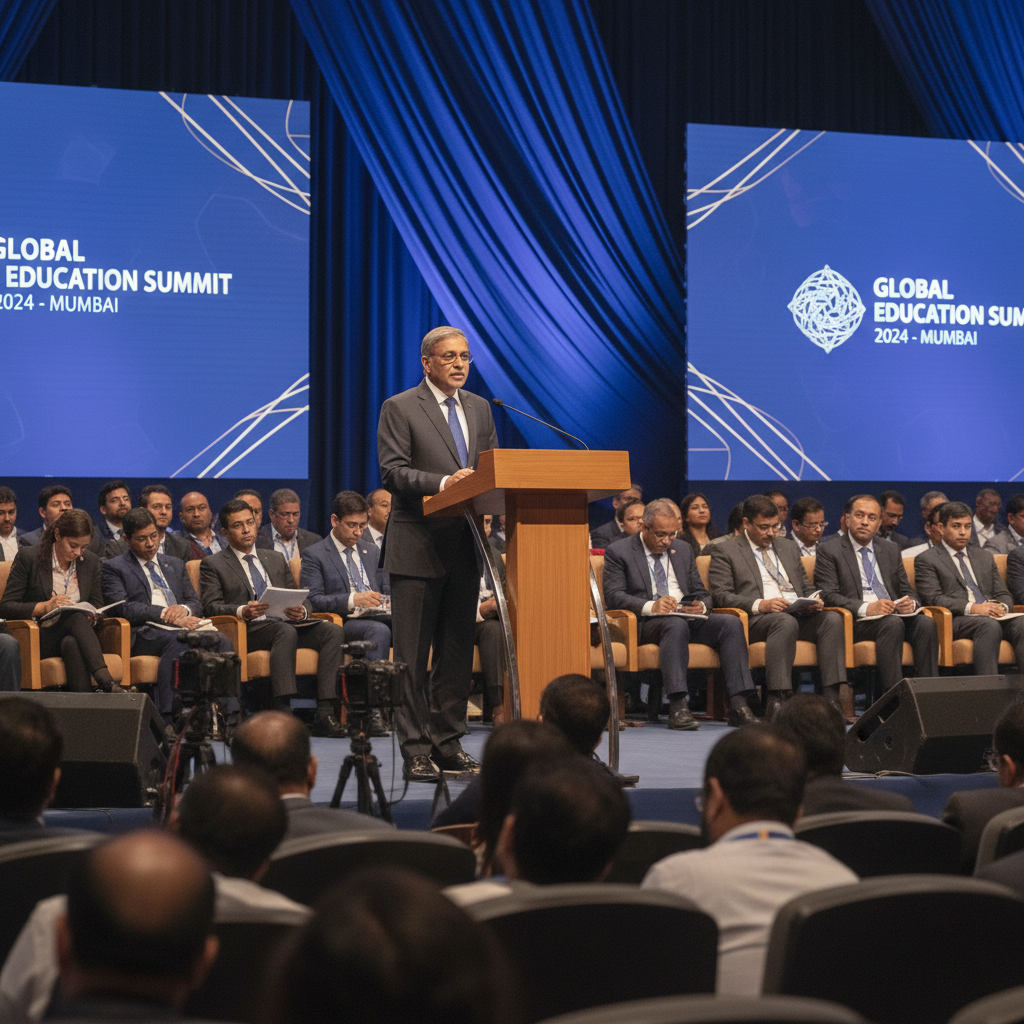
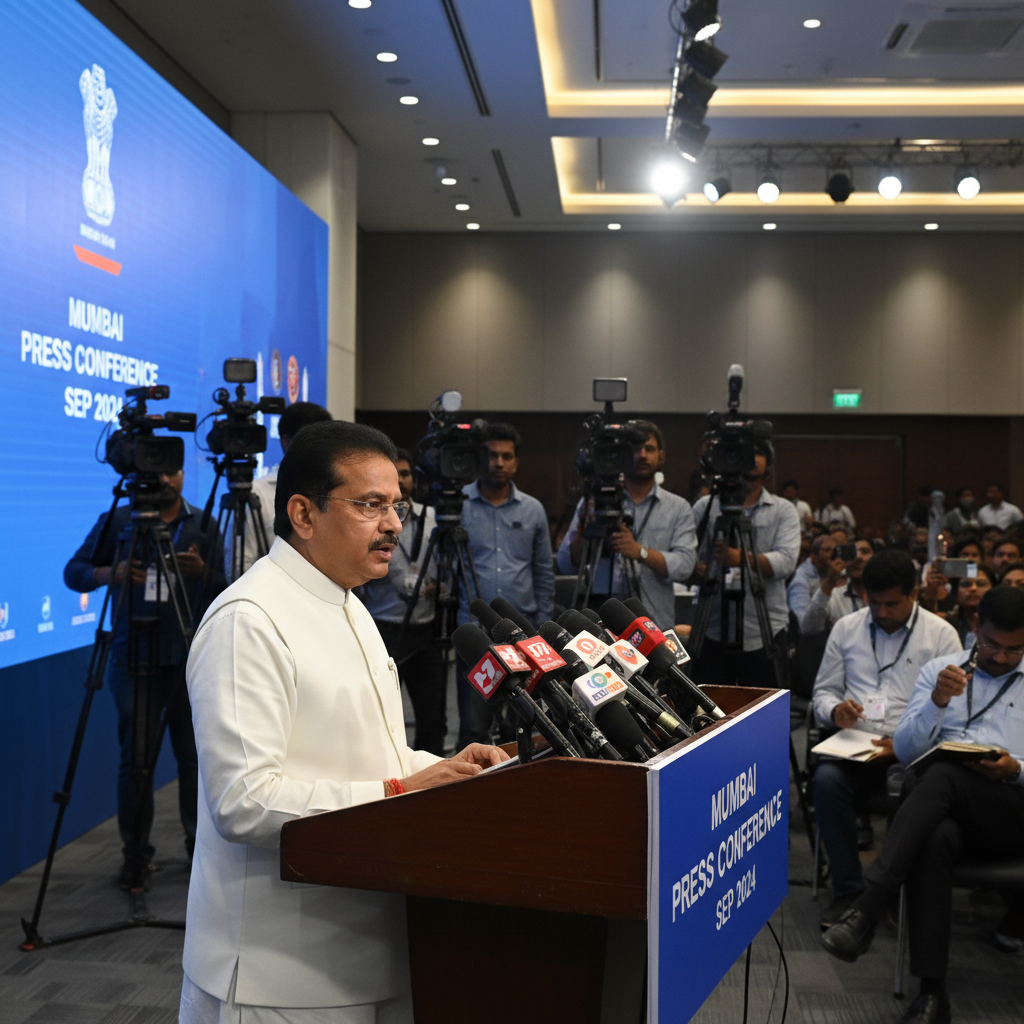
MUMBAI — Nageshwar Rao, the executive committee chairman of the National Assessment and Accreditation Council (NAAC), stated on June 5, 2026, that access and quality in higher education are deeply intertwined and must actively shape future policy and reform. Speaking in Mumbai, Rao addressed the ongoing challenges in national accreditation, noting that the council is working to resolve a nearly two-year pause in institutional grading.
According to Rao, the former vice-chancellor of Indira Gandhi National Open University, there is an urgent need to address the low participation rates in the accreditation process. He emphasized that expanding access to education cannot be separated from maintaining high quality.
Currently, India has more than 1,000 universities, but only about 44 percent of them have been accredited. The gap is even wider at the college level, where only about 17 percent of nearly 45,000 colleges hold valid accreditation. Rao warned that the very purpose of accreditation is defeated if only a fraction of institutions choose to participate.
The hesitation among institutions to seek accreditation stems from several factors. Rao indicated that many older colleges still view the process as a regulatory check rather than a collaborative exercise for quality improvement. He explained that once institutions are legally permitted to operate, they often do not see the need for further evaluation.
Practical barriers also prevent wider participation. Some institutions opt out after a single accreditation cycle due to fears of a possible downgrade. Others find the accreditation process cumbersome, language-heavy, or overly dependent on external assistance. Rao added that incentive schemes, such as linking funding to accreditation grades, have had a limited impact on expanding participation.
To address these issues, NAAC is developing a new framework built around basic binary accreditation and Maturity-Based Graded Levels. Rao admitted that the transition has been complex, driven by the need to align with global standards while staying rooted in the Indian context.