Rain and Technical Snag Delay Thane-Bound Trains and Metro Line 2A Services
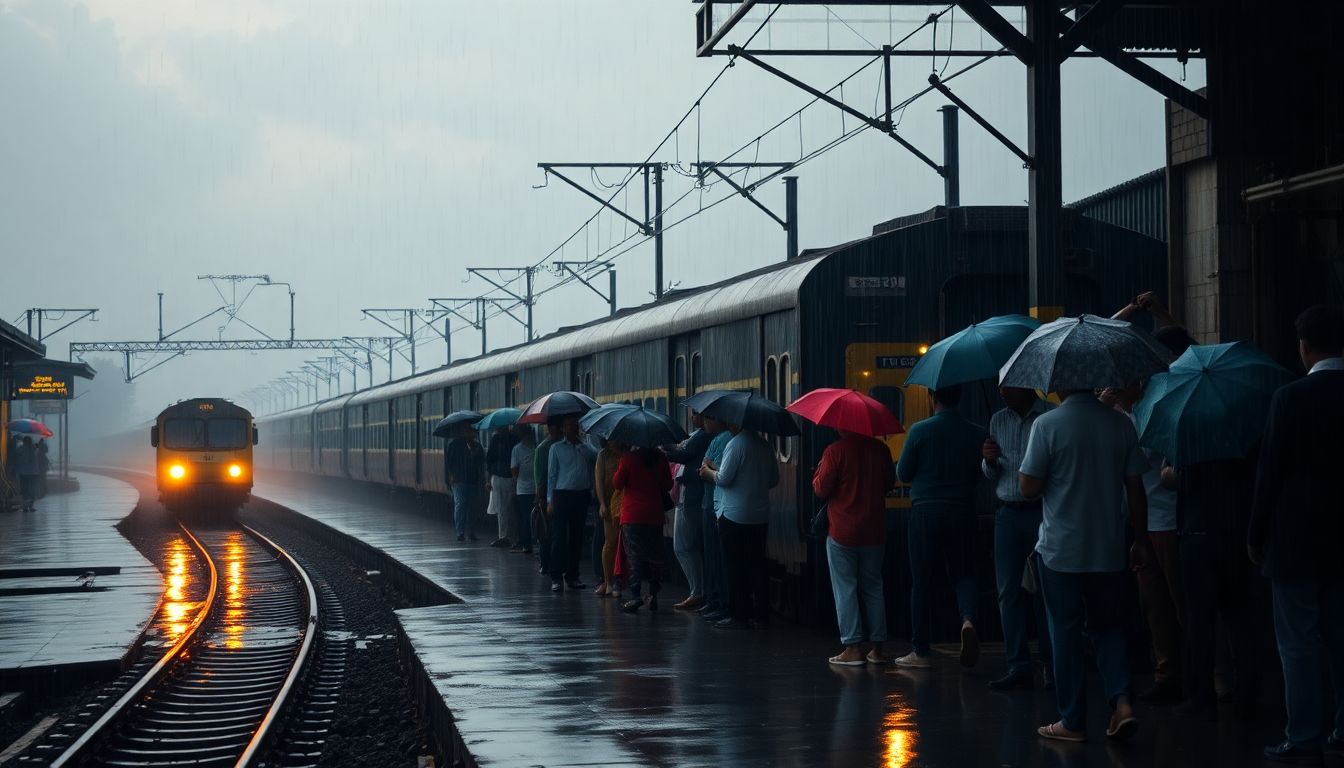
Heavy rains and a technical snag caused widespread disruptions across Mumbai's public transport network on Saturday, with commuters on the Central Railway's Thane-bound slow line experiencing significant delays.
Waterlogging on the Thane-bound slow line forced local trains to operate at restricted speeds as a precautionary measure. Additionally, poor visibility caused by the heavy downpour delayed Central Railway services by approximately 20 minutes, leading to longer waiting times for passengers at various stations.
The transit disruptions also extended to the city's metro network, where Metro Line 2A services were affected for over an hour. A technical snag developed at around 10:30 AM between the Dahisar East and Kandarpada stations. According to Maha Mumbai Metro, services along the corridor were not suspended entirely, and trains continued to run, though commuters faced altered schedules and longer waits.
While metro services between Andheri West and Dahanukarwadi managed to run normally, trains between Dahanukarwadi and Dahisar East had to be operated on a single-line bi-directional system. Under this temporary arrangement, trains in both directions were forced to run on a single track under regulated movement. This single-track operation resulted in longer waiting times for commuters. Technical teams were deployed to work on the issue and restore normal two-line operations at the earliest.
Meanwhile, the Western Railway network also faced rain-related delays on Saturday. Heavy waterlogging on the tracks between Nala Sopara and Virar slowed down the movement of local trains, causing suburban services to run 20 to 25 minutes behind schedule.
Despite the adverse weather conditions and localized waterlogging, suburban train services on both the Central and Western lines continued to run through the day. Operations were not completely suspended, as there was no major flooding on the tracks that would have forced a total halt to the train services, and tracks largely remained free of deep flooding.