127 Architects Urge Maharashtra CM, BMC to Protect Mumbai's Open Spaces
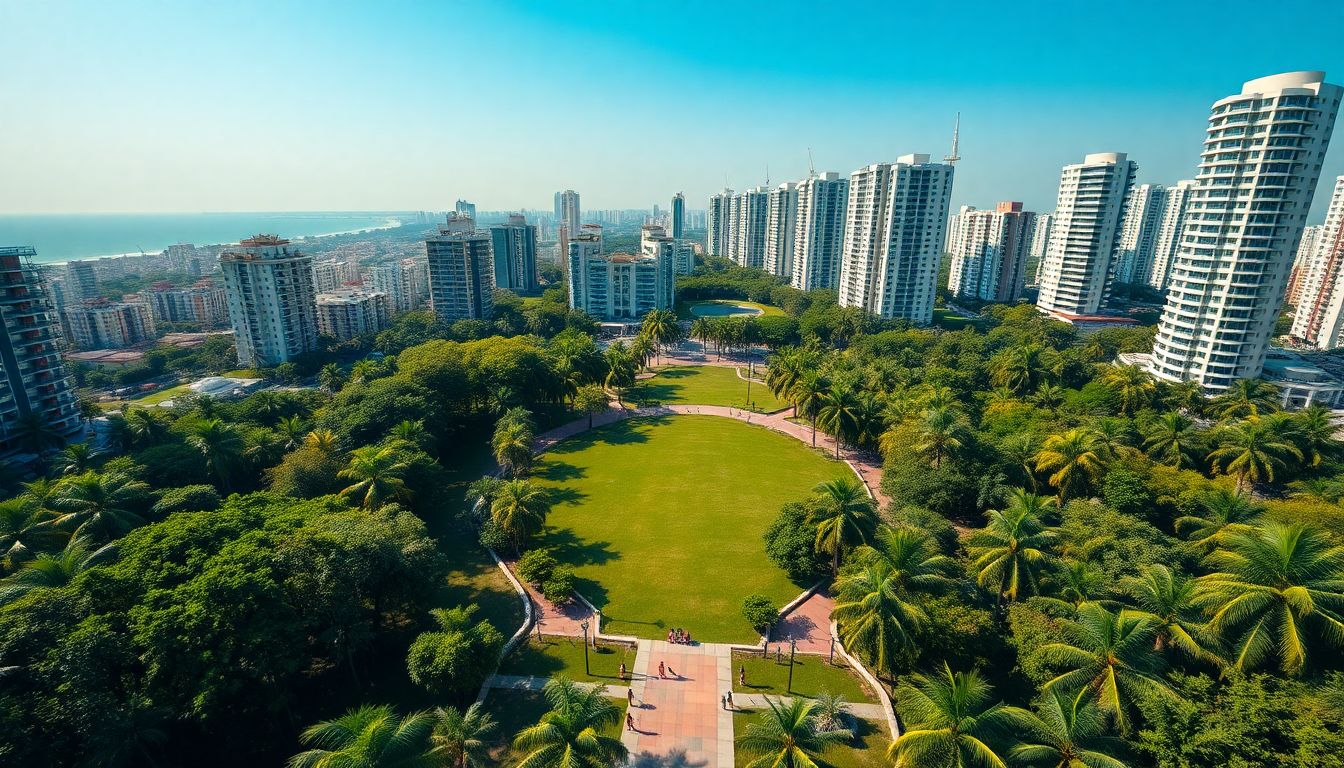
A collective of 127 architects, urban planners, and landscape designers under the Mumbai Architects Collective (MAC) submitted an appeal on Friday to Maharashtra Chief Minister Devendra Fadnavis and Brihanmumbai Municipal Corporation (BMC) Commissioner Ashwini Bhide, urging the state to protect Mumbai's remaining public lands and ecological assets. The group highlighted threats to landmark locations across the city, including the Mahalaxmi Racecourse, Patwardhan Park, Hanging Gardens, and open spaces along the Coastal Road.
In the letter, the collective expressed deep concern over a growing pattern of commercialisation and construction on public and environmentally sensitive land. The architects pointed to recent proposals to turn playgrounds into convention centres, construct underground parking lots beneath existing parks, redevelop BEST depots with large commercial components, and monetise open spaces along the Coastal Road.
The group highlighted Mumbai's severe deficit in green cover, noting that the city currently has only 1.58 square metres of public open space per person, compared to 31.68 square metres in London and 26.4 square metres in New York. They argued that parks, playgrounds, wetlands, mangroves, salt pans, and former dairies must be treated as essential public infrastructure rather than vacant land reserved for development.
According to MAC, natural ecosystems perform critical urban functions, including stormwater absorption, flood mitigation, and temperature regulation. The architects warned that losing these spaces would inflict long-term environmental and economic damage on the city, citing Bombay High Court observations regarding the economic value of ecosystem services provided by natural sites such as Sanjay Gandhi National Park.
The collective clarified that its appeal is not aimed at opposing development, housing, or transport infrastructure. Instead, it urged that future urban planning be guided by two principles: treating public land as a public trust rather than a resource for revenue generation, and ensuring that any increase in population density is strictly matched by proportional additions to public infrastructure and open spaces.
To ensure accountability, MAC requested that the BMC release an annual, ward-wise report detailing the creation of public infrastructure, including footpaths, parks, and civic amenities. Prominent signatories to the letter include architects Alan Abraham, Brinda Somaya, Rahul Kadri, Neera Adarkar, and PK Das, who have offered their professional expertise to assist the administration in planning a more resilient city.