Architect Moayyed Fatehi Urges Mumbai to Recycle Demolition Waste as Urban Mine
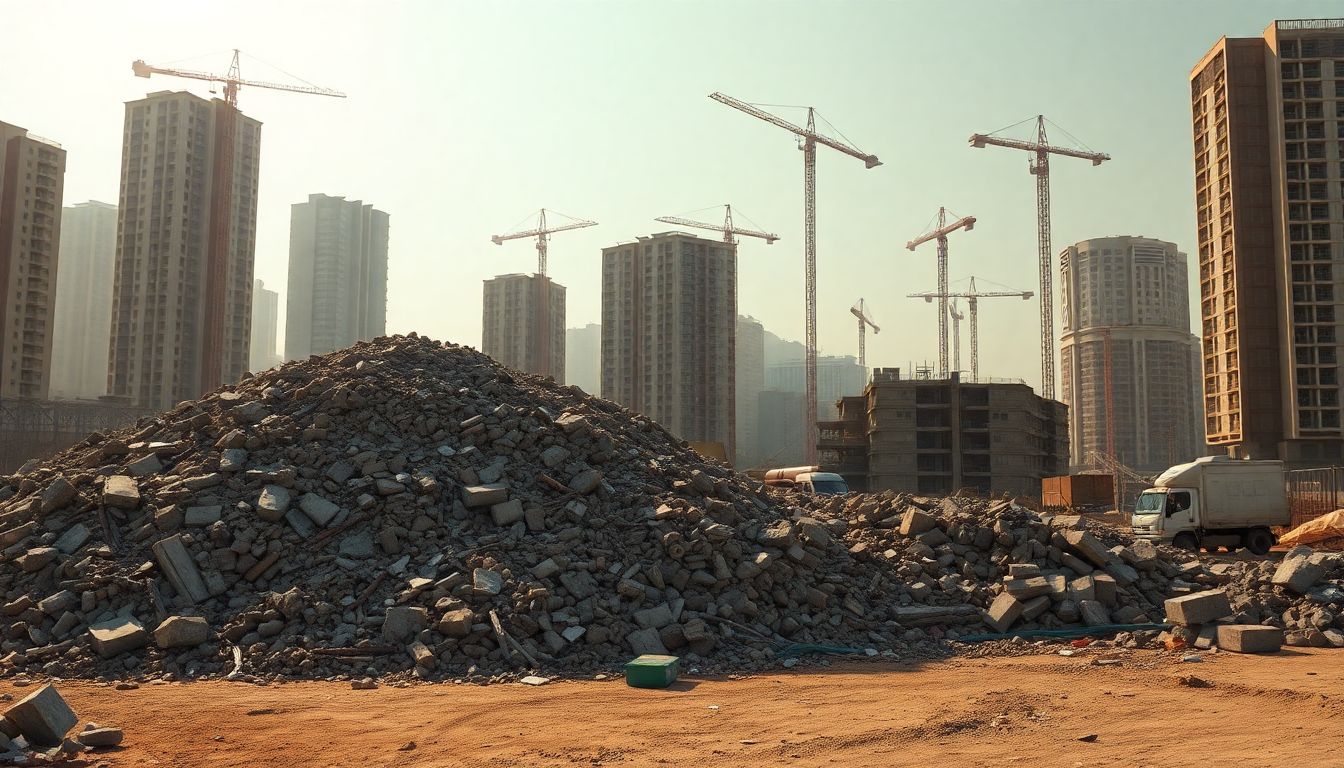
During Mumbai's ongoing redevelopment boom, architect and interior designer Moayyed Fatehi is advocating for construction and demolition waste to be treated as an "urban mine" to be recycled and reused, rather than discarded as debris. Fatehi estimates that the city has the potential to repurpose 70% to 80% of its construction waste, which would reduce dependence on virgin natural resources and preserve shrinking landfill space.
Mumbai is currently undergoing one of the country's largest redevelopment drives, spanning aging housing societies, Maharashtra Housing and Area Development Authority (MHADA) colonies, cessed buildings, and infrastructure projects. These projects generate massive amounts of debris. Fatehi argues that instead of disposing of this waste, the city should treat it as a valuable raw material for future construction.
According to Fatehi, establishing a sustainable circular economy requires materials from demolished buildings to return to the construction cycle. To achieve this, proper segregation at the source is critical. Organic, biodegradable, inorganic, and hazardous waste must be separated before recycling to prevent contamination and make material recovery efficient.
Several materials can be successfully repurposed. Concrete from demolished buildings can be crushed into recycled aggregates for structural fills, utility backfilling, and road construction. Broken brick masonry can be reused in landscaping, waterproofing beds, or processed to manufacture fresh bricks.
Metals such as structural steel, reinforcement bars, copper wiring, and aluminium can be recovered, melted, and recycled without losing their engineering properties. Wood waste can be converted into medium-density fibreboards, particle boards, and wood-cement composite panels for interior and exterior use, while discarded ceramic tiles can be repurposed as decorative china mosaic flooring.
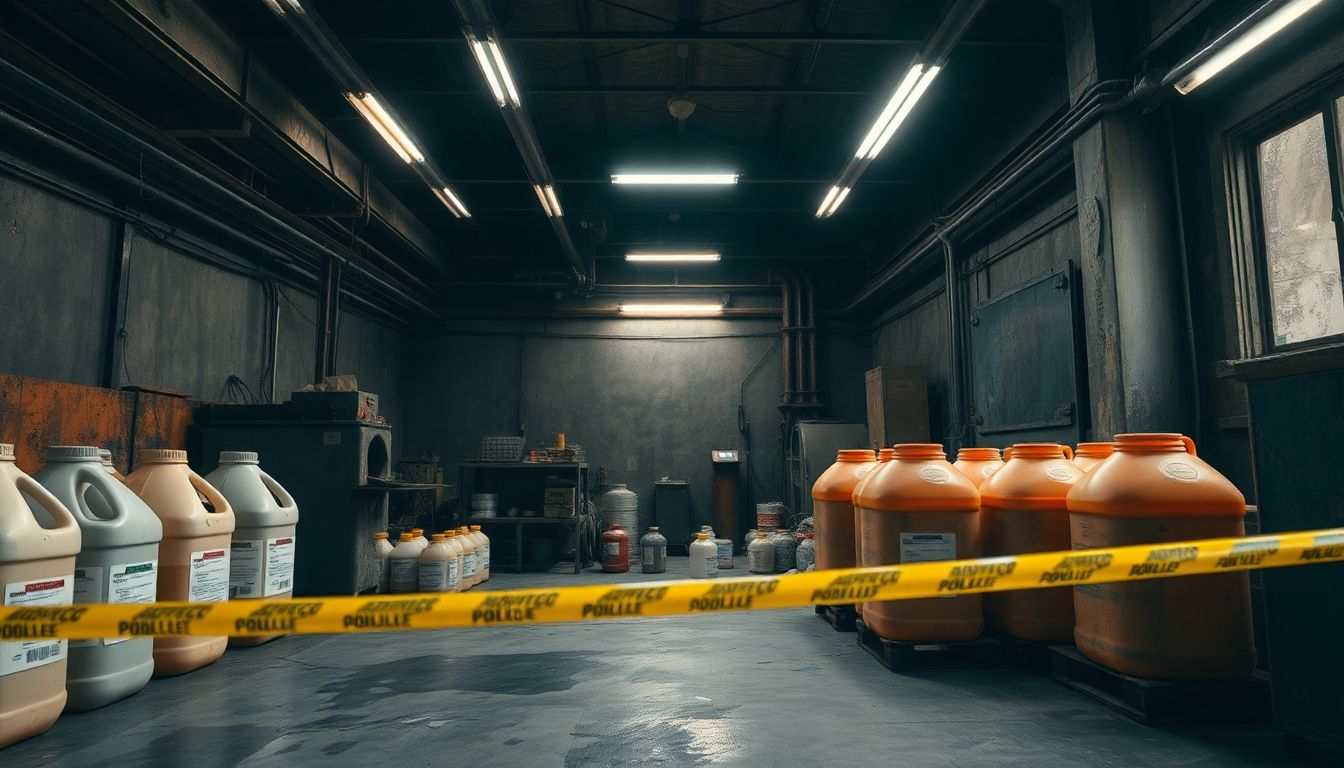
However, Fatehi notes that hazardous materials, including lead-based products, certain plastics, and chemically contaminated waste, require separate handling due to environmental risks. He also points to digital design tools and specialised computer software that now allow builders to incorporate recycled components into new projects while maintaining structural performance.