BMC Verification Finds 3,167 Registered Mumbai Hawkers Died Since 2014
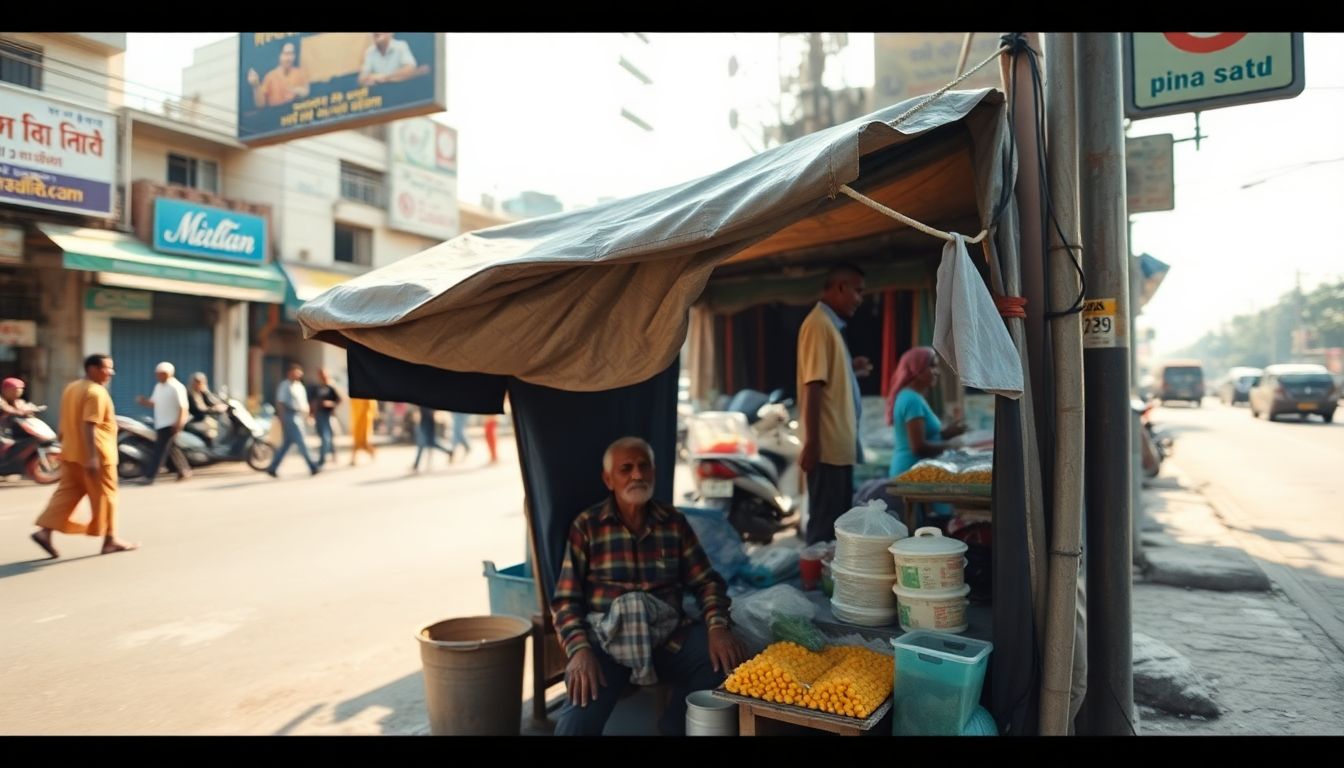
A fresh verification drive by the Brihanmumbai Municipal Corporation (BMC) across Mumbai, including key hawking hubs in Dadar, Colaba, Churchgate, and Goregaon, revealed that 3,167 street vendors identified as legal in a 2014 survey have died. The findings were presented to the civic body’s law committee last week as part of an ongoing drive to issue QR code-enabled identity cards to authorised hawkers.
The civic administration is now considering a policy to transfer vending licences to the eligible kin of the deceased vendors. The effort is part of a broader push to build a verified database of nearly 100,000 authorised street vendors and intensify action against illegal hawking across the city.
The BMC began issuing QR code-enabled identity cards in May this year to distinguish authorised hawkers from illegal vendors. All 99,345 vendors deemed eligible in the 2014 survey conducted under the Street Vendors Act were required to report to their respective ward offices to verify their credentials. So far, the civic body has issued around 48,000 QR code identity cards.
The highest number of verifications has been carried out in Dadar, followed by Colaba and Churchgate in South Mumbai and Goregaon in the western suburbs. During the verification process, civic officials cross-check each hawker's identity, survey number, and assigned vending location.
During this process, officials discovered that 3,167 vendors had passed away since the initial survey. Following the law committee meeting last week, members suggested framing a policy to transfer the licences to the deceased vendors' legal heirs.
"In many cases, the deceased vendors had not specified nominees who could inherit the licences. We have asked civic officials to formulate a standard operating procedure to identify and verify the immediate next of kin before transferring the licence," said Diksha Karkar, chairperson of the BMC’s law committee.
Civic officials noted that the QR code cards will allow the BMC and Mumbai Police to instantly verify a vendor's legal status on the ground, making it easier to curb unauthorized vending. The exercise is linked to the implementation of the city's long-pending hawkers' policy. Once verification is complete, the Town Vending Committee will allot designated vending pitches and hawking zones to regulate street trade and clear encroachments from public spaces.
Although a draft hawkers' policy was prepared in 2020, its rollout was delayed by the Covid-19 pandemic and the dissolution of the elected civic body in 2022, before work on the policy resumed earlier this year.